How to Choose Pressure Washer Detergents
Never mix bleach-based cleaners with acids or ammonia. Only combine chemicals when the product label specifically directs it.
Detergent families and where they shine
Different soils respond to different chemistries. Use this overview to narrow your selection, then confirm surface compatibility and dilution on the product label.
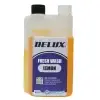
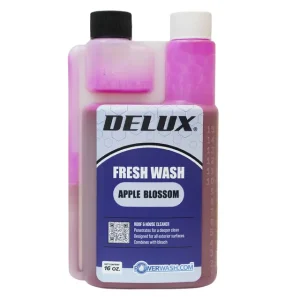
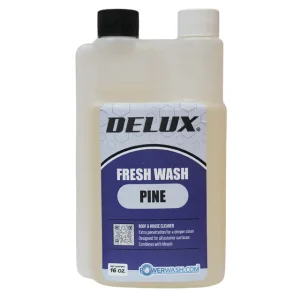
House & Siding Wash
- Targets organic stains like mildew and algae on exterior surfaces.
- Often paired with surfactants for better cling and coverage.
- Rinse metals and glass thoroughly after use.
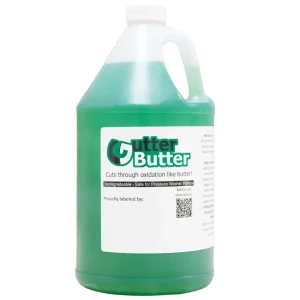
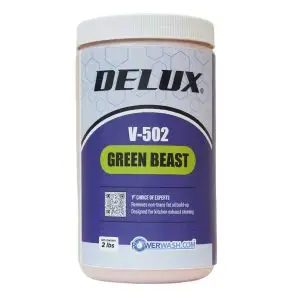
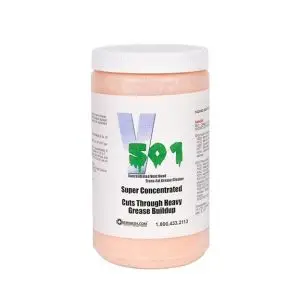
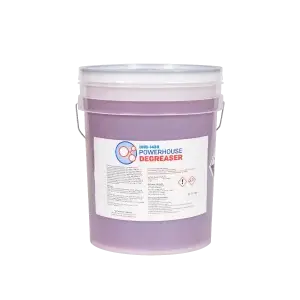
Heavy‑Duty Degreasers
- Formulated to break down oils, fats, and petroleum grime.
- Ideal for shop floors, engines, and stained concrete.
- Follow label directions and protect sensitive coatings.
Vehicle & Glass Safe
- Balanced formulas designed for clear coat, plastic trim, and glass.
- Helps loosen road film without etching delicate finishes.
- Apply with foam or low pressure; agitate gently, then rinse.
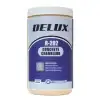
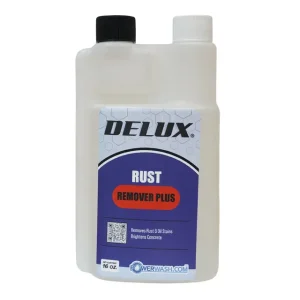
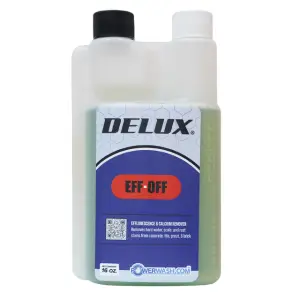
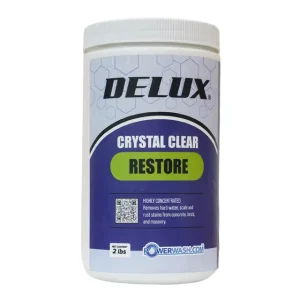
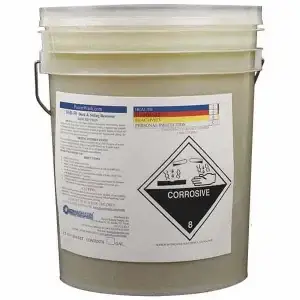
Mineral & Rust Removers
- Specialty acids target scale, efflorescence, and rust stains.
- Always test in an inconspicuous area and follow neutralization steps if directed.
- Keep away from bleach products and protect adjacent metals.
Match chemistry to the soil: alkaline products for oils and proteins; acidic products for mineral scale; balanced soaps for routine washdowns and delicate finishes.
Application methods
Apply detergents with low pressure, allow proper dwell time, then rinse thoroughly. Two common approaches are below.
Downstream Injection
- Introduces detergent after the pump to help protect pump seals.
- Requires a low‑pressure tip to draw chemical.
- Great for broad coverage on siding, masonry, and large paved areas.
Foamers & Dedicated Applicators
- Applies rich foam for longer dwell on vertical or delicate surfaces.
- Keeps strong oxidizers and specialty acids out of the high‑pressure pump.
- Easy dilution control for house wash, vehicle wash, and pre‑treatments.
Quick selection guide
| Job |
Detergent family |
Equipment notes |
| Mold or algae on vinyl or painted siding |
House & siding wash |
Apply low, rinse high; pre‑wet and post‑rinse nearby plants. |
| Grease on concrete or equipment |
Heavy‑duty degreaser |
Warm water boosts performance; agitate and rinse thoroughly. |
| Road film on vehicles |
Vehicle‑safe wash |
Use foam or soft brush; avoid high pressure on trim and badges. |
| Rust or mineral stains on masonry |
Mineral & rust remover |
Mask metals and glass; neutralize and rinse per label. |
Best practices
- Follow the product label for dilution, dwell time, and surface compatibility.
- Pre‑wet plants and delicate surfaces; rinse thoroughly after cleaning.
- Keep harsh chemicals out of the pump unless the product is specifically pump‑safe.
- Flush your system with clean water after detergent use to extend component life.
- Store chemicals sealed, away from heat and direct sunlight.
Need help choosing a detergent?
Tell us about your surfaces, soils, and equipment. Our team will recommend a safe, effective cleaner and the right way to apply it.
Talk to an Equipment Specialist