
Roof Washing Detergents
Brand
Price
- (1)
Product Grade
- (1)
- (1)
Showing all 3 resultsSorted by popularity
-
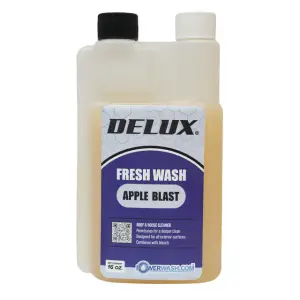
-
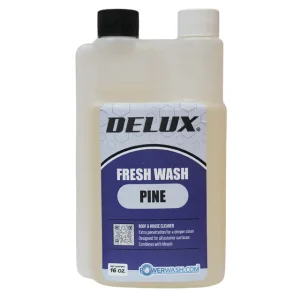
-
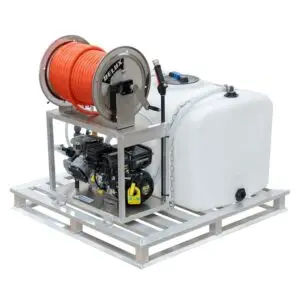
100 Gallon Tank Soft Wash Skid – Vanguard Engine, 11 gpm Pump, Aluminum Skid – Stallion Small Truck Batch
From $6,299.97
As low as $157.50/mo
Roof Washing Detergents: Professional Selection Guide
What roof washing detergents do
Roof washing detergents are formulated to loosen organic staining and soiling so you can clean effectively at low pressure. Sodium hypochlorite (SH) blends target algae and mildew; specialized surfactants improve cling and wetting; neutral or low-corrosion formulas help when sensitive metals are nearby. The goal is a controlled, label-driven soft wash that preserves the roof system while restoring appearance.
Never mix bleach-based products with acids, ammonia, or other cleaners. Follow each product’s label and SDS, use appropriate PPE, and ensure ventilation and runoff control.
Choose by roof and stain type
Asphalt shingles: algae/black streaks
Select an SH-based soft-wash detergent with a roof-grade surfactant. Apply at low pressure per label, manage dwell so the surface stays wet, avoid abrasive agitation, and thoroughly rinse nearby metals and gutters.
Concrete/clay tile or slate
Use a roof-safe detergent approved for mineral substrates. Control runoff on porous surfaces, pre-wet to reduce absorption, spot test in a discreet area, and rinse thoroughly to remove residues.
Painted or coated metal roofs
Favor neutral or low-corrosion detergents. If a label permits SH on the surface, keep contact time short and rinse trims, fasteners, and gutters immediately. Avoid prolonged contact with bare or reactive metals.
Landscaping‑heavy or sensitive sites
Combine your detergent choice with plant protection steps: pre‑wet, divert downspouts, use approved post‑rinses/neutralizers, and maintain continuous oversight of runoff. Consider peroxide- or surfactant‑forward options where labels allow.
Pre‑wet and continuously flush metals, gutters, and downspouts during cleaning, then perform a final fresh‑water rinse to reduce corrosion risk.
Application workflow
- Inspect roof type, age, and condition; plan access, fall protection, and runoff controls.
- Protect plants, surfaces, and fixtures under the eaves; pre‑wet vegetation and set up covers where appropriate.
- Mix and meter strictly per the product label; create a small test area to confirm results.
- Apply evenly with soft‑wash equipment at low pressure; maintain wet edges and avoid letting chemistry dry.
- Rinse per label guidance; manage foam and capture or divert discharge as required locally.
- Reevaluate persistent growth (e.g., lichen) and re‑treat per label after appropriate dwell intervals.
Detergent selection at a glance
| Roof Type | Primary Stain | Detergent Base | Notes |
|---|---|---|---|
| Asphalt shingles | Algae/black streaks | SH + surfactant | Low‑pressure soft wash per shingle‑maker guidance; protect plants and rinse metals. |
| Concrete or clay tile | Algae, lichens | Roof‑safe SH blend or tile‑specific cleaner | Control runoff on porous surfaces; thorough rinse to remove residues. |
| Painted/coated metal | Algae, mildew, grime | Neutral or low‑corrosion detergent | Limit SH contact; rinse fasteners, trims, and gutters immediately. |
| Slate | Algae, lichens | Label‑approved roof detergent | Spot test; avoid aggressive brushing; conservation‑minded methods recommended. |
Learning center
- Why Roof Cleaning Is Important
- How to Protect Plants and Shrubs When Soft Washing
- What Is the Best House Wash Mix for Soft Washing?
Need help choosing a roof washing detergent?
Tell us your roof type, staining, and equipment. We’ll recommend label‑appropriate chemistry, surfactants, and plant‑protection steps for a predictable, professional result.