Accessories

Outfit your pressure washer with the right accessories for better results, longer equipment life and safer operation. This parent category gathers the most-used add‑ons in one place so you can quickly route to the part or attachment you need. Browse popular subcategories below or use the selection notes to confirm compatibility with your machine’s PSI, GPM, temperature, and thread standards.

Featured Categories

Brand

Price

Brass Hose Barbs

Brush Length

Capacity

Camlock Size

Crank

Diameter

Dual Lance Wand Length

Fire Hose Length

Filter Size

Hose Capacity

Handle Length

Hose Length

Hose Type

Inlet

Inlet Size

Max Flow

Max Inlet Pressure

Max Temperature

Product Grade

Pump GPM

Whip Hose Length

Showing 1–20 of 930 resultsSorted by popularity
Pressure Washer Accessories: Selection and Compatibility Guide

What you’ll find in Accessories

  • Hoses, guns and wands to control and deliver flow
  • Nozzles and surface cleaners to shape and multiply cleaning power
  • Quick-connects, fittings, reels, filters and strainers to manage connections
  • Unloaders, regulators and gauges to set pressure and protect the system

Browse popular subcategories

Pressure Washer Hoses

  • Common I.D.: 1/4″, 3/8″ and 1/2″
  • Match pressure and temperature ratings to your unit

Browse Hoses

Spray Guns & Wands

  • Trigger style and lance length options
  • Choose stainless internals for harsher use

Browse Guns & Wands

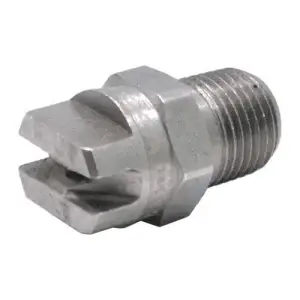
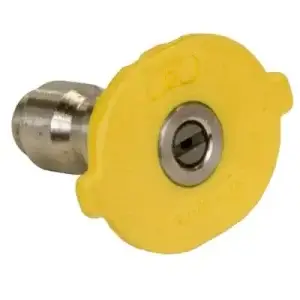
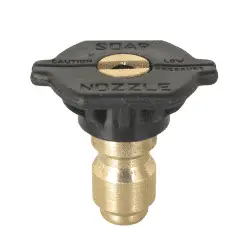
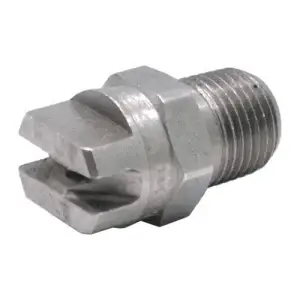
Nozzles & Tips

  • Pick spray angle and orifice to match PSI/GPM
  • Color-coded sets simplify quick changes

Browse Nozzles

Surface Cleaners

  • Rotating spray bars speed up flatwork
  • Confirm minimum flow for proper spin

Browse Surface Cleaners

More connection & control hardware

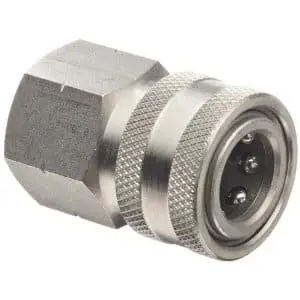
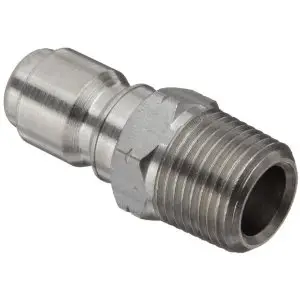
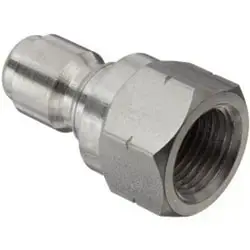
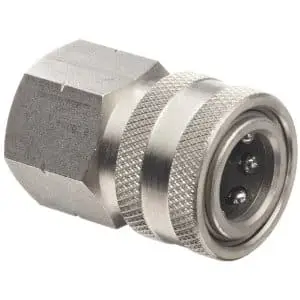
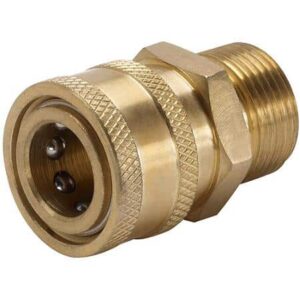
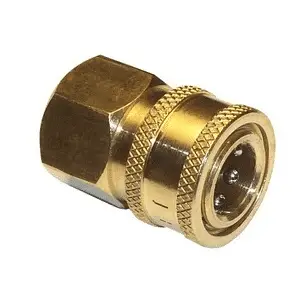
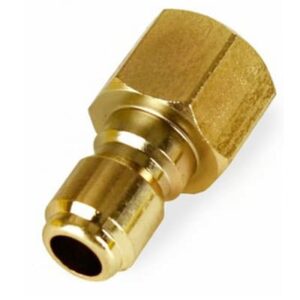
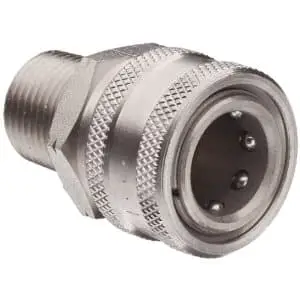
Quick-Connects & Fittings

  • 1/4″ and 3/8″ QC sizes are most common
  • M22, NPT and BSP threads—verify before you buy

Browse Fittings

Hose Reels

  • Hand-crank and spring-retract options
  • Check max PSI and temperature ratings

Browse Hose Reels

Filters & Strainers

  • Protect pumps from debris and scale
  • Choose mesh size for your water quality

Browse Filters

Unloaders & Regulators

  • Set system pressure and provide bypass
  • Size by GPM/PSI and plumbing style

Browse Unloaders

Equipment Selection Notes: Always match nozzle orifice to your washer’s GPM and PSI, verify thread standards (M22 14 mm vs 15 mm, NPT vs BSP), and pick hose I.D./length to minimize pressure drop on longer runs. When in doubt, bring your machine specs and we’ll help you size parts correctly.

Nozzle spray patterns at a glance

Spray angle Typical use
0° (red) Pinpoint removal of heavy deposits; use with extreme caution and test first.
15° (yellow) Heavy-duty cleaning on hard, durable surfaces like concrete and brick.
25° (green) General-purpose cleaning of decks, patios and walkways.
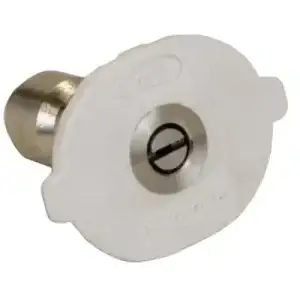
40° (white) Rinse and light-duty cleaning on painted or more delicate surfaces.
65° (black/soap) Low-pressure application of detergents; wide fan for coverage.

Quick troubleshooting checks

  • Low pressure? Confirm nozzle orifice matches your GPM/PSI and inspect for wear.
  • Surface cleaner not spinning? Verify minimum GPM, clean or replace nozzles, and check swivel maintenance.
  • Pulsing or rapid cycling? Inspect the unloader for debris or misadjustment and confirm bypass plumbing is clear.
  • Leaks at M22 connections? Confirm 14 mm vs 15 mm stem size; mismatches will thread but won’t seal.

Keep learning

Not sure which accessory fits your machine?

Our team sizes nozzles, hoses, fittings and unloaders every day. Share your washer’s make, model, PSI, GPM and how you plan to use it, and we’ll recommend compatible options.

Talk to an Equipment Specialist

Accessories FAQ's

Yes, both are common. Stainless offers higher wear and corrosion resistance; brass is economical and widely used. In wet or coastal environments, stainless typically holds up longer.
Both share 22 mm threads, but the stem/seal diameter differs (14 mm vs 15 mm). They can thread together but won’t seal correctly—match the size your machine specifies.
Common causes are low GPM, clogged or worn nozzles, incorrect tip sizes on the spray bar, or a dry/dirty swivel. Confirm the cleaner’s minimum flow and maintain the swivel per the maker’s guidance.
An unloader valve sets system pressure and diverts flow to bypass when the trigger is released. Avoid extended bypass time because recirculating water heats quickly and can damage seals.
Higher‑flow or longer‑run systems typically benefit from 3/8″ I.D. hose to reduce pressure drop. Always verify the hose’s max PSI and temperature ratings against your machine.
Match the orifice to your washer’s GPM and PSI using a sizing chart or calculator. Undersized tips raise pressure and strain the pump; oversized tips reduce pressure and cleaning efficiency.
Most setups start with a high‑pressure hose, a spray gun and wand, a set of color‑coded nozzles, and basic quick‑connect fittings. Add a surface cleaner for faster flatwork and a simple inlet filter to protect the pump.
Home Backup - 2-2-24
Special Offer
PowerWash Prime Membership