
Electric Residential Pressure Washers
Brand
Price
- (6)
- (3)
- (1)
Mobility Type
- (1)
Product Grade
- (1)
- (1)
Washer Power
- (1)
Showing all 10 resultsSorted by popularity
-
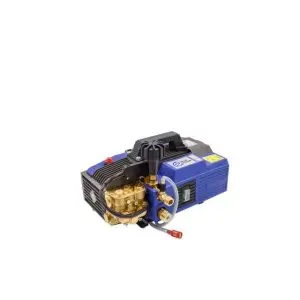
AR Blue Clean AR630 2HP 1900 PSI Electric Pressure Washer with TSS
$1,296.97
As low as $32.42/mo -
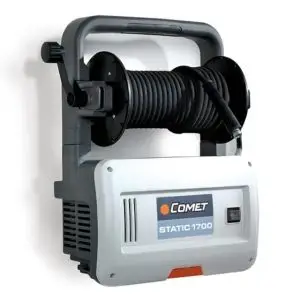
Comet Static 1700 Wall mounted pressure washer
$1,137.47
As low as $28.44/mo -
-
-
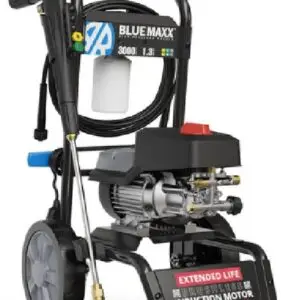
-
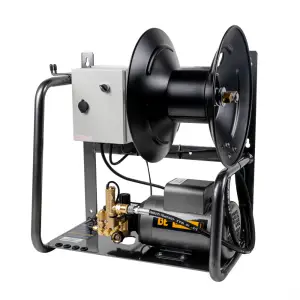
Wall Mounted ELEC 1500 PSI 2 GPM
$2,326.97
As low as $58.17/mo -
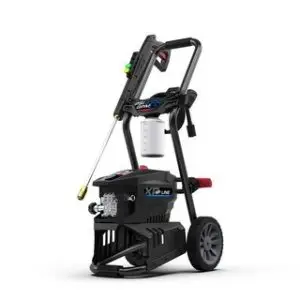
-
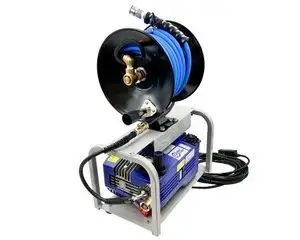
AR Blue Clean Pro, AR610-PRO, Pressure Washer & Mount Kit
$1,720.47
As low as $43.01/mo -

-
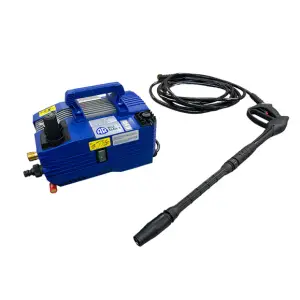
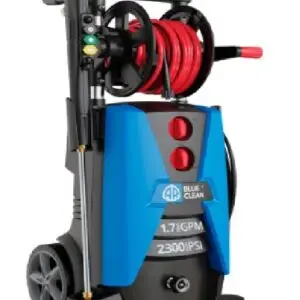
Electric Residential Pressure Washers: How to Choose the Right Home Unit
Why choose electric for home use
- Quiet, low-vibration operation that’s neighborhood-friendly.
- No exhaust at the point of use and no fuel to store; just plug in and clean.
- Simplified upkeep compared to small gasoline engines.
- Great for vehicles, patio furniture, decks, pavers, and light siding cleanups.
Match the machine to the job. Higher pressure helps break grime, while water flow (GPM) speeds rinsing. For most homes, a balanced mix of both feels faster and more forgiving.
Key specs to compare
| Spec | What it means | Home-use guidance |
|---|---|---|
| PSI | Force that helps lift and break soil from the surface. | Choose enough pressure for your toughest surface, then control with nozzle angle and distance. |
| GPM | Water volume that moves soil and detergents off the surface. | More flow generally cleans faster and leaves fewer streaks on flatwork. |
| Power | Most residential units plug into standard household circuits. | Use a properly rated, GFCI-protected outlet. Check the nameplate for circuit requirements. |
| Hose & Cord | Reach to move around vehicles and patios without frequent repositioning. | Longer hoses reduce moving the unit. If an extension cord is unavoidable, keep it short and heavy-gauge. |
| Nozzles & Soap | Tips set spray angle; detergents loosen soils before rinsing. | Start with wider tips on delicate surfaces. Use only detergents labeled for pressure washers. |
Popular home projects and quick recommendations
Vehicles & Outdoor Furniture
Gentle cleaning with wide-angle spray and quality car-safe detergents.
- Use a 40° tip or foam application, then rinse.
- Keep extra distance on clear coats and cushions; test first.
Decks & Fences
Lift mildew and weathering without scarring wood grain.
- Pre-treat with a compatible cleaner; rinse with a wide fan tip.
- Work with the grain and maintain steady movement.
Patio Pavers & Walkways
Clear dirt and light algae on concrete and pavers.
- Higher flow helps reduce streaks; consider a small surface cleaner.
- For oil stains, pre-treat and allow dwell time before rinsing.
House Siding & Screens
Wash siding, soffits, and screens with a gentle approach.
- Apply cleaner from the bottom up; rinse from the top down.
- Avoid forcing water behind siding or into window seals.
Setup and safe operation
- Connect garden hose and open the spigot fully; check inlet screen for debris.
- Attach the high-pressure hose and a wide-angle nozzle.
- Plug into a GFCI-protected outlet; unwind the full cord and hose.
- Prime by squeezing the trigger until a steady stream flows, then power on.
- Test on an inconspicuous area and increase intensity only as needed.
Avoid light-duty extension cords. If one is necessary, use a short, heavy-gauge outdoor cord and keep all connections dry and elevated.
Maintenance basics
- Rinse detergent from the system after each use.
- Clean the inlet filter and inspect O-rings on quick-connects.
- Store the unit drained and protected from freezing; use pump saver before long storage.
- The Benefits and Drawbacks of Electric Pressure Washers
- Pressure Wash Maintenance
- Winter Storage of Pressure Washers
Accessories that expand capability
Boost results with the right add-ons: surface cleaners for patios and drives, foamers for vehicles, and quick-connect nozzle kits for precise control.
Shop Pressure Washer Accessories · Surface Cleaners · Nozzles & Tips
Need help picking an electric residential pressure washer?
Tell us about your surfaces, power availability, and accessories you want to use. Our team will recommend a balanced setup that fits your home and budget.