Soft Wash Equipment Buyer’s Guide
What Is Soft Washing?
Soft washing applies cleaning chemistry at low pressure to remove organic growth and atmospheric grime from sensitive surfaces such as asphalt shingles, tile roofs, vinyl siding, painted wood, and EIFS. Instead of relying on high PSI, the method depends on proper chemistry, dwell time, and a controlled rinse.
Match your mix, flow, and reach to the surface. Keep pressure low, let chemistry work, and rinse thoroughly to protect coatings and landscaping.
Start With the Job
| Surface |
Common Soiling |
Preferred Approach |
| Asphalt shingle roofs |
Gloeocapsa magma, moss, lichen |
Low-pressure application of roof-safe chemistry, allow dwell, then gentle rinse. |
| Tile or metal roofs |
Algae, mildew, atmospheric fallout |
Apply soft wash mix, protect coatings and fasteners, rinse thoroughly. |
| Vinyl or painted siding |
Algae film, dirt, spider webs |
Apply siding-safe mix, brush trouble spots if needed, rinse from bottom up then top down. |
| Stucco/EIFS |
Organic staining, soot |
Use mild mix and low agitation; avoid forcing water into seams; controlled rinse. |
| Composite decking & fences |
Organic growth, oxidation |
Test a small area, apply mild chemistry, rinse to preserve finishes. |
Choose Your System
12V Diaphragm Systems
Popular for startups and dedicated crews. Compact, quiet, and simple to service. Pair with chemical-rated hose, a blend manifold, and a battery management routine.
Gas-Powered Diaphragm Systems
Built for higher production and long hose runs. Durable pumps and frames handle demanding schedules when paired with proper rinsing and maintenance.
Air-Driven Diaphragm Systems
Smooth, controllable flow powered by an air compressor. A strong choice where electric power is limited on the rig or spark mitigation is preferred.
Turnkey Skids & Rigs
Pre-plumbed systems with dedicated tanks, reels, proportioners, and rinse circuits. Speed up setup and standardize results across multiple crews.
Essential Components
- Proportioner or blend module to meter water, sodium hypochlorite, and surfactant consistently.
- Chemical-rated hose and reels; keep chemical and rinse lines separate for speed and reliability.
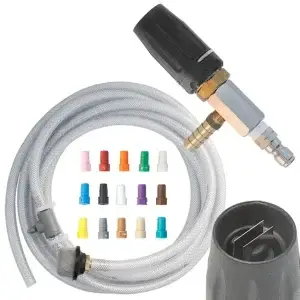
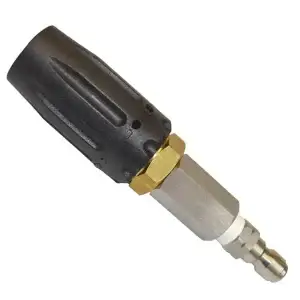
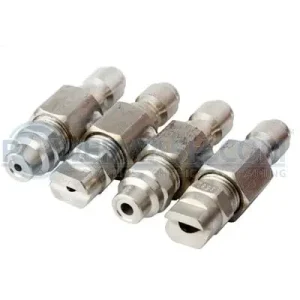
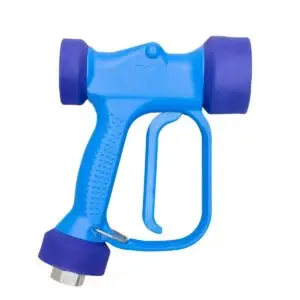
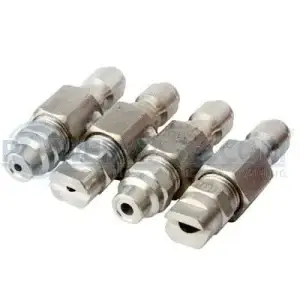
- Low-pressure spray guns, wands, and nozzles sized for controlled application and reach.
- Dedicated tanks with secure lids and ventilation appropriate for the chemistry in use.
- Clear labeling and hose color-coding to prevent cross-connection errors on the job.
- Personal protective equipment and a plant/fixture protection plan for every site.
Mixing & Application Basics
Always follow chemical labels and local regulations. Start with the mildest effective solution, apply evenly, allow dwell, and rinse thoroughly. On oxidized or delicate coatings, reduce contact time and agitation. Keep pump internals and guns flushed with fresh water after each job to extend service life.
Never mix incompatible chemicals, and never store sealed containers or tanks in direct sun or high heat. Test a small, inconspicuous area before treating the full surface.
Maintenance That Protects Your Investment
- Fresh-water rinse pumps, hoses, guns, and reels at the end of every shift.
- Inspect valves, diaphragms, seals, and hose jackets regularly; replace at the first sign of wear.
- Keep electrical connections clean and batteries charged/secured on 12V systems.
- Stock common wear parts and rebuild kits to minimize downtime.
Learn More
Build the Right Soft Wash Rig
From pumps and proportioners to hoses, reels, tanks, and nozzles, we can help you configure a system that matches your mix, surfaces, and production goals.
Talk to an Equipment Specialist