How to Choose Kitchen Exhaust Cleaning Accessories
Kitchen exhaust systems collect grease across the hood, filters, ducts, fan, and roof. The right accessories help you access every surface, control runoff, and leave clear documentation after service. Use this guide to match accessories to each component of the system and to plan what your crew needs on the truck.
What you’ll find in this category
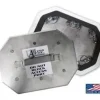
- Upblast fan hinge kits and hold-open hardware
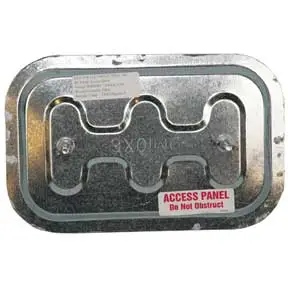
- Duct access doors and cleanout ports
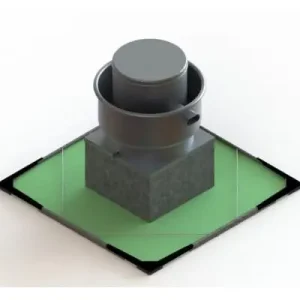
- Roof grease containment systems and absorbent media
- Listed baffle filters and filter handling tools
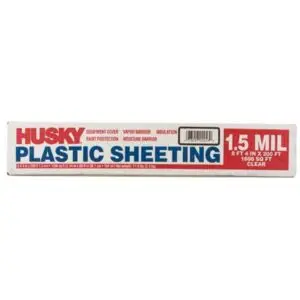
- Hood wrap, sheeting, magnets, and runoff control
- Scrapers, brushes, wands, and inspection tools
- Service tags, checklists, and other documentation aids
Match accessories to the system component
Hood & Filters
Keep grease at the source under control and ensure the hood can be opened, wrapped, and drained safely.
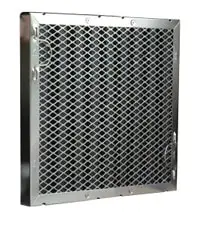
- Listed baffle filters (mesh filters are generally not acceptable as a primary grease filter)
- Filter lifters, racks, and drip trays
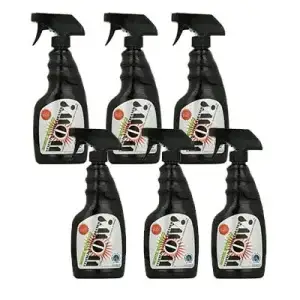
- Hood wrap, tape, and magnets for splash control
Duct Access
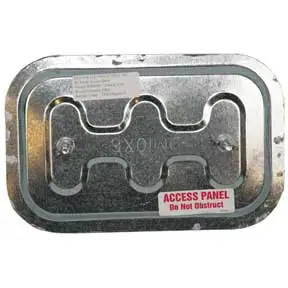
Access panels and cleanouts are essential so the entire duct run can be inspected and cleaned.
- UL-appropriate access doors sized to your duct
- High-temp gaskets and fasteners
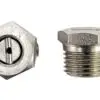
- Inspection ports and plugs
Fan & Roof Protection
Upblast fans must be opened safely and roof surfaces protected from discharge and wash water.
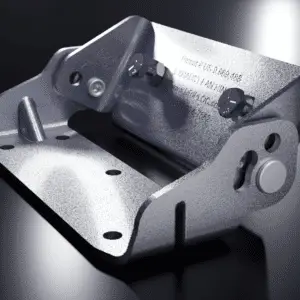
- Upblast fan hinge kits with hold-open features
- Grease containment systems and absorbent pillows
- Flexible, weather-resistant cable guards
Tools & Documentation
Speed up removal and verification, then leave clear records for the AHJ and your customer.
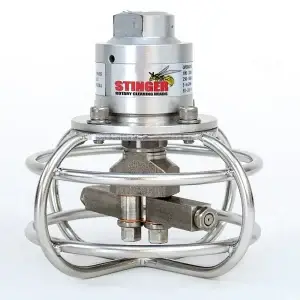
- Scrapers, brushes, and nozzle/wand accessories
- Lighting, mirrors, borescopes, and thickness gauges
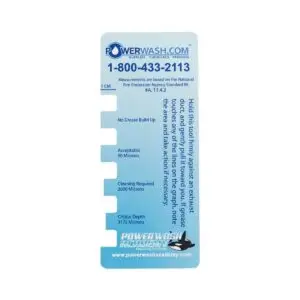
- Service tags and written-report templates
Coordinate with your Authority Having Jurisdiction (AHJ). Codes are widely adopted, but local amendments and enforcement practices vary. When in doubt, ask before you install.
Sizing and selection notes
| Component |
What to measure |
Selection notes |
| Upblast fan hinge kit |
Fan base size, curb style, total fan weight, wiring/flex length |
Choose hinge hardware rated for your fan size and add a hold-open feature; protect electrical with flexible, weather-resistant whip. |
| Duct access doors |
Duct width/height, wall/ceiling thickness, access spacing |
Select doors sized for tools and nozzle access. Place where needed to reach all interior surfaces and changes of direction. |
| Roof grease containment |
Fan outlet orientation, expected discharge volume, roof type |
Use compatible housings and absorbents. Replace media as needed to prevent runoff and roof damage. |
| Baffle filters |
Filter slot size, quantity, material preference |
Use listed, rigid metal baffle filters. Install with baffles oriented correctly and keep spares for rotation during cleaning. |
Safety and best practices for KEC crews
- Lock out fuel/electric as required; protect fire system components from overspray and restore to service after cleaning.
- Prevent slips and roof damage with proper containment, pads, and absorbents.
- Verify access to every hood, duct, riser, and fan section before starting.
- Neutralize and rinse residues thoroughly; keep wastewater out of storm drains per local rules.
- Leave a dated service tag and a written report that identifies what was cleaned and any inaccessible areas.
Learn more
Need help selecting accessories?
Tell us about your hood style, fan model, and duct layout. Our team will help you match hinge kits, access panels, and roof grease control to your setup.
Talk to an Equipment Specialist