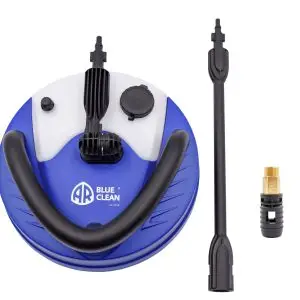
Surface Cleaners & Accessories: Selection and Setup Guide
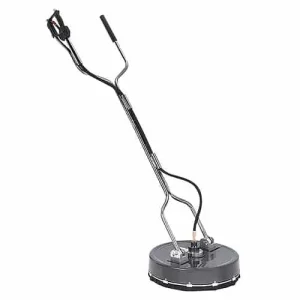
Choosing the right surface cleaner and keeping the correct small parts on hand can dramatically improve speed and consistency on driveways, sidewalks, shop floors, and paver patios. Use this guide to match tools to your pressure washer, avoid swirl marks, and simplify maintenance.
Quick picks by job and feature
Compact decks for tight spaces
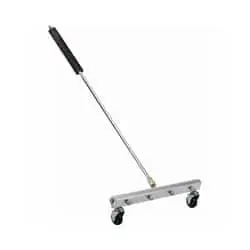
Choose a smaller deck to maneuver around steps, narrow walks, and obstacles. Works well with mid-output machines and for transport in smaller vehicles.
- Easy control on uneven areas
- Good for residential touch-ups
- Packs light for mobile crews
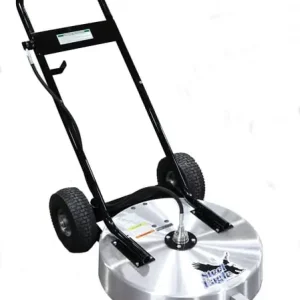
Large decks for productivity
Wider decks cover more ground with each pass on parking lots and long sidewalks. Best when your pressure washer provides ample flow.
- Fewer passes on big flatwork
- Ideal for commercial routes
- Plan for higher flow demand
Hot‑water rated models
Select units built with high‑temp seals and components when pairing with hot‑water machines. Helpful on oil, grease, and kitchen or shop soils.
- Check maximum temperature rating
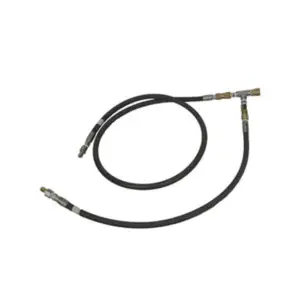
- Use high‑temp hoses and seals
- Monitor skirt wear with heat
Specialty features
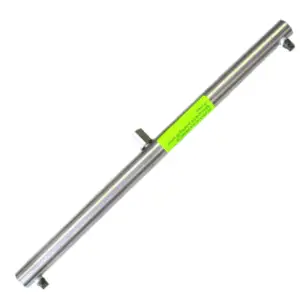
Look for edge-cleaning handles, vacuum‑recovery ports, splash guards, and adjustable spray bars to match specific workflows and site rules.
- Vac ports for recovery systems
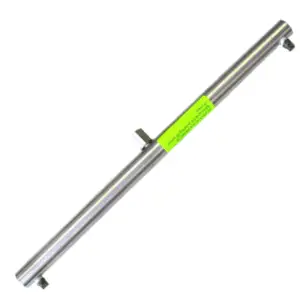
- Changeable nozzles and bars
- Skirts to contain overspray
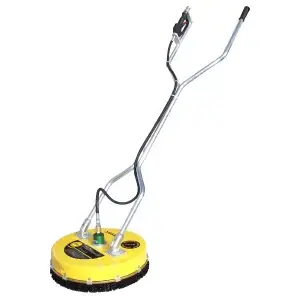
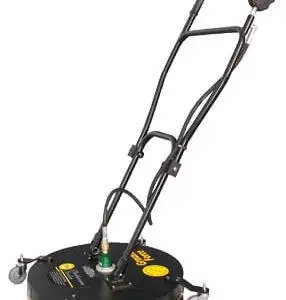
Hover/brush skirt designs
Float on a cushion with a brush or skirt that helps contain water and debris. Simple, low‑maintenance, and easy to guide along edges.
- Great control near walls
- Fewer moving parts
- Mind skirt wear over time
Wheeled/castered designs
Roll on casters for consistent height and reduced operator fatigue on large, open areas. Helpful when maintaining long, straight passes.
- Consistent bar height
- Smoother tracking on lots
- Check caster bearings
Match your pressure washer before you buy
- Confirm the tool’s rated pressure and flow match your machine; undersizing slows rotation while oversizing can streak or strain components.
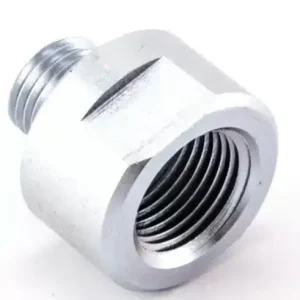
- Verify connection type: common setups use quick‑connects at the gun or 3/8 in hose ends with appropriate adapters.
- Choose hot‑water compatible models if you run heated units; verify maximum temperature and seal materials.
- Size nozzle orifices for your machine’s output; replace worn or mismatched tips in pairs for even rotation.
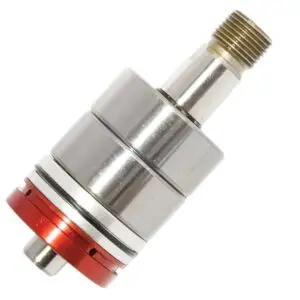
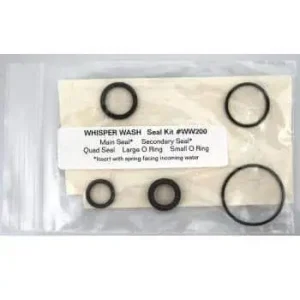
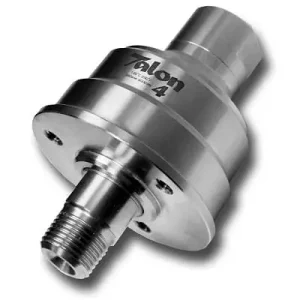
- Check swivel design and serviceability; rebuild kits keep a favorite tool working season after season.
- Consider splash control and recovery: skirts, guards, and vacuum ports reduce overspray and help meet site requirements.
Keep a labeled spare set of surface‑cleaner nozzles and fresh O‑rings in your rig. Swapping tips at the first sign of streaks or slow rotation saves jobs and callbacks.
Accessories that make a difference
| Accessory |
What it does |
When to choose it |
| Replacement nozzles (matched pair) |
Restores even rotation and cleaning width. |
Visible stripes, uneven spray, or worn tips. |
| Swivel rebuild kit |
Refreshes bearings and seals to stop leaks. |
Drips at the hub, rough rotation, or noise. |
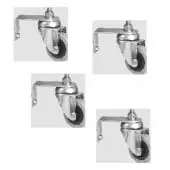
| Casters and hardware |
Smoother tracking and stable deck height. |
Dragging deck, wobble, or flat‑spotted wheels. |
| Skirts and splash guards |
Contain overspray and debris for cleaner edges. |
Windy sites, near storefronts, or paver joints. |
| Inline water filter |
Protects nozzles and swivel from grit. |
Working from tanks or suspect water sources. |
| Vacuum‑recovery kit |
Captures wash water for compliant cleanup. |
Regulated sites and indoor/food‑adjacent work. |
Setup and operation basics
- Inspect and clear both nozzles; match orifices and angles.
- Confirm hose routing and gun trigger lock operate freely.
- Start on a small, inconspicuous area to verify rotation and pattern.
- Walk at a steady pace with slight overlaps to avoid missed lines.
- Keep the deck level; avoid tipping that concentrates spray at an edge.
- Rinse edges and transition zones to blend passes.
- After use, flush with clean water and spin the bar briefly off the ground to shed debris.
Always test delicate or aged surfaces first. High pressure close to the surface can etch concrete, lift joint sand, or disturb weak coatings.
Troubleshooting at a glance
| Symptom |
Likely cause |
Quick fix |
| Swirls or stripes |
Dirty/worn tips, bar too low, or walking too fast. |
Clean/replace tips, verify bar height, slow your pace. |
| Poor rotation |
Flow too low, clogged nozzle, or swivel drag. |
Clear filters, match tips to flow, service swivel. |
| Water leaks at hub |
Worn seals or bearings. |
Install a rebuild kit and verify alignment. |
| Heavy overspray |
Damaged skirt or missing guard. |
Replace skirt/guard; adjust pace near edges. |
| Uneven cleaning width |
Mismatched orifices or one clogged tip. |
Replace as a matched pair; keep a spare set on the rig. |
Learn more from the PowerWash.com team
Need help sizing a surface cleaner or picking accessories?
Our equipment specialists can help you match deck size, nozzles, and swivels to your machine and the flatwork you clean most.
Talk to an Equipment Specialist