Pressure Washer Attachments: Buyer’s Guide
Quick start: identify your task, then confirm the attachment’s PSI, GPM and temperature ratings, plus the connection type (M22, 3/8 in. quick-connect, or 1/4 in. quick-connect).
What counts as an attachment?
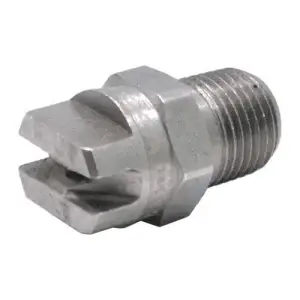
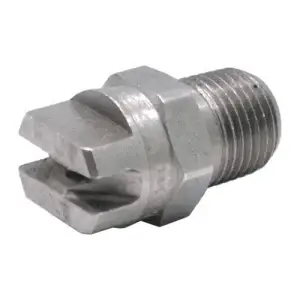
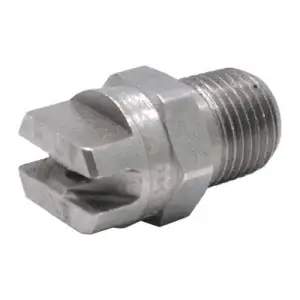
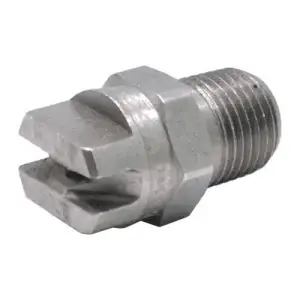
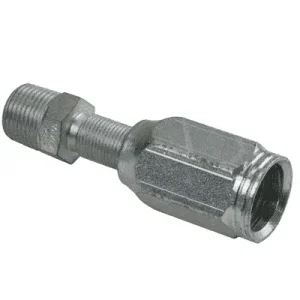
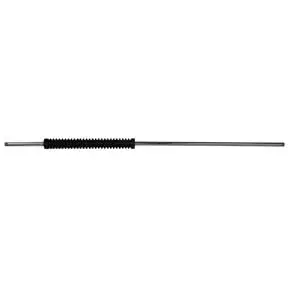
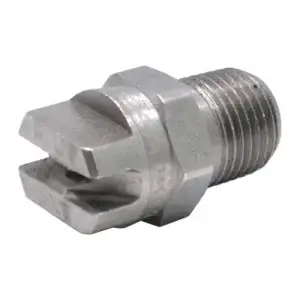
Attachments include quick-change spray tips, turbo/rotary nozzles, foam cannons, downstream injectors, surface cleaners, undercarriage and water-broom tools, gutter cleaners, extension and telescoping wands, swivels, ball valves, and adapter fittings. The right choice lets you clean faster with better control and less fatigue.
Pick the right attachment for the job
Flatwork and large areas
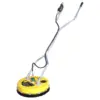
- Surface cleaners speed up concrete, pavers and other hard flat surfaces.
- Match deck size and nozzle setup to your machine’s flow (GPM) so the spray bar spins freely.
- Choose hot‑water‑rated models for oily or greasy work when using a hot water machine.
Detail cleaning and stain removal
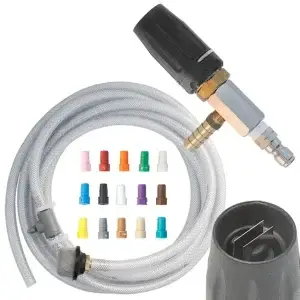
- Turbo/rotary nozzles deliver a rotating pin jet for stubborn deposits on hard surfaces.
- For delicate areas, start with wider fan tips and increase aggressiveness only as needed.
- Wet sandblast kits can remove rust or paint; use proper PPE and follow all instructions.
Apply soaps and coatings
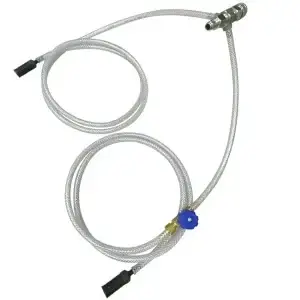
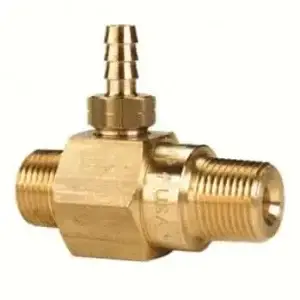
- Use foam cannons and downstream injectors with detergents labeled for pressure washers.
- Select orifices sized for your GPM to ensure rich foam and stable draw.
- Rinse thoroughly after application to protect surfaces and equipment.
Reach, control and ergonomics
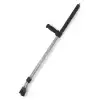
- Telescoping wands and gutter cleaners tackle high or awkward areas from the ground.
- Swivels and ball valves speed hose changes and reduce kinks.
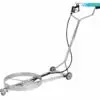
- Underbody/undercarriage tools make fast work of fleet and chassis cleaning.
Nozzle angles and common uses
| Fan angle |
Typical use |
Notes |
| 0° (red) |
Pinpoint removal on hard, unpainted surfaces |
Highest impact; avoid on wood, siding and soft materials |
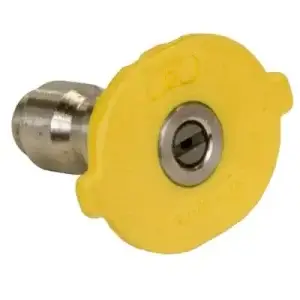
| 15° (yellow) |
Heavy-duty cleaning of concrete or metal |
Test first; keep the tip moving |
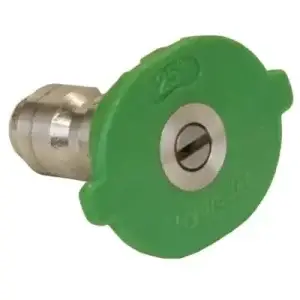
| 25° (green) |
General cleaning and prep |
Often the everyday choice |
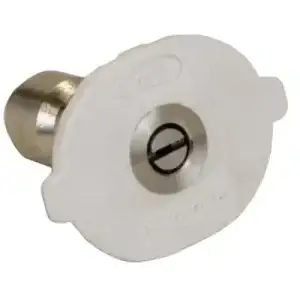
| 40° (white) |
Rinsing and delicate surfaces |
Lower impact, wider coverage |
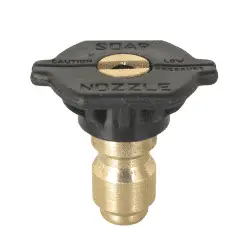
| 65° (black) |
Soap application (low pressure) |
Used with downstream injection |
Fit and compatibility checklist
- Confirm maximum pressure (PSI), flow (GPM), and temperature ratings on both the attachment and your machine.
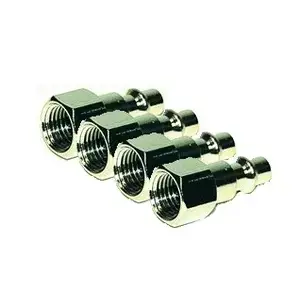
- Match connection types: 1/4 in. quick‑connect for most spray tips and small accessories; 3/8 in. quick‑connect or M22 threads are common at the hose and gun.
- For surface cleaners, choose a deck size and nozzle set that your GPM can drive; incorrect nozzle sizing restricts flow or prevents rotation.
- Check chemical compatibility when applying detergents or acids; use components designed for chemical exposure.
- Replace worn O‑rings and filters/screens to stop leaks and prevent clogs.
Never exceed the rated PSI, GPM, or temperature of any attachment. Overloading can cause premature wear, leaks, loss of control, or injury.
Troubleshooting attachment performance
- Pulsing or weak cleaning: verify nozzle size, inspect for clogs, and confirm adequate water supply.
- Surface cleaner not spinning: check swivel condition and lubrication per the manual, confirm nozzle sizing and available GPM.
- Foam cannon not foaming: use proper detergent dilution, clean the mesh filter, and select the correct orifice for your GPM.
- Leaks at couplers: replace O‑rings and confirm matching quick‑connect sizes and thread types.
Learn more in the PowerWash Learning Center
Need help matching attachments to your machine?
Our specialists can help you choose attachments that fit your PSI, GPM and workflow so you clean faster with less downtime.
Talk to an Equipment Specialist