
Graffiti Removers for Pressure Washing
Brand
Price
- (2)
- (6)
Showing all 8 resultsSorted by popularity
-
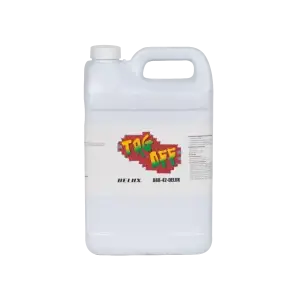
Tag Off Graffiti Remover
From $508.97 -
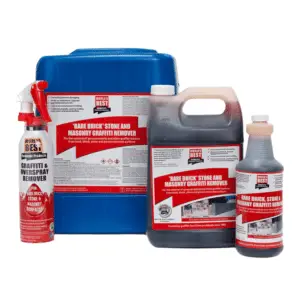
-
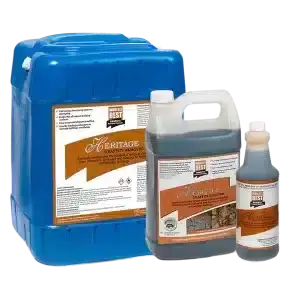
-
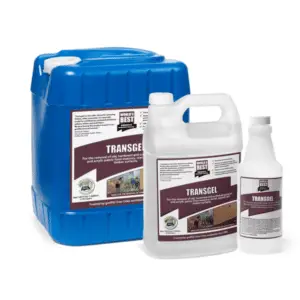
-
-
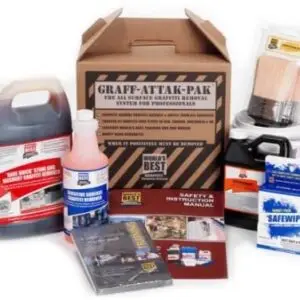
World’s Best Graff-Attak-Pak
$199.95 -
-
Graffiti Removers for Pressure Washing: How to Choose and Use
Match the remover to the surface and media
Smooth, non‑porous surfaces (metal, glass, glazed tile)
Use solvent or gel graffiti removers that cling to verticals and soften spray paints and markers. Agitate with a non‑scratch pad, then rinse at the lowest effective pressure to avoid marring or forcing color into seams.
Porous masonry (brick, concrete, stone)
Choose alkaline paint removers or poultice‑type products that draw pigments from pores. Pre‑wet the substrate, allow adequate dwell, keep the area damp, rinse with heated water, and follow with a pH neutralizer as directed.
Coatings‑safe and low‑odor needs
On painted or sensitive finishes, start with coatings‑safe or low‑VOC formulas and a controlled test patch. Provide ventilation for indoor work and verify local rules before use in regulated air districts.
Surfaces with anti‑graffiti coatings
Use the coating manufacturer’s compatible remover or mild cleaner and low pressure. Re‑apply sacrificial or semi‑permanent protection after cleaning to simplify future removals.
Always perform a small test spot to confirm chemistry, dwell, agitation, and rinse settings before scaling up.
Quick reference: surfaces, chemistries, and notes
| Surface | Recommended remover form | Application notes |
|---|---|---|
| Metal, glass, baked enamel | Solvent/gel graffiti remover | Short dwell; non‑scratch agitation; rinse low pressure. |
| Brick, block, poured concrete | Alkaline remover or poultice | Pre‑wet; controlled dwell; heated rinse; neutralize after. |
| Soft or historic masonry | Poultice or low‑pressure gel | Avoid abrasive tools and high pressure; extend dwell; gentle rinse. |
| Painted wood or metal | Coatings‑safe formula | Test first to protect finish; use soft brushes; minimal pressure. |
| Previously sealed surfaces | Compatible mild remover | Follow coating guidance; re‑seal after cleaning. |
Pro application workflow
- Identify surface and graffiti media; select chemistry accordingly.
- Protect adjacent materials and vegetation; mask seams and intakes.
- Pre‑wet porous masonry when using alkaline removers.
- Apply remover evenly; keep it active and do not let it dry.
- Agitate with appropriate pads or brushes; avoid aggressive abrasives on masonry.
- Use heated water when available to improve rinse‑off and finish.
- Rinse with the lowest effective pressure; increase only as required by the test patch.
- Neutralize after alkaline treatments, then final‑rinse thoroughly.
Do not mix chemicals (for example, acids with hypochlorite or ammonia). Wear appropriate PPE, maintain ventilation for solvent use, and prevent runoff to storm drains. When neutralizing alkaline cleaners on masonry, control streaking and residue; follow label directions.
Equipment pairings that speed removal
Hot‑water pressure washer
Heat accelerates softening and rinse‑off of many paints and inks, reducing dwell and brushing on both porous and smooth substrates.
Chemical application
Downstream injectors, pump‑up sprayers, or foamers deliver even coverage and help keep gels and poultices in place on verticals.
Agitation tools
Use plastic scrapers, non‑scratch pads, and soft/medium brushes matched to the surface. Avoid wire brushes on masonry.
Controlled rinse nozzles
Favor fan tips and variable‑pressure wands. Avoid turbo/rotary nozzles on soft or historic masonry.
Learning Center
- How to Find the Right Chemical for a Pressure Washing Job
- Tailor Made Chemicals for Soft and Pressure Washing Jobs
- Mastering the Art of Pressure Washing: Insights on Surface Cleaners
- Anti Graffiti Kit: The Unboxing
- Ultimate Chemical Injector for Pressure Washing
Need help choosing a graffiti remover?
Tell us your surface, graffiti type, and equipment. Our specialists will recommend a remover and workflow that protects the substrate and saves labor.