15% Off Accessories Through Aug 10 · Use Code NEEDIT2026
0

Fleet Washing

Keep tractors, trailers, buses, and service vehicles clean with the right balance of heat, chemistry, and recovery. This category brings together the equipment and supplies contractors rely on for road film, diesel soot, grease, and winter salt. Use the guide below to compare platforms, build a kit, and refine your workflow. When in doubt, start mild, test in a small area, and follow chemical labels and local wastewater rules.

Brand

Price

Drive

Inlet Size

Max Flow

Max Temperature

Mobility Type

Motor Make

Product Grade

Washer Power

ACCESSORIES SALE
15% Off the Parts That Keep You Working

Stock the truck, replace worn parts and keep the next job moving. Use code NEEDIT2026 through Aug 10th.

Fleet Washing: Equipment, Chemistry & Workflow Guide

Before you start, protect cameras, sensors, intake openings, and polished aluminum. Test your chemistry in an inconspicuous spot and confirm how wash water will be contained and disposed of in your area.

What matters for clean, safe, fast fleet washing

  • Match heat and chemistry to soil: road film, diesel soot, grease, and de‑icing salts.
  • Apply chemicals at low pressure; rinse with adequate flow to carry soils away without forcing water past seals.
  • Keep wash water out of storm drains; use approved collection, filtration, or sanitary sewer discharge as permitted locally.
  • Protect sensitive materials (polished aluminum, decals, plastics) and avoid letting chemicals dry on surfaces.
  • Rinse top‑to‑bottom; for 2‑step work, cover evenly to minimize streaking.

Choose your platform

Hot‑Water Pressure Washers

Heat speeds up removal of grease and baked‑on film and can reduce detergent use. Ideal for tractors, engine bays, and winter grime.

Cold‑Water Units

Cost‑effective for frequent washes and lighter soils. Pair with quality fleet detergents and brushes for film removal.

2‑Step Chemical Application

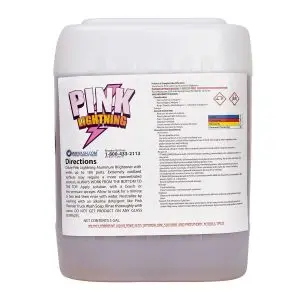
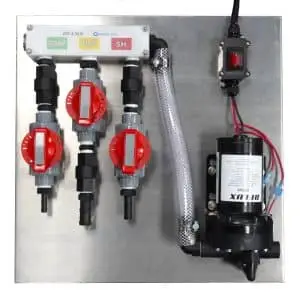
Apply an acidic presoak, then an alkaline soap for touch‑less road‑film removal and aluminum brightening when appropriate.

Water Reclaim & Filtration

Contain, capture, and filter wash water to align with BMPs and site requirements.

Build your kit

Detergents & Presoaks

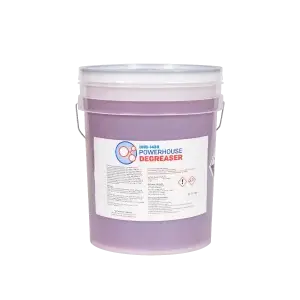
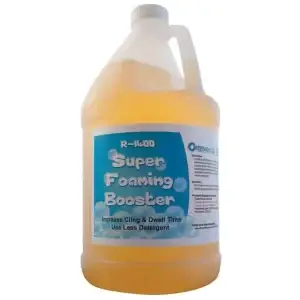
Use fleet‑specific formulas; start mild and escalate only as needed. Follow all label directions for dwell and dilution.

Guns, Lances & Nozzles

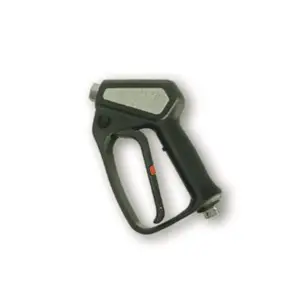
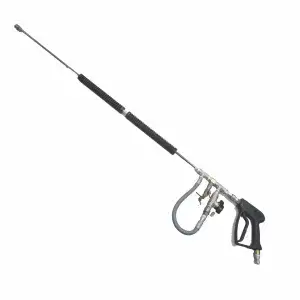
Dual‑lance or twin‑tip setups simplify 2‑step workflows; wide‑fan rinse tips help prevent streaks.

Brushes & Poles

Soft bristles help on stubborn film where touch‑less isn’t enough. Avoid aggressive brushing on polished aluminum.

Hose Reels & Plumbing

High‑flow supply, sturdy hose, and organized reels improve throughput and reduce trip hazards.

Shop Hose Reels

Workflow basics

  1. Stage vehicles and set containment mats or vacuum recovery if required.
  2. Pre‑rinse to remove loose grit and cool hot panels.
  3. Apply an acidic presoak (low pressure), then immediately apply alkaline soap before the surface dries.
  4. Light brushing only where needed; test on decals and sensitive trim first.
  5. Rinse thoroughly top‑to‑bottom. Pay attention to hinges, lights, cameras, and fifth‑wheel plates.
  6. Final checks: glass, mirrors, and a spot‑free or softened rinse if available.
Common soil Helpful approach Notes
Road film & diesel soot 2‑step wash or hot water plus fleet detergent Cover evenly; do not let chemicals dry.
Grease around axles & bays Hot water and targeted degreaser Use low pressure near seals and electrical.
De‑icing salts Thorough rinse and appropriate acidic presoak Rinse undercarriage; protect aluminum and polished parts.
Bugs on grills & mirrors Dedicated bug remover and soft brush Test on plastics and coated surfaces.

Never discharge wash water to storm drains. Use approved collection, on‑site treatment, or sanitary sewer connection as permitted by your local authority.

Learn more

Plan a faster, safer fleet‑wash setup

We can spec a complete package—from pressure washer and 2‑step application to reclaim and accessories—tailored to your soil load, water access, and climate.

Talk to an Equipment Specialist

Fleet Washing FAQ's

Select equipment that provides sufficient flow for efficient rinsing while keeping pressure low around seals and electronics. Follow manufacturer recommendations for your specific tools and chems.
Yes, with precautions: use RV‑grade antifreeze for equipment winterization, manage icing at the work area, and increase heat and dwell time as needed within label directions.
Use the mildest method that achieves results. Avoid aggressive brushing and harsh chemicals on polished aluminum and graphics; test in a small area first.
Keep it out of storm drains. Use collection mats, vacuum recovery, filtration, and discharge only as permitted by local authorities or to an approved sanitary connection.
A low‑pH presoak is applied first, followed by a high‑pH soap before drying. The pH shift helps release road film with minimal brushing when used as directed.
Heat speeds removal of grease and heavy road film and can reduce detergent use. Many contractors still use cold water for frequent light washes by pairing quality detergents and occasional brushing.
Home Backup - 2-2-24
Special Offer
PowerWash Prime Membership