Hose Reels

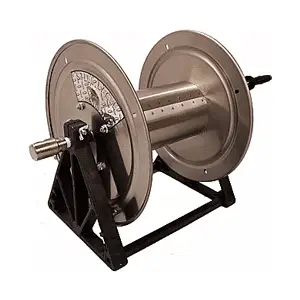
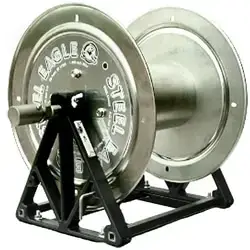
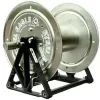
Speed up setup and protect your hoses with the right hose reel. A quality reel improves safety, prevents kinks and abrasion, and keeps your rig organized for faster turnarounds. Whether you prefer manual or electric rewind, choose a reel that matches your hose size and length, working pressure, temperature, and mounting location. Materials and seals matter too—especially around chemicals and salt air.

Featured Categories

Brand

Price

Capacity

Crank

Hose Capacity

Inlet

Max Temperature

Showing 1–20 of 59 resultsSorted by popularity

Hose Reels & Accessories: A Quick Buyers Guide

Choose the right reel faster

Mobile Contract Cleaning

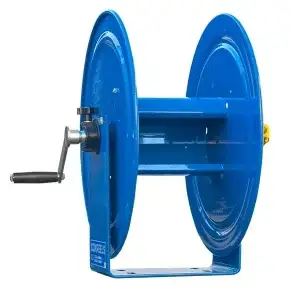
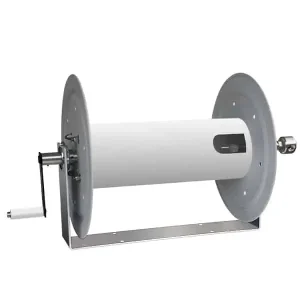
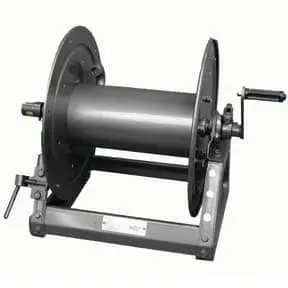
Manual crank reels are simple, durable, and light. Pair with common 3/8 in pressure hoses and verify the reels working pressure and temperature meet or exceed your machine and hose ratings.

Route & Fleet Work

Electric rewind (12V) saves time on frequent setups and long runs. Confirm amp draw and add a breaker/relay. Use a high-quality swivel and strain relief to protect fittings.

Soft Wash + Rinse Rigs

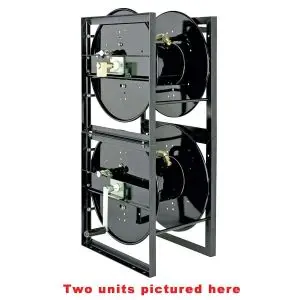
Stack a high-pressure reel for tools/surface cleaners above a larger-ID low-pressure reel for chemical or supply line. Favor corrosion-resistant frames and components where chemicals are present.

Hot-Water Systems

Choose reels, swivels, and seals specifically rated for elevated temperatures. Keep a short high-temp whip between heater outlet and reel to reduce stress and heat soak.

How to size a hose reel

  • Match max working pressure to your systems unloader/relief setting; never underspec a reel, swivel, or fittings.
  • Confirm temperature rating for hot-water units and post-heater plumbing.
  • Check both hose I.D. and O.D. against the reels capacity chart to ensure proper fit and safe stacking height.
  • Choose inlet/swivel size that wont bottleneck flow (e.g., avoid stepping down from 1/2 in to 3/8 in unless the system is designed for it).
  • Verify drum width/diameter supports the total hose length you plan to carry, with room for future growth.
  • Select materials for the environment: stainless or coated aluminum/steel for coastal and chemical exposure.
  • Plan mounting and service access (stack kits, side clearance for swivel, and hose guide orientation).

Bring your hose specs when shopping. Knowing the hose I.D., O.D., length, working pressure, and temperature rating speeds up selection and prevents mismatches.

Typical applications and spec ranges

Application Common Hose I.D. Typical Length on Reel Reel Types to Consider Pressure / Temperature Guidance
Cold-water cleaning (light commercial) 3/8 in 100150 ft Manual crank or spring-rewind Select reels rated at or above your washers max working pressure; verify swivel rating.
Pro hot-water 48 GPM 3/8 in to 1/2 in 15030 ft Manual crank or electric rewind Use high-temp rated swivels/seals; confirm temperature and pressure match your system.
Soft wash / chemical transfer 1/2 in to 3/4 in 15000 ft Manual or electric with corrosion-resistant construction Low pressure but higher chemical exposurefavor materials and seals compatible with your mix.

Do not exceed any components published working limits. A system is only as strong as its weakest-rated reel, swivel, hose, or fitting.

Setup and mounting notes

  • Use a short, larger-I.D. whip between pump/heater and reel to reduce restriction and vibration.
  • Align the hose guide with the work direction to reduce cross-winding and side load on the drum.
  • Securely brace stacked reels; confirm fastener grade and backing plate thickness for your vehicle or skid.
  • Protect swivels from chemical drip and road spray; rinse and dry after use.

Care and maintenance

  • Rinse away grit and chemicals; periodically clean the drum and flanges.
  • Inspect swivel and connections for seepage; replace seals when wear appears.
  • Check drum brake/drag and latch (where equipped); adjust to prevent free-spooling.
  • Re-spool under light tension to avoid crushing lower wraps and kinks.

Learn more from the PowerWash Learning Center

Need help choosing a hose reel?

Tell us your machine specs, hose size and length, and how you mount your rig. Well recommend a reel and accessories that fit your workflow and budget.

Talk to an Equipment Specialist

Hose Reels FAQ's

Rinse chemicals and grit, keep light tension when re-spooling, check fasteners, and replace swivel seals at the first sign of seepage. Avoid sharp bends at the inlet.
Yes. Use approved stack kits or frames, verify mounting surface strength, and leave side clearance for swivel service and hose guide movement.
Favor stainless or well-coated aluminum/steel and keep swivels and bearings shielded from overspray. Rinse after use to limit corrosion and extend service life.
Only if the reel and swivel are rated at or above the washers actual working pressure (set by the unloader). When in doubt, choose the next higher rating to maintain a safe margin.
Manual reels are lighter and simpler with fewer failure points. Electric rewind saves time on long hose runs and high-frequency setups but requires proper wiring, protection, and space.
No. Only use reels, swivels, seals, and hoses specifically rated for the maximum operating temperature of your unit. Check temperature as well as pressure before purchase.
Match the reels capacity chart to your hoses I.D. and O.D., then choose a drum width/diameter that fits your total length with a safety margin. Verify the reels pressure and temperature ratings meet or exceed your system.
Home Backup - 2-2-24
Special Offer
PowerWash Prime Membership