Hose Reels

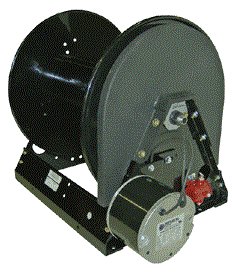
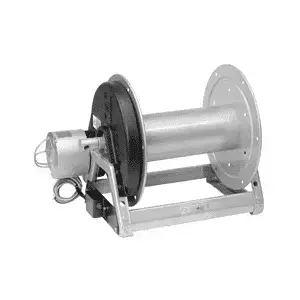
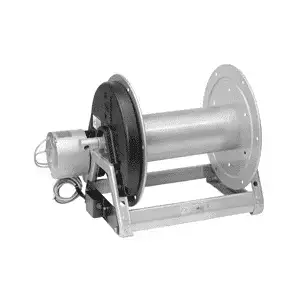
Speed up setup and protect your hoses with the right hose reel. A quality reel improves safety, prevents kinks and abrasion, and keeps your rig organized for faster turnarounds. Whether you prefer manual or electric rewind, choose a reel that matches your hose size and length, working pressure, temperature, and mounting location. Materials and seals matter too—especially around chemicals and salt air.

Featured Categories

Brand

Price

Capacity

Crank

Hose Capacity

Inlet

Max Temperature

Hose Reels FAQ's

Rinse chemicals and grit, keep light tension when re-spooling, check fasteners, and replace swivel seals at the first sign of seepage. Avoid sharp bends at the inlet.
Yes. Use approved stack kits or frames, verify mounting surface strength, and leave side clearance for swivel service and hose guide movement.
Favor stainless or well-coated aluminum/steel and keep swivels and bearings shielded from overspray. Rinse after use to limit corrosion and extend service life.
Only if the reel and swivel are rated at or above the washers actual working pressure (set by the unloader). When in doubt, choose the next higher rating to maintain a safe margin.
Manual reels are lighter and simpler with fewer failure points. Electric rewind saves time on long hose runs and high-frequency setups but requires proper wiring, protection, and space.
No. Only use reels, swivels, seals, and hoses specifically rated for the maximum operating temperature of your unit. Check temperature as well as pressure before purchase.
Match the reels capacity chart to your hoses I.D. and O.D., then choose a drum width/diameter that fits your total length with a safety margin. Verify the reels pressure and temperature ratings meet or exceed your system.
Home Backup - 2-2-24
Special Offer
PowerWash Prime Membership