
Degreasers for Pressure Washers
Brand
Price
- (2)
- (1)
- (1)
Product Grade
- (3)
- (3)
Showing all 10 resultsSorted by popularity
-
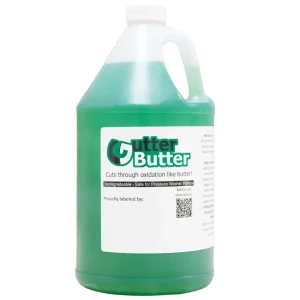
Gutter Butter – Oxidation Remover
From $54.47 -
-
-
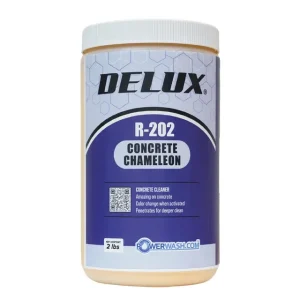
R-202 Concrete Chameleon Concrete Cleaner
From $19.47 -

-
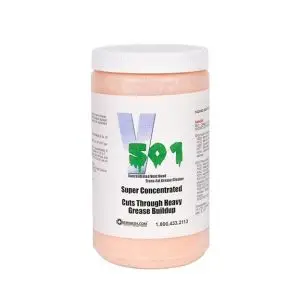
V-501 Trans fat Kitchen Degreaser Cleaner
From $31.47 -
-
-
-
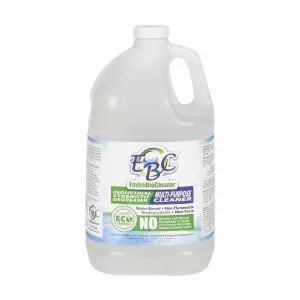
55gal KIT EBC Enviro Bio Cleaner Concrete Cleaner – Eco-Friendly
$1,693.47
As low as $42.34/mo

How to Choose a Pressure Washer Degreaser
Select chemistry by the soil you need to remove (petroleum oils, food fats, tar, road film), the surface you are cleaning (concrete, painted metal, bare aluminum), and your application method (downstream injection, foamer, pump-up sprayer). Hot water often improves performance; always follow your equipment and chemical label limits.
Quick Selection Guide
Alkaline Degreasers (Non‑Butyl/Butyl)
- Go-to choice for general oil and grease on concrete, masonry, heavy equipment and shop floors.
- Strong soil-cutting surfactants; many are suitable for downstreaming.
- Equipment selection notes: Rinse thoroughly; avoid prolonged contact on soft metals unless labeled aluminum‑safe.
Solvent or Citrus‑Based Degreasers
- Targets heavy petroleum residues, adhesives and tar where alkalines struggle.
- Commonly applied with pump‑up or electric sprayers; check SDS for flammability.
- Equipment selection notes: Generally avoid injectors and coils; apply as a pre‑spray and rinse.
Aluminum‑Safe / Non‑Caustic Formulas
- For polished or bare aluminum, anodized trim and sensitive alloys.
- Use where standard high‑pH cleaners may dull or etch soft metals.
- Equipment selection notes: Pre‑test in an inconspicuous area; keep dwell times short.
Hot‑Water Compatible Degreasers
- Formulated to remain stable at elevated temperatures for faster soil removal.
- Helpful on congealed fats and oxidized oils in shops and food‑adjacent areas (where allowed).
- Equipment selection notes: Follow both machine and chemical temperature limits.
Dilution and Application Basics
Start at the lightest recommended dilution on the product label and increase strength only as needed. Apply bottom‑up on vertical surfaces for even coverage, allow proper dwell time without letting the solution dry, then rinse top‑down with appropriate pressure and flow.
| Soil | Best Chemistry | Typical Application | Surface Notes |
|---|---|---|---|
| Fresh petroleum drips and oily film | Alkaline degreaser | Downstream or foamer; warm/hot water if available | Excellent on concrete, painted metal and equipment housings |
| Baked‑on shop grime and tar | Solvent/citrus pre‑spray followed by alkaline rinse wash | Pump‑up sprayer pre‑treat, then pressure rinse | Avoid solvents on or near heater coils and rubber seals |
| Food fats and animal/vegetable greases | Alkaline, hot‑water compatible degreaser | Foam or downstream; keep solution wet during dwell | Mind slip hazards; confirm use is permitted for the area |
| Machinery with bare aluminum parts | Aluminum‑safe, non‑caustic cleaner | Low‑pressure pre‑spray; short dwell; cool surface | Pre‑test; extended contact with high‑pH cleaners may dull or etch |
Test first. On sensitive metals and coatings, perform a small spot test and shorten dwell time if any darkening, streaking or fizzing appears.
Equipment & Safety Notes
- Downstream injectors rely on low‑pressure tips; high‑viscosity products may not draw well. If needed, apply by foamer or sprayer and rinse with your washer.
- Keep chemicals after the pump and heater unless your equipment and chemical label specifically allow otherwise.
- Use chemical‑resistant gloves and eye protection; follow each product’s label and SDS for PPE and ventilation.
- Rinse equipment and hoses with clean water after use to reduce residue and extend component life.
Do not run flammable solvents or highly corrosive cleaners through heater coils or near open flames or hot surfaces. Many solvent degreasers are best applied as pre‑sprays; always follow the product label and your equipment manual.
Fast Field Checklist
- Identify soil (oil, grease, tar, food fat) and surface (concrete, paint, aluminum).
- Select chemistry from the guide above; start at light dilution.
- Apply bottom‑up; keep solution wet during dwell.
- Use hot water if available and allowed by your chemical/equipment.
- Rinse top‑down; verify results; repeat only as needed.
Learn More About Chemicals and Setup
Unsure which degreaser fits your soils and surfaces? Our team can match chemistry to your workflow.
Get a Pro Recommendation
Tell us what youre cleaning, how you apply chemicals, and whether you have hot water. Well recommend the right degreaser and dilution to save time and protect your equipment.