15% Off Accessories Through Aug 10 · Use Code NEEDIT2026
0

All Pressure Washers

Explore every type of pressure washer in one place. This category brings together hot and cold water units, electric and gas models, and portable, skid, and trailer builds. Use the quick selectors below to narrow your search. If you’re unsure about PSI, GPM, or pump types, our team can help size a machine to your jobs and water supply.

Featured Categories

Brand

Price

Drive

Max Flow

Mobility Type

Motor Make

Motor Power Rating

Product Grade

Washer Type

Washer Power

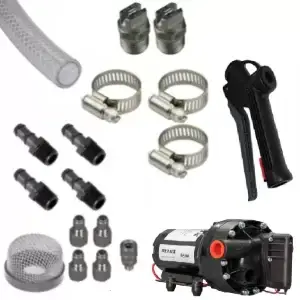
ACCESSORIES SALE
15% Off the Parts That Keep You Working

Stock the truck, replace worn parts and keep the next job moving. Use code NEEDIT2026 through Aug 10th.

Showing 1–20 of 96 resultsSorted by popularity

Shop All Pressure Washers

Start here: choose how you clean

Hot Water (Degreasing & Oil)

Hot water systems speed up removal of oils and grease and can reduce detergent use. They include a heating coil and burner, so plan for fuel, ventilation, and routine burner maintenance.

  • Faster results on oily residues, gum, and equipment grime
  • Best for fleets, shops, heavy equipment, and winter salt film
  • Requires fuel for the burner and proper ventilation

Cold Water (General Cleaning)

Cold water units are lighter and simpler. Pair with the right detergent and nozzle choices for siding, decks, vehicles, and general maintenance cleaning.

  • Lower upfront cost and simpler upkeep
  • Great for dust, mud, mildew staining (with compatible detergents)
  • Excellent with accessories like surface cleaners

Electric Power

Quiet operation and zero exhaust at the point of use. Ideal where power is available and ventilation is limited. Confirm voltage/amp supply and GFCI compatibility.

  • Great for facilities, food service areas, and warehouses
  • Lower routine engine upkeep
  • Corded operation limits range to available outlets

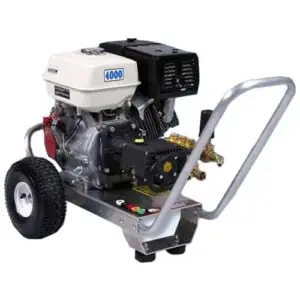
Gas Power

Maximum portability for mobile work and remote sites. Select the engine size to match your target PSI and GPM. Use outdoors and manage fuel safely.

  • Go-anywhere flexibility for contractors
  • Higher power-to-weight in portable formats
  • Produces engine exhaust—use in well-ventilated outdoor areas

Belt-Drive Triplex Pump

Runs cooler at speed and is favored for long daily duty cycles. Serviceable components extend machine life when maintained.

  • Excellent for frequent commercial use
  • Smoother operation and longer service intervals
  • Larger footprint and higher initial cost

Direct-Drive Triplex Pump

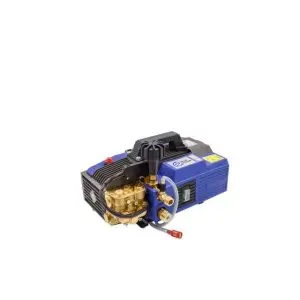
Compact and efficient with fewer moving parts. A strong fit for mobile crews that need pro performance in a smaller package.

  • Light, portable frames
  • Good value for contractors
  • Higher pump RPM—mind inlet water quality and supply

Axial Pump

Lower-cost, compact design commonly found on light-duty units. Good for intermittent work; limited serviceability compared with triplex.

  • Budget-friendly entry point
  • Simpler design and smaller frames
  • Best for occasional use

Gear-Drive Triplex

Pairs a triplex pump with a gear reduction for optimized RPM and durability in compact layouts. Useful where belt-drive won’t fit.

  • Serviceable, pro-grade components
  • Compact alternative to belt-drive
  • Confirm gear oil service intervals

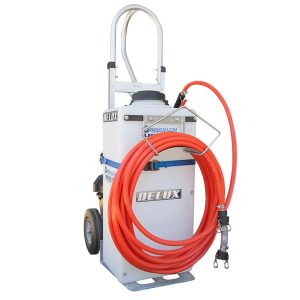
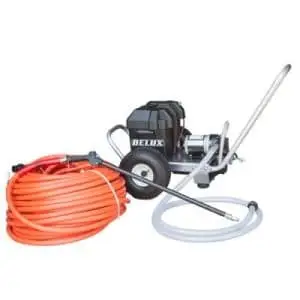
Portable Cart Units

Easy to move around jobsites and stow in vehicles. Add a surface cleaner or hose reel to boost productivity on flatwork and building washes.

  • Most flexible for mixed tasks
  • Fast setup and transport
  • Best with steady water source or buffer tank

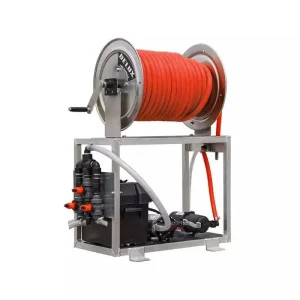
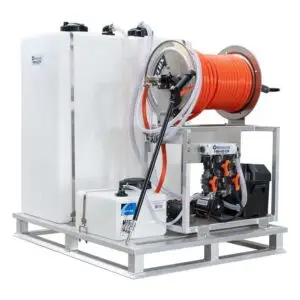
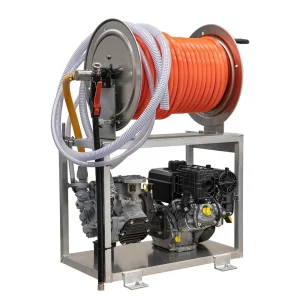
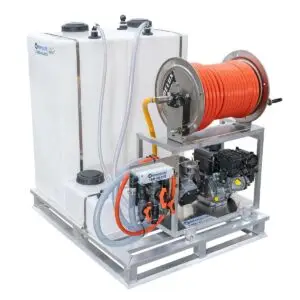
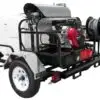
Skid & Trailer Packages

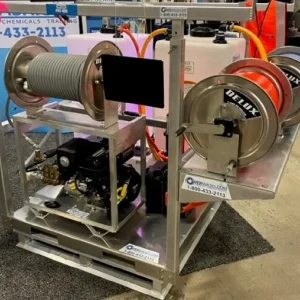
Built for all-day work with larger water tanks, reels, and storage. Configure hot or cold water, chemical systems, and lighting as needed.

  • High onboard capacity and organization
  • Ideal for fleet washing, parking lots, and routes
  • Plan for towing, weight, and local regulations

Power source at a glance

Consideration Electric Gas
Portability Best near outlets; lighter in many formats Go-anywhere with fuel on board
Noise Quieter Louder during operation
Emissions (point of use) Zero exhaust Engine exhaust—use outdoors
Typical Uses Facilities, food service, warehouses Mobile contracting, remote sites
Upkeep No engine service Engine maintenance and fuel management

Avoid running any pressure washer with an undersized water supply. Match the machine’s required GPM (or feed from a buffer tank with proper float valve and filtration) to protect the pump and maintain performance.

Equipment selection notes

  • PSI helps break the bond; GPM largely sets rinse speed and job throughput.
  • Size your nozzle to the machine’s flow and pressure rating to prevent overloading or underutilizing the pump.
  • Choose detergents compatible with the surface and your machine’s components; rinse thoroughly per label directions.
  • For indoor work, confirm electrical supply and ventilation policies; for engine-driven units, follow carbon monoxide safety guidance.
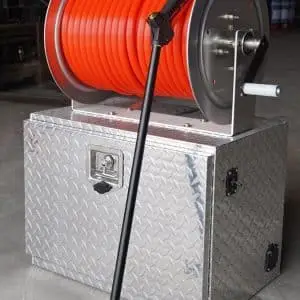
  • Accessories like surface cleaners, hose reels, and downstream injectors can dramatically improve productivity on flatwork and building washes.

Learning center picks

Not sure which machine fits your work?

Tell us about your jobs, power source, and water supply. We’ll recommend a washer that balances PSI, GPM, pump type, and budget—ready to earn on day one.

Talk to an Equipment Specialist

All Pressure Washers FAQ's

Flush detergents, add pump saver or antifreeze per the manual, drain hoses and coils, and protect the unit from freezing temperatures before storage.
Your source must meet or exceed the machine’s rated GPM with adequate pressure. Verify with a simple bucket test or feed from a buffer tank with a float valve and filtration. Never run the pump dry.
Triplex plunger pumps are serviceable and best for frequent use. Axial pumps are compact and cost-effective for light-duty work. Belt-drive favors long duty cycles; direct-drive is lighter and more compact.
Electric units produce zero exhaust at the point of use and are often chosen for indoor or enclosed areas. Confirm voltage/amp supply, GFCI needs, and facility ventilation policies.
Hot water speeds removal of oils, grease, gum, and winter salts. For general dirt and mildew staining, cold water with compatible detergents is often sufficient.
Both. Pressure helps break soil; water flow moves it away and often determines cleaning speed. Choose a balanced machine and control aggressiveness with nozzle angle and distance.
Home Backup - 2-2-24
Special Offer
PowerWash Prime Membership