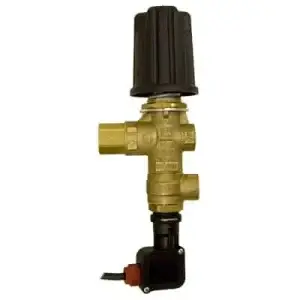
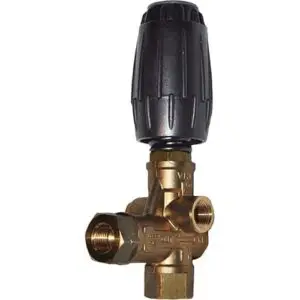
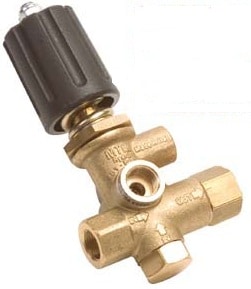
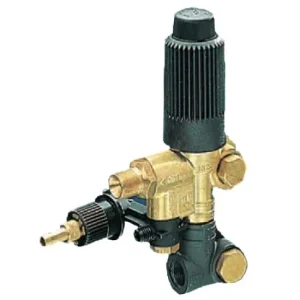
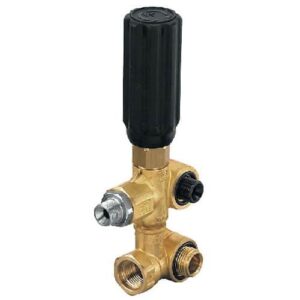
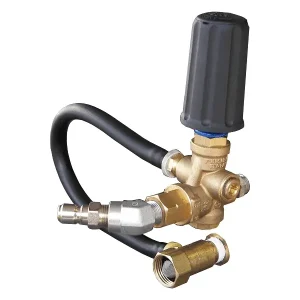
Unloader Valves: Selection & Setup Guide
What an Unloader Valve Does
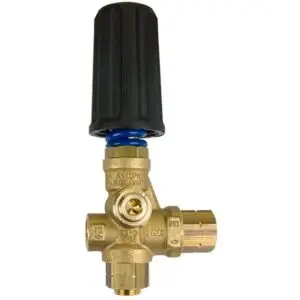
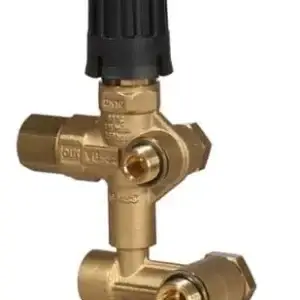
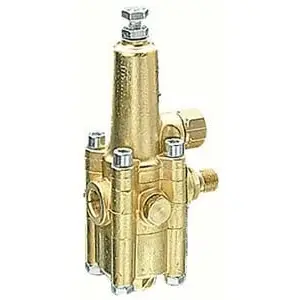
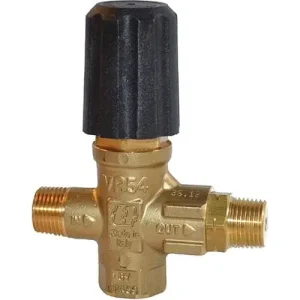
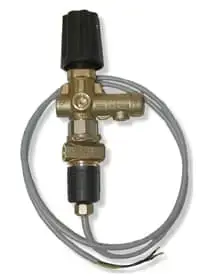
An unloader valve maintains system pressure and diverts water to bypass when the trigger is released or flow is restricted. Correct selection and setup reduce pressure spikes, heat build‑up during bypass, and wear on pumps, hoses, and guns.
Choose the Right Style and Specs
Pressure‑Actuated (Trapping)
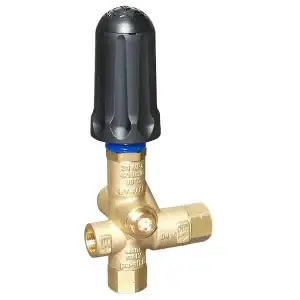
Triggers on pressure rise and typically traps hose pressure when you release the gun. Offers a crisp on/off feel and is common on cold‑water machines. Expect a noticeable initial pressure pop when re‑engaging the trigger.
Flow‑Actuated (Non‑Trapping)
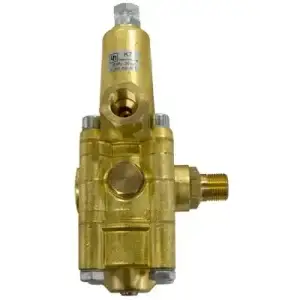
Senses flow reduction and shifts smoothly to bypass with less trigger shock. Favored for hot‑water systems and setups where minimizing pressure spikes is important.
Ratings & Connections
Match or exceed the pump’s maximum PSI and GPM. Confirm inlet/outlet thread type and size, and choose a bypass port size that supports unrestricted return flow.
Bypass Routing
Route bypass to a buffer tank when possible for cooler recirculation and smoother operation. If returning to pump inlet, use short runs and protect against heat with a thermal relief strategy.
Set spray nozzle size first, then fine‑tune the unloader. Nozzle orifice directly affects operating pressure and unloader behavior.
Quick Spec Check Before You Buy
| Parameter |
What to Match |
Why It Matters |
| Max PSI |
At or above pump rating |
Prevents over‑pressurizing the valve. |
| Max GPM |
At or above pump flow |
Ensures full‑flow bypass without starving the system. |
| Bypass Port |
Sufficient diameter and correct thread |
Reduces heat and restriction during bypass. |
| Ports/Thread |
Match NPT/BSP and sizes |
Avoids leaks and adapters that add restriction. |
| Temperature |
Meets application (cold/hot) |
Protects seals in hot‑water use. |
| Material |
Brass or stainless as needed |
Balances durability, corrosion resistance, and cost. |
Setup & Adjustment Basics
- Plumb the bypass line with the shortest practical run and no kinks; return to a buffer tank when available.
- Install a properly sized nozzle for your desired operating pressure and flow.
- With water supply on and engine/burner off, verify free flow and leaks; then start the machine.
- Hold the trigger open and adjust the unloader to achieve the target operating pressure—use a calibrated gauge.
- Release and re‑engage the trigger several times to confirm smooth transition to/from bypass without excessive spikes or surging.
Never operate a pressure washer in bypass for extended periods. Recirculated water heats quickly and can damage seals and hoses. Always relieve pressure and shut down before servicing any valve.
Troubleshooting Signs
- Surging or hunting pressure: check nozzle size, inlet supply, and unloader adjustment.
- Excess heat during bypass: verify unrestricted bypass flow and consider routing to tank.
- Pressure spikes when pulling the trigger: common with trapping unloaders; confirm settings and hose length.
- Bypass dribble or back‑flow toward tank/injector: inspect seats, springs, and check valves for wear or debris.
Learn More
Need Help Matching an Unloader to Your Pump?
Our team can help you confirm PSI/GPM ratings, choose the right valve style, and set up a safe, efficient bypass route for your build.
Talk to an Equipment Specialist