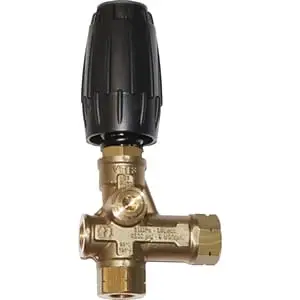
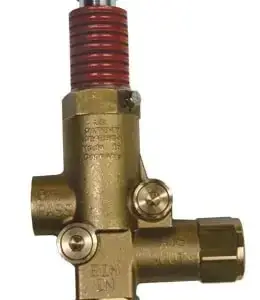
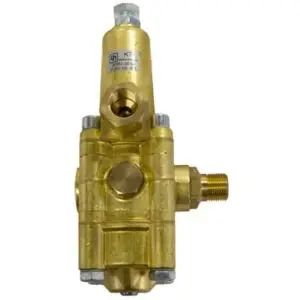
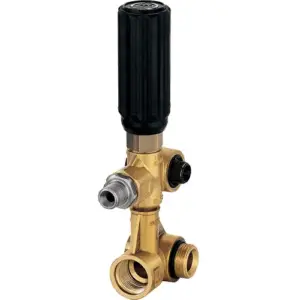
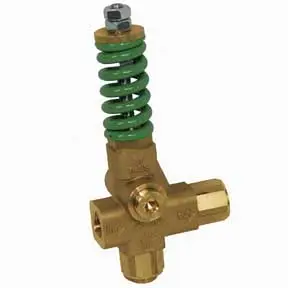
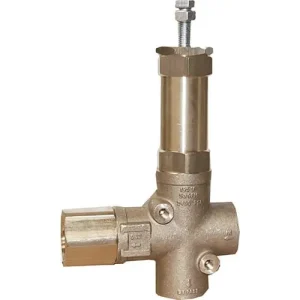
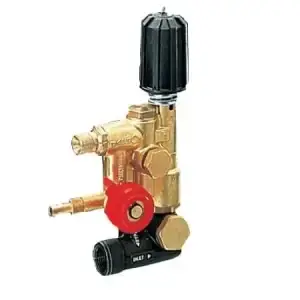
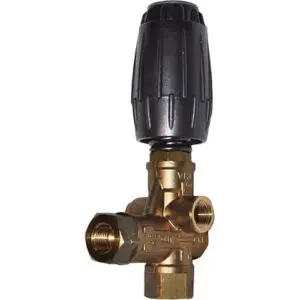
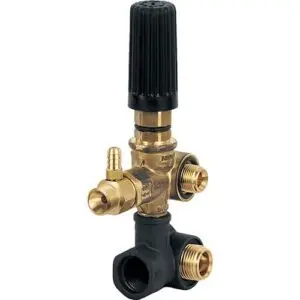
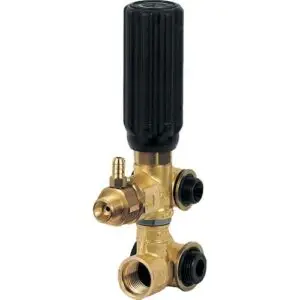
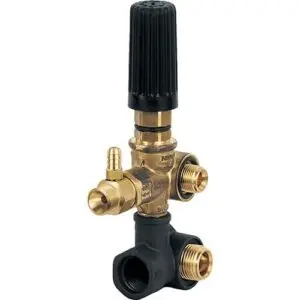
Unloader Valves
Choose the right unloader valve to protect your pump, control pressure, and keep your pressure washer running smoothly.
This category includes flow‑ and pressure‑actuated unloaders in common PSI/GPM ranges, port sizes, and materials—ready for professional replacement or upgrades.

Brand
Price
- (9)
- (64)
- (5)
- (1)
ACCESSORIES SALE
15% Off the Parts That Keep You Working
Stock the truck, replace worn parts and keep the next job moving. Use code NEEDIT2026 through Aug 10th.
Showing 21–40 of 79 resultsSorted by popularity
-
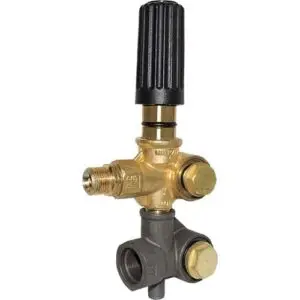
Giant Unloader Valve 3000 PSI
$314.21
Unloader Valves FAQ's
Is an unloader the same as a pressure regulator?
Both control pressure, but a regulator proportionally bypasses flow to maintain a set pressure, while an unloader shifts between wash and bypass modes. Some systems use a regulator for steady pressure and an unloader for full bypass protection.
What are common signs an unloader is failing or mis‑adjusted?
Surging, hard trigger spikes, rapid heat build‑up in bypass, low pressure with good supply, or water back‑feeding toward the tank or injector.
Should I route the bypass to a tank or back to the pump inlet?
Bypass to a buffer tank is preferred for cooler recirculation and smoother operation. If returning to the inlet, keep the line short and protect against heat with a thermal relief strategy.
How do I size an unloader for my machine?
Choose a valve with PSI and GPM ratings that meet or exceed your pump. Match thread type/size and ensure the bypass port supports unrestricted return flow. Final pressure is set with the nozzle and unloader adjustment.
What’s the difference between trapping (pressure‑actuated) and flow‑actuated unloaders?
Trapping unloaders shift on pressure and typically hold pressure in the hose when you release the trigger; flow‑actuated unloaders sense reduced flow for a smoother return from bypass with less trigger shock.
What does an unloader valve do on a pressure washer?
It maintains set system pressure and diverts pump flow to a bypass circuit when the trigger is released or flow is restricted, protecting the pump and hose.