
Residential Pressure Washing Detergents
Brand
Price
- (1)
Product Grade
- (10)
- (10)
Showing all 12 resultsSorted by popularity
-
Sale!
-
-
-
-

-
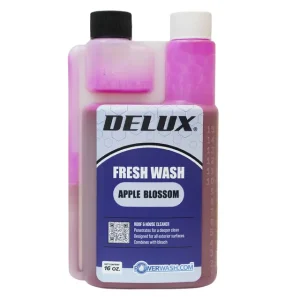
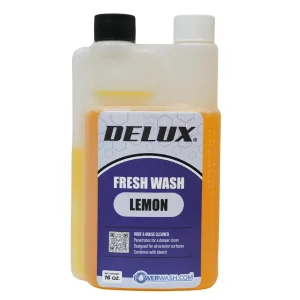
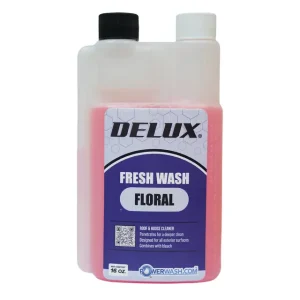
Fresh Wash Floral – Soft Wash Detergent
From $19.47 -
-
-
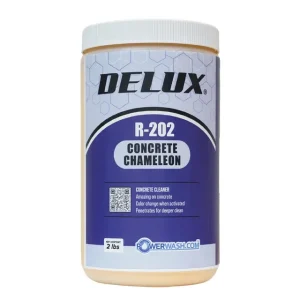
R-202 Concrete Chameleon Concrete Cleaner
From $19.47 -
-
-
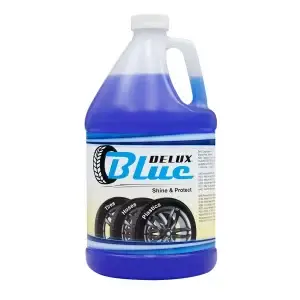
DELUX® Blue Professional Tire Shine
From $19.47
Residential Pressure Washing Detergents: Buyer’s Guide
Choose by Surface and Soil
Select detergents by the material you are cleaning and the primary soil you need to remove. Organic growth on siding responds best to house-wash detergents compatible with sodium hypochlorite. Wood benefits from oxygenated or alkaline cleaners followed by an appropriate brightener. Oil and grease on concrete require stronger alkaline or citrus-based degreasers, while orange rust or mineral stains respond to specialty acidic removers. Always follow the product label and test first.
House Wash (Siding & Soffits)
- Best for: Vinyl, painted siding, masonry, and many composite trims with organic staining.
- Pair with: Low-pressure application and thorough rinse; protect landscaping.
- Avoid: Mixing with acids or ammonia; using on oxidized/chalky paint without testing.
- Notes: Surfactants improve wetting and dwell on vertical surfaces.
Wood Cleaners (Decks & Fences)
- Best for: Weathered softwoods and hardwoods with grayness, mildew, or light soils.
- Pair with: A wood brightener/neutralizer after cleaning to restore color and pH.
- Avoid: Excessive pressure that raises grain; harsh acids on unsealed wood.
- Notes: Work with the lowest effective pressure and even dwell; rinse thoroughly.
Concrete & Driveway Degreasers
- Best for: Oil spots, tire marks, tracked-in garage grime on flatwork.
- Pair with: Agitation and appropriate temperature from your washer for heavy grease.
- Avoid: Allowing chemistry to dry on the surface; runoff to storm drains.
- Notes: Pre-treat stains, allow dwell, then rinse thoroughly; repeat for deep staining.
Rust & Mineral Stain Removers
- Best for: Orange irrigation rust, battery rust tracks, mineral and tannin discoloration.
- Pair with: Spot application and quick, thorough rinsing.
- Avoid: Acid-sensitive stone (test first) and contact with metals not listed as compatible.
- Notes: Follow label precautions; neutralize and rinse adjacent areas.
Never mix bleach-based detergents with acids, ammonia, or other chemicals. Mixing incompatible products can release hazardous gases. Only dilute and use as directed on the label.
Quick Selection Table
| Surface | Primary Soil | Detergent Family | Follow-Up Step |
|---|---|---|---|
| Vinyl/painted siding | Algae, mildew, dirt film | House wash (bleach-compatible) with surfactant | Low-pressure rinse; protect and re-rinse plants |
| Wood decks/fences | Graying, mildew | Oxygenated/alkaline wood cleaner | Apply wood brightener/neutralizer; gentle rinse |
| Concrete/driveway | Oil, tire marks | Alkaline or citrus degreaser | Agitate, rinse; repeat on heavy build-up |
| Masonry/pavers | Rust/mineral stains | Acidic rust/mineral remover (test first) | Neutralize per label; thorough rinse |
Before application, pre-wet landscaping and keep it rinsed during and after cleaning. Work on cool, shaded surfaces when possible and do not allow chemistry to dry.
Application Basics
- Identify surface and soil; choose a compatible detergent and read the label end-to-end.
- Protect surroundings: cover or pre-wet plants, and divert runoff away from storm drains.
- Apply detergent with low pressure for even coverage; allow recommended dwell without drying.
- Agitate where needed (brush on wood grain or stubborn oil spots) to boost results.
- Rinse thoroughly from the bottom up on verticals and from the cleanest area outward on flatwork.
- Post-clean checks: brighten/neutralize wood if required; spot-treat remaining stains; re-rinse plants.
Learn More
- 5 Tips To Match The Best Pressure Washing Chemicals To The Situation
- Tailor Made Chemicals For Soft And Pressure Washing Jobs
- How To Choose The Right Power Washing Soaps For Your Equipment And Job
- Ultimate Chemical Injector For Pressure Washing (Video)
Not Sure Which Detergent to Choose?
Tell us about your surfaces, stains, and equipment. Our team will help you match a safe, effective residential detergent and application method.