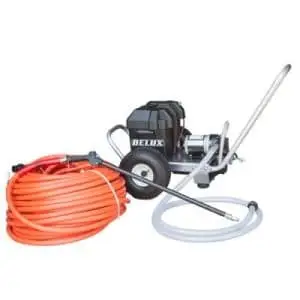
Portable Pressure Washers

Portable pressure washers deliver pro cleaning power in a compact, easy‑to-move form factor. They’re ideal when access, storage space, or transportation limits the size of your equipment. Use this guide to choose between electric, gas, and hot‑water portable units, understand key features that affect cleaning speed and reliability, and set up your machine for smooth, safe operation.

Featured Categories

Brand

Price

Drive

Max Flow

Mobility Type

Motor Make

Motor Power Rating

Product Grade

Washer Type

Washer Power

Showing 1–20 of 38 resultsSorted by popularity

Portable Pressure Washers: Buying & Setup Guide

Portable units balance cleaning performance with mobility. The right choice depends on your power source, the soils you face, how long you run between breaks, and where the machine will be used and stored.

How to choose a portable unit

  • Power source: Use electric where outlets are available or ventilation is limited; choose gas where cords would slow you down or power is unavailable.
  • Water temperature: Cold water handles general dirt; hot water speeds removal of oil and grease when used with the right detergent and safe ventilation.
  • Duty cycle: Frequent, longer jobs benefit from commercial pumps, frames, and hoses that handle heat and vibration.
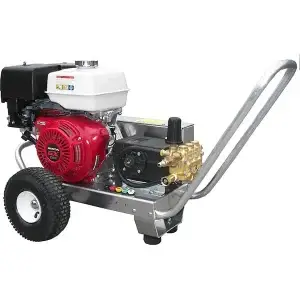
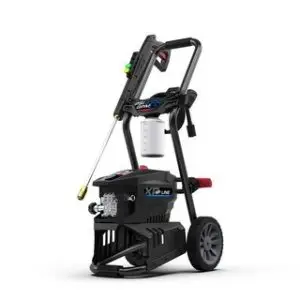
  • Mobility & footprint: Hand-carry frames and compact carts fit tight storage and small vehicles; larger carts roll easily over rough ground.
  • Accessories: Surface cleaners, proper nozzle sizes, and hose lengths improve results without overworking the machine.
  • Environment: Consider noise limits, exhaust, and water supply access at the job site.

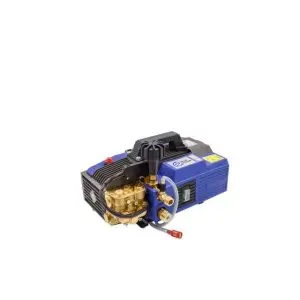
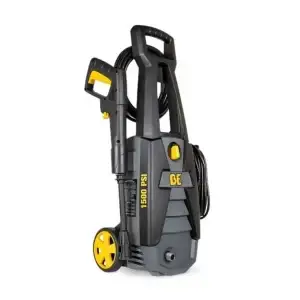
Electric Portable (Hand‑Carry or Cart)

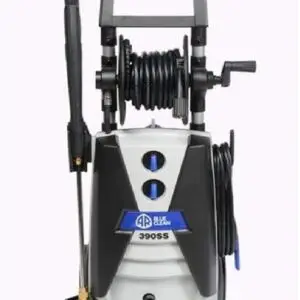
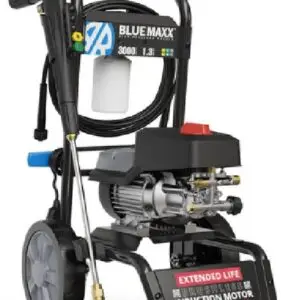
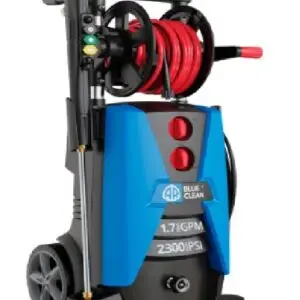
  • Best for indoor or enclosed areas with power access.
  • Low emissions at point of use and generally quieter operation.
  • Check circuit amperage and cord length limits to avoid nuisance trips and voltage drop; follow the product manual.

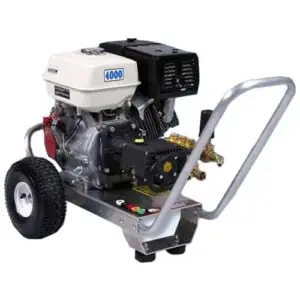
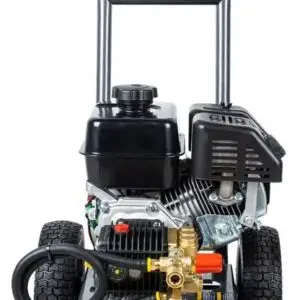
Gas Cold‑Water Cart

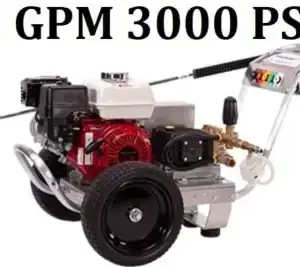
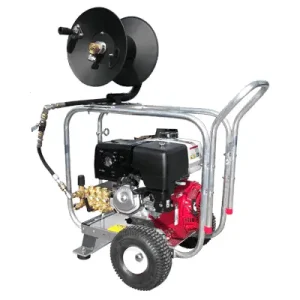
  • Best for outdoor work or where outlets are limited.
  • Fast setup with hose and fuel; no cord management.
  • Operate only with adequate ventilation and respect local noise rules.

Hot‑Water Portable

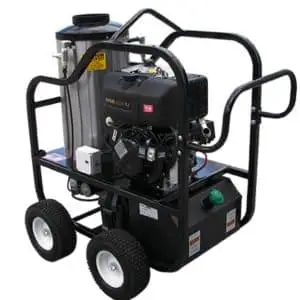
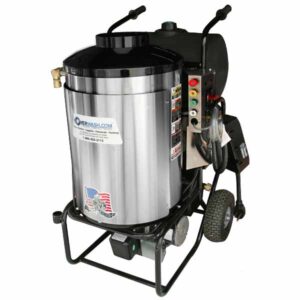
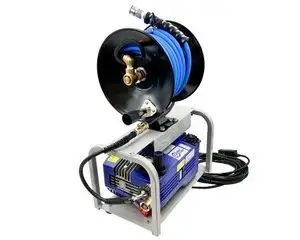
  • Best for grease, oil, and heavy soils where heat improves cleaning efficiency.
  • Requires fuel and regular burner maintenance; verify safe exhaust routing.
  • Pair with detergents labeled for heated use when appropriate.

Ultra‑Compact Jobsite Portable

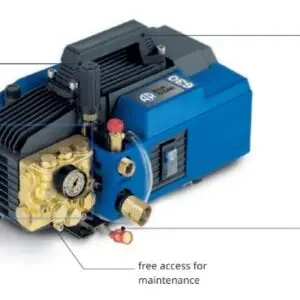
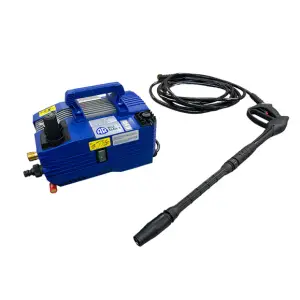
  • Hand‑carry form factor designed for quick moves and tight storage.
  • Great for light‑to‑medium tasks, maintenance teams, and vehicle carry‑ons.
  • Confirm compatibility with accessories and water supply method before purchase.

Match common jobs to portable washer types

Typical task Portable type to consider Notes
Residential patios, decks, vehicles Electric portable or gas cold‑water cart Electric reduces exhaust near buildings; gas speeds large outdoor areas.
Greasy shop floors, equipment bays Hot‑water portable Heat helps lift oils; verify ventilation and detergent compatibility.
Facilities maintenance with frequent moves Ultra‑compact hand‑carry Prioritize light weight, quick hose connections, and storage footprint.
Rough terrain or large outdoor lots Gas cold‑water cart Large wheels roll over gravel and grass; keep spare nozzles on hand.

Gas‑engine pressure washers must be used only in well‑ventilated outdoor areas. Never run engines in enclosed spaces. Follow all product and fuel safety instructions.

Setup tips for smooth, safe operation

  • Use a clean water source with adequate flow; confirm inlet filters are seated and free of debris.
  • Lay out hoses fully to improve cooling and reduce kinks before starting the machine.
  • Do not run the pump dry. Open the trigger to purge air before engaging the spray.
  • For electric units, use outdoor‑rated cords approved by the manual and avoid daisy‑chaining.
  • Match nozzle orifice to the machine’s rating; worn tips reduce pressure and cleaning consistency.
  • After use, flush detergents with clean water and relieve system pressure before storage.

Maintenance that protects portability and uptime

  • Inspect hoses, quick‑connects, and gun wands for wear that can cause leaks or pressure loss.
  • Keep inlet screens and downstream injectors clean to maintain flow and chemical draw.
  • Follow the product manual for pump service intervals; some pumps are maintenance‑free while others require oil changes.
  • Hot‑water models: maintain the burner, fuel filter, and coil per the manufacturer’s schedule.
  • Before freezing weather, winterize to prevent internal damage.

Learn more from the PowerWash Learning Center

Not sure which portable unit fits your jobs and power source?

Tell us about your applications, runtime, and storage limits. Our team will match you with a compact, durable setup that speeds cleaning without the guesswork.

Talk to an Equipment Specialist

Portable Pressure Washers FAQ's

Correctly sized spray tips, a short whip hose, and a surface cleaner speed work while reducing fatigue. Always match accessories to the machine’s ratings and fittings.
Flush detergents with clean water, relieve pressure, and follow the manual’s antifreeze or storage steps. This prevents freeze damage to pumps, coils, and valves.
Often yes, but confirm the machine’s amperage and the generator’s rated output and follow the manual for cord lengths and grounding. Use outdoor‑rated equipment and avoid overloading circuits.
Some models can draw from tanks or are designed for gravity feed. Unless the product page specifies tank compatibility or self‑priming capability, plan to use a pressurized spigot or a proper buffer tank to avoid pump starvation.
Hot water helps loosen oils and grease and can shorten cleaning time. It adds burner fuel and maintenance requirements, so choose it when you routinely face oily soils and can operate with safe ventilation.
Use electric where you have reliable outlets or need low on‑site emissions and quieter operation. Choose gas for outdoor work or when cords and limited power access would slow you down.
Portable models are built to move easily between jobs and store in tighter spaces. They use hand‑carry frames or compact carts, often with smaller footprints and quick‑connect hoses, while still delivering professional cleaning performance.
Home Backup - 2-2-24
Special Offer
PowerWash Prime Membership