
Ball Valves
Brand
Price
- (9)
Showing all 10 resultsSorted by popularity
-
-
-
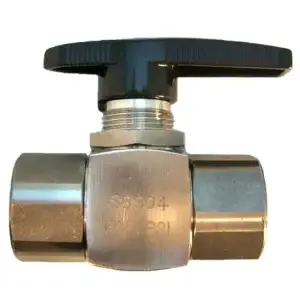
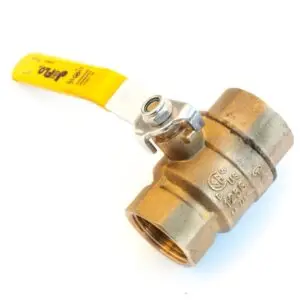
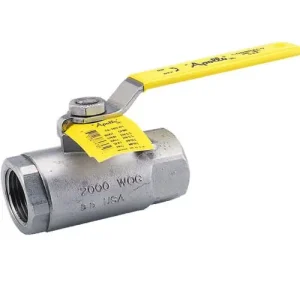
304 Stainless Steel Ball Valve 6000 PSI
From $64.47 -
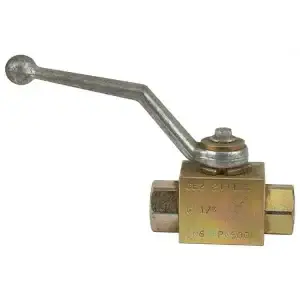
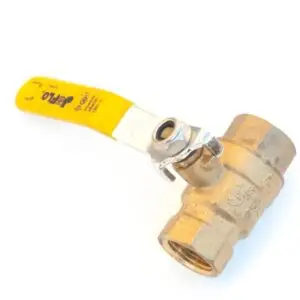
Plated Steel Ball Valve 7000 PSI
From $47.47 -

-
-
-
-
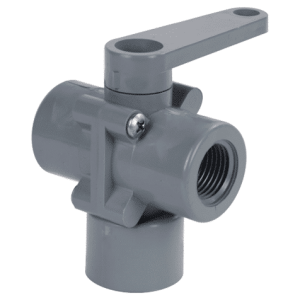
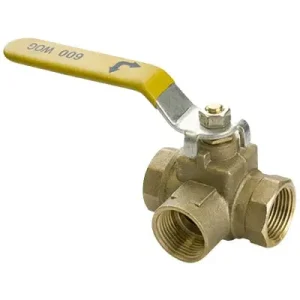
Three-Way Brass Ball Valve 150 PSI
From $66.47 -
90-Degree Steel Ball Valve 2000 PSI
From $31.47
Ball Valves for Pressure Washers: How to Choose and Use Them
What a Ball Valve Does in a Pressure-Washing System
Ball valves provide quick, quarter‑turn isolation. Install one where you need safe, fast shutoff to swap hoses or tools, isolate a component for service, or add a convenient on/off point near the gun or pump outlet. For positive‑displacement pump systems, treat the ball valve strictly as an on/off device—use your unloader or dedicated control equipment for flow and pressure regulation.
Best practice: operate a ball valve fully open or fully closed. Do not throttle with a ball valve; it’s for isolation, not flow control.
Popular Options
3/8 in. Full‑Port Stainless Steel
Durable choice for pro rigs. Commonly paired with 3/8 in. hose and quick connects. Stainless construction and PTFE seats support higher pressures and elevated water temperatures when specified.
3/8 in. Brass or Plated Steel
Cost‑effective for cold‑ to warm‑water units and mid‑pressure service. A good general on/off at the pump outlet or near the hose connection when matched to system ratings.
High‑Flow 1/2 in. Full‑Port
For higher GPM builds, a 1/2 in. valve reduces restriction and pressure drop. Confirm thread types and use proper adapters to keep the flow path full‑bore.
Chemical/Softwash Service
For low‑pressure chemical lines, choose valves built for the chemistry and temperature involved. Route to our softwash and chemical handling categories for those applications.
Connections and Compatibility
Select ports that match your plumbing and region. Most North American pressure‑washing setups use NPT threads. BSP threads are common on some imported components and require the correct adapters—do not mix standards.
| Attribute | What to check | Why it matters |
|---|---|---|
| Thread standard | NPT vs. BSP (BSPP/BSPT); match both sides or use proper adapters | Mismatched threads can leak or damage fittings |
| Port size | 3/8 in. or 1/2 in. to match hose/gun/unloader | Right size preserves flow and minimizes pressure drop |
| Pressure rating | Valve PSI at least equal to or above system maximum | Prevents premature wear or failure under load |
| Temperature rating | Check max water temp on the product spec | Seat/seal materials set the safe temperature range |
| Body/seat materials | Brass vs. stainless; PTFE seats; elastomer type | Corrosion, chemical, and heat resistance |
Installation and Safety Tips
- Place valves so you can isolate and depressurize safely before uncoupling accessories.
- Maintain a clear bypass path via the unloader; never dead‑head the pump by closing all outlets.
- Use thread sealant appropriate for your thread standard; do not force NPT and BSP to mate.
- Match the valve’s pressure and temperature ratings to your washer’s specifications.
Before closing a ball valve, release trigger pressure and ensure bypass flow is available. Closing against a running pump with no bypass can cause equipment damage.
Maintenance
- Inspect periodically for seepage at the stem or ports; replace the valve if leakage persists.
- Rinse after chemical use and cycle the valve to keep seats clean.
- Keep a spare valve on service vehicles to minimize downtime during peak season.
Want help matching a valve to your exact washer and workflow? Visit our Learning Center or talk with our team.
Need Help Choosing the Right Ball Valve?
Our equipment specialists can help you match size, thread standard, and pressure/temperature ratings to your rig for reliable, safe operation.