
Kitchen Hood & Exhaust Cleaning Detergents
Brand
Price
- (3)
- (2)
Product Grade
- (1)
- (1)
Showing all 9 resultsSorted by popularity
-
-

-
-
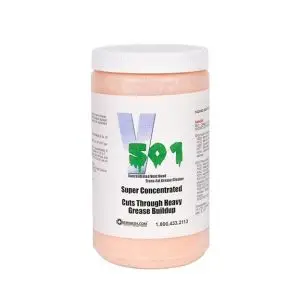
V-501 Trans fat Kitchen Degreaser Cleaner
From $31.47 -

-
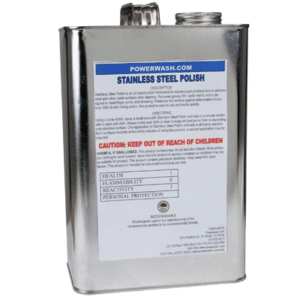
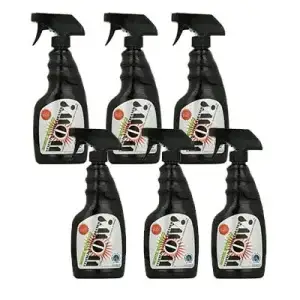
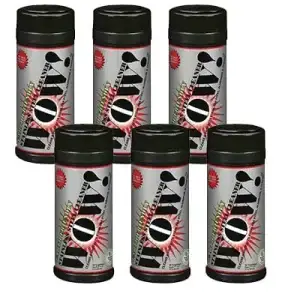
WOW! Stainless Steel Polish
From $94.97 -
-
-

Kitchen Hood & Exhaust Degreasers: Buyer’s Guide
What This Category Covers
This category includes concentrated degreasers engineered for commercial kitchen exhaust systems: hoods, plenum and duct interiors, upblast/downblast fans, and baffle or mesh filters. You’ll find high-alkaline cleaners, solvent-boosted blends for heavy polymerized grease, foamers for vertical cling, and neutralizers/rinse aids that help return surfaces to a near-neutral finish after cleaning.
Always confirm surface compatibility before use. Many high-alkaline products can stain or pit aluminum, galvanized steel, and anodized finishes. Test in a small area and follow the chemical label and PPE requirements.
How to Choose the Right Kitchen Hood Degreaser
Heavy‑Duty Alkaline Degreasers
Go-to chemistry for breaking down animal fats and baked‑on grease in hoods, plenums, ducts, and fan housings.
- Best for: frequent service routes and moderate to heavy grease loads
- Application: low‑pressure sprayer or pump‑up foamer; allow dwell time, then rinse thoroughly
- Surfaces: stainless steel and painted steel; avoid bare aluminum unless label permits
Solvent‑Boosted Alkaline
Alkaline cleaners fortified with solvents to tackle polymerized, carbonized grease where standard products struggle.
- Best for: seasonal heavy build‑up, high‑volume cook lines, and problem areas
- Use with added ventilation; confirm compatibility on coated or sensitive surfaces
- Often paired with foaming tools to increase contact time on verticals
Foaming, High‑Cling Degreasers
Formulations designed to expand and adhere, improving dwell time on vertical hood walls, duct risers, and undersides.
- Helps reduce runoff and rework on steep or overhead surfaces
- Apply with a compatible foamer; adjust air/solution ratio for stable foam
- Rinse from top to bottom to prevent streaking
Neutralizers & Rinse Aids
Mild, final‑step products used after degreasing to help neutralize residual alkalinity and brighten stainless.
- Supports better rinse results and reduces post‑cleaning streaks
- Useful when local discharge rules call for pH control
- Do not substitute for full detergent cleaning on greasy surfaces
Quick Selection Table
| Degreaser Type | Grease Load | Typical Surfaces | Cling/Foam | Rinse/Neutralize |
|---|---|---|---|---|
| Heavy‑Duty Alkaline | Moderate–Heavy | Stainless, painted steel | Low–Medium (add foamer if needed) | Thorough potable‑water rinse |
| Solvent‑Boosted Alkaline | Heavy–Severe / polymerized | Stainless, coated steel | Medium with foamer | Rinse thoroughly; consider neutralizer |
| Foaming High‑Cling | Light–Heavy (verticals) | Hood walls, risers, fan housings | High | Top‑down rinse; optional neutralizer |
| Neutralizers / Rinse Aids | Post‑clean finish | Stainless, splash areas | N/A | Final pass; verify near‑neutral pH |
Route planning matters as much as chemistry. Work from the fan back to the hood when possible, protect electrical components, and keep rinse water moving to recovery to help meet local discharge rules.
Application Steps (General Guidance)
- Pre‑inspect the system, identify sensitive metals and pre‑existing damage, and isolate or protect electrical components.
- Apply the selected degreaser from the top down. Allow appropriate dwell time without letting product dry.
- Agitate where needed with non‑scratch pads or brushes designed for stainless.
- Rinse thoroughly with potable water, capturing rinse per site policy.
- Finish with a neutralizer/rinse aid on stainless where desired, then polish exterior surfaces.
- Document results and next‑service timing based on grease production and local requirements.
Equipment Selection Notes
- Match chemistry to soil first; then choose tools (foamers, low‑pressure sprayers) that maximize dwell and coverage.
- Check labels for aluminum and galvanized compatibility; when in doubt, reduce contact time and rinse quickly.
- Use PPE suitable for high‑alkaline cleaners: gloves, eye/face protection, and splash‑resistant clothing.
- Coordinate with fire suppression service providers when working around fusible links and detector components.
Watch a start‑to‑finish hood cleaning walkthrough
Learning Center Resources
Need Help Matching Chemistry to Your Hood System?
Our equipment specialists can help you choose the right degreaser, foaming tools, and rinsing accessories for your menu, soil load, and service frequency.