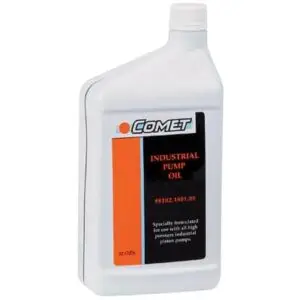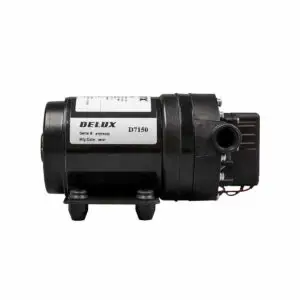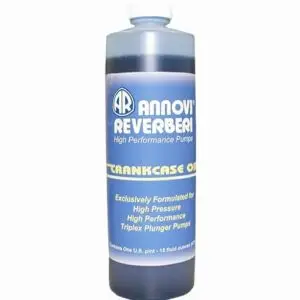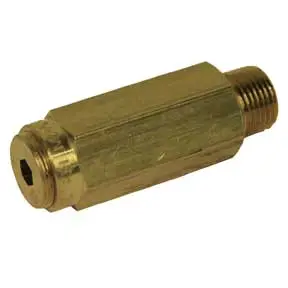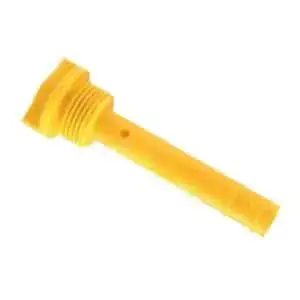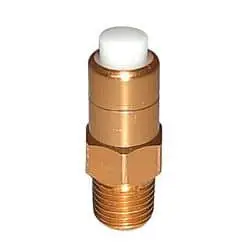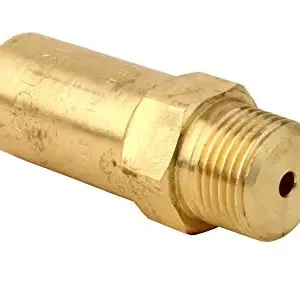
Pump Parts

Find the replacement seals, valves, unloaders, thermal relief valves, and fittings your pressure washer pump needs—along with a quick selection and troubleshooting guide. Match parts by pump model or specifications and solve common symptoms like pressure spikes, pulsation, cavitation, or overheating.

Featured Categories

Brand

Price

Speed Control

Pump Parts Buying & Troubleshooting Guide

Start with the right match

Identify by pump model

Locate the model and version on your pump tag, then match parts to the correct diagram. This is the fastest way to select the right seal kits, valve kits, and manifolds.

Confirm specs & fit

Verify GPM/PSI, RPM, shaft type and diameter (hollow/solid), and mounting pattern so components such as plungers, seals, and oil-side parts fit and perform as intended.

Verify thread standards

Most North American parts use NPT threads; many imported parts use BSPP/BSPT. These standards are not interchangeable—use the correct adapters and sealing method.

Choose service kits

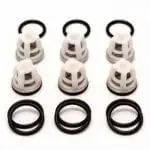
Seal kits and valve kits are designed to be replaced as complete sets to restore performance evenly across all cylinders and reduce repeat tear-downs.

Common symptoms and likely fixes

Symptom Likely parts to inspect Quick checks
Pressure spikes or “hunting” Unloader/regulator, nozzle, chemical injector Set unloader correctly; replace worn nozzle; check for leaks between gun and unloader.
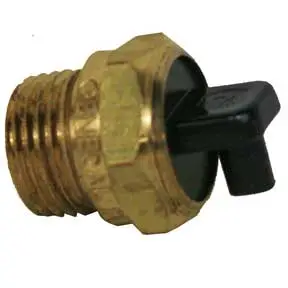
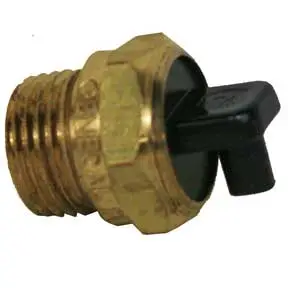
Overheats in bypass Thermal relief valve (TRV) Confirm a TRV is installed and opens to release hot water; minimize bypass time.
Pulsation or rough running Valve kit, pulsation dampener Clean/replace valves; inspect dampener charge or bladder as applicable.
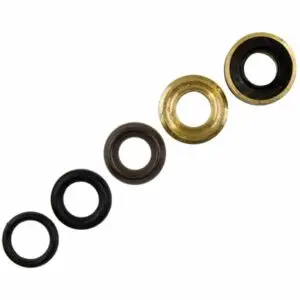
Water leaking at pump head High-pressure seal kit, plungers Replace seals as a full set; inspect plungers for scoring or wear.
Low pressure Nozzle size, inlet filter/strainer, valves Verify nozzle orifice; clean or replace inlet filters; remove debris from valves.
Cavitation noise Inlet plumbing and supply restrictions Use short, straight, adequately sized inlet hose; fix air leaks and remove restrictions.

Thread identification matters: tapered threads (e.g., NPT, BSPT) seal on the threads with tape/compound, while parallel threads (e.g., BSPP) seal with a gasket, washer, or O-ring at the face. Mixing standards often leads to persistent leaks.

Best practices that extend pump life

  • Keep inlet lines short, unrestricted, and air-tight; clean strainers and filters regularly.
  • Avoid running dry and limit time in bypass; recirculating water heats quickly.
  • Use the oil and service procedures specified by your pump manufacturer.
  • Replace worn nozzles rather than over-tightening the unloader to chase lost pressure.
  • Flush aggressive cleaners after use and winterize to protect seals and valves.

Learn more from the PowerWash Learning Center

Need help finding the exact pump part?

Our team can match seal kits, unloaders, valves, and fittings to your pump model and application.

Talk to an Equipment Specialist

Pump Parts FAQ's

Provide pump brand/model, GPM/PSI, RPM, shaft type/size, mounting style, and thread standard. Photos of the tag and current parts also help ensure a precise match.
Avoid extended bypass. Water heats quickly while recirculating and can damage seals and valves. Use a thermal relief valve and limit bypass time per your pump manufacturer’s guidance.
Common causes are downstream leaks, a worn or oversized nozzle, or an unloader that’s out of adjustment. Fix leaks, replace the nozzle, and set the unloader correctly to minimize pressure spikes.
A TRV protects the pump when the gun is closed by releasing small amounts of hot bypass water, allowing cooler water to enter and prevent overheating damage.
No. They differ in thread angle and sealing method. Use the correct adapters and seal according to the thread type (tapered threads seal on the threads; parallel BSPP seals with a washer or O‑ring at the face).
External water leaking at the pump head typically points to worn high‑pressure seals; pulsation, rough running, or low pressure after basic checks often indicates worn or debris‑fouled valves. Many rebuilds replace both kits together to restore balance.
Home Backup - 2-2-24
Special Offer
PowerWash Prime Membership