
Belts
Price
- (17)
Showing all 17 resultsSorted by popularity
-

-
-
-

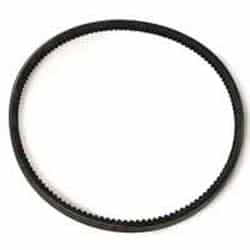
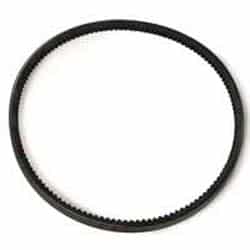
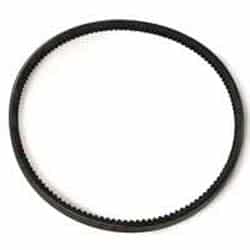
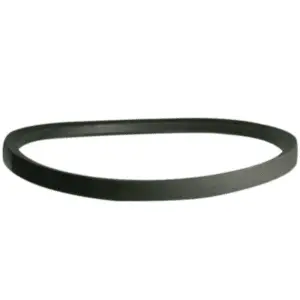
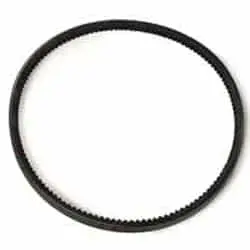
B29 21/32″ x 32″ V-Belt
$31.47 -
-
-
-
-
-
-
-
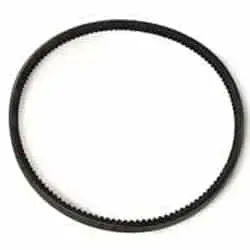
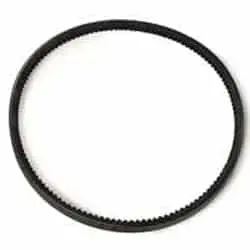
B32 21/32″ x 35″ V-Belt
$31.47 -
-
-
-
-



Pressure Washer Pump Belts: Selection and Setup Guide
Quick picks: common belt options
Classical A / AX (1/2″ family)
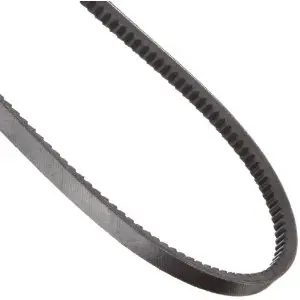
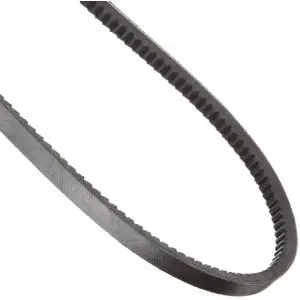
Widely used on belt‑drive cold and hot water units. AX is a notched (cogged) variant that bends more easily around smaller sheaves and can run cooler in continuous service.
Classical B / BX (5/8″–21/32″ family)
Chosen for higher power or larger pumps where a wider cross‑section increases grip. BX provides notches for improved flexibility and heat dissipation on tighter center distances.
FHP 4L / 5L (light‑duty styles)
Fractional‑horsepower styles sometimes appear on compact builds. Many 4L/5L sizes cross to A/B families, but length references and widths differ slightly by style—confirm markings before ordering.
Wrapped vs. Raw‑edge/Cogged
Wrapped belts are durable and tolerant of debris. Raw‑edge/cogged belts typically run with lower heat and reduced bending losses. Match the style to your sheaves and duty cycle.
Identify your existing belt
| What to check | Why it matters | Equipment selection notes |
|---|---|---|
| Size code printed on the belt (e.g., AX42, A44, 4L440, BX52) | Gives the belt family and a length reference used by most suppliers. | 4L/5L often correspond to A/B families, but their length markings use different conventions. Match the full code when possible. |
| Top width with a caliper | Several families share similar widths, so a quick measurement helps confirm section. | A and 4L share a similar nominal top width; B and 5L are similar but not identical. Use width plus belt code, not width alone. |
| Notches on the inner face (AX/BX) | Indicates a cogged variant designed for better flexibility and cooler running. | Keep the same style your drive was designed for unless you are updating both belts and sheaves. |
| Number of belts in the set | Multi‑belt drives rely on matched lengths for even load sharing. | Replace multi‑belt sets as a complete, matched group for best life. |
Setup and maintenance basics
- Inspect sheaves for groove wear or burrs before installing new belts; worn grooves shorten belt life.
- Align sheaves so the belt tracks straight; misalignment accelerates sidewall wear and heat.
- Set belt tension using a recognized method (deflection or frequency) per belt manufacturer guidance—neither too loose (slip) nor over‑tight (bearing load).
- Recheck tension after the first run‑in period; belts seat into the grooves and may need a small adjustment.
- Keep guards in place and re‑inspect belts for glazing, cracking, or frayed cords as part of routine service.
Old part in hand? Read the full size off the belt and take a quick top‑width measurement. If the code is worn, note that many 4L/5L belts have direct crossovers to A/B families—your product listing or a specialist can confirm the exact equivalent.
Avoid mixing belt sections (A with 4L, B with 5L, etc.) or combining old and new belts on multi‑belt drives. Mismatched belts can slip, run hot, and shorten pump and bearing life.
Need help matching a belt?
Send us the code on your old belt, a quick width measurement, and the make/model of your washer or pump. We’ll help you confirm the correct section and length.