
V-Jet Nozzles
Price
- (12)
Showing all 12 resultsSorted by popularity
-

-
-
-
-
-
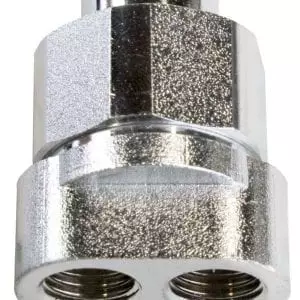
1/4″ Double Nozzle Holder
$12.97 -
-
-
-
-
-
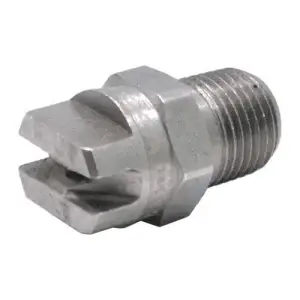
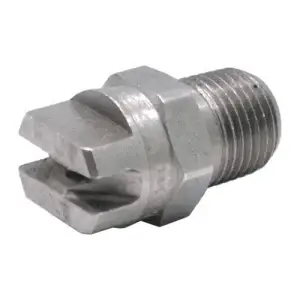
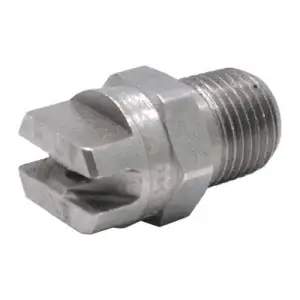
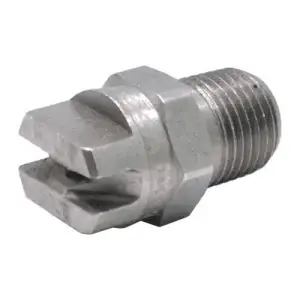
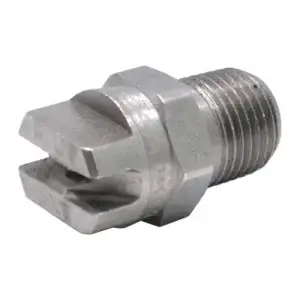
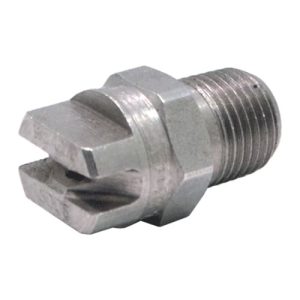
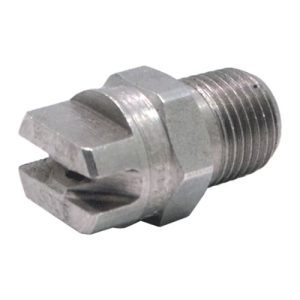
Vee Jet Nozzle 5010 1/4
$24.47
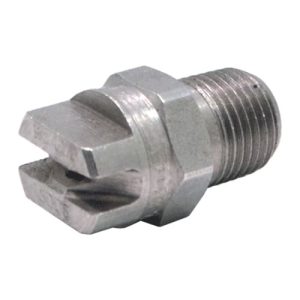
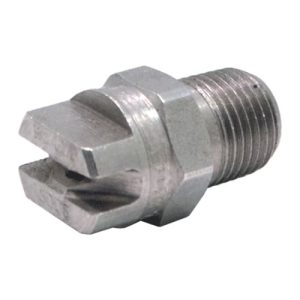
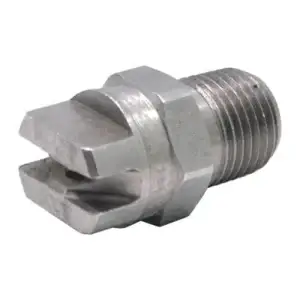
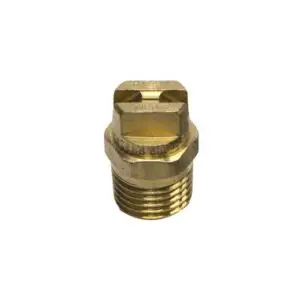
V‑Jet Nozzles: Choose the Right Flat‑Fan Tip for Your Work
What is a V‑Jet nozzle?
V‑Jet nozzles (also called flat‑fan tips) form a V‑shaped sheet of spray that delivers even coverage across the pattern. They are popular for targeted rinsing, pre‑treating, and controlled chemical application. You’ll find options in common pressure‑washing thread sizes (often 1/4 in. or 1/8 in. NPT), multiple spray angles, and a wide range of orifice sizes so you can match your washer’s GPM/PSI.
Quick picks
Brass V‑Jet (best value)
Cost‑effective for general rinsing and pre‑treating. Good everyday choice when you rinse after chemical use and store the nozzle dry.
Stainless V‑Jet (maximum durability)
Enhanced corrosion resistance and wear life for frequent use and harsher environments. Ideal when you run chemical more often and want a longer‑lasting tip.
Narrow angle: 15°–25°
Higher impact and longer reach for stubborn spots and distance work. Use with care on delicate surfaces.
Wide angle: 40°–65°
Softer impact and broader coverage for siding, vehicles, and close‑range rinsing where you want to avoid striping.
Sizing basics: match the orifice to your GPM/PSI
The orifice size regulates how much water flows at a given pressure. Too small, and pressure spikes and strains your pump; too large, and pressure falls and cleaning efficiency drops. Start with a nozzle size calculated for your machine’s rated GPM and PSI, then fine‑tune one size up or down to get the feel and results you want.
Bring us your washer’s GPM/PSI and typical jobs. We’ll recommend an orifice size and spray angle that deliver smooth, even coverage without overloading your pump.
| Spray angle | Pattern behavior | Typical uses | Selection notes |
|---|---|---|---|
| 15° | Tight, high‑impact band | Concrete stains, distant targets | Test first; can mark soft materials. |
| 25° | Focused flat fan | General rinsing on durable surfaces | Good balance of reach and coverage. |
| 40° | Wider, gentler sheet | Vehicles, siding, decks (with care) | Helps avoid striping on broad areas. |
| 65° | Very wide sheet | Pre‑treating and fast coverage | Lower impact; verify dwell and rinse. |
Material & chemical considerations
Brass tips offer strong value and machinability. Stainless steel tips provide improved wear resistance and generally better corrosion resistance in demanding environments. Regardless of material, always flush nozzles after using oxidizing cleaners and store them dry to extend service life.
Oxidizing chemicals (for example, bleach solutions) can attack metals over time. Rinse equipment thoroughly after application and avoid long soaks or hot, concentrated mixes inside the nozzle.
Setup & maintenance checklist
- Confirm the orifice size matches your washer’s GPM/PSI.
- Pick the spray angle for the surface and standoff distance.
- Use strainers/filters to keep debris from scoring the orifice.
- Inspect the fan for a smooth, even sheet; replace if streaky.
- Flush with fresh water after chemical use; store nozzles dry.
- Rotate a spare tip into service to compare wear over time.
Learn more
- X‑Jet & X‑Jet M5: The Contractor’s Guide
- Downstream Injector vs. X‑Jet (and the X‑Jet M5)
- Why the X‑Jet Is a Must‑Have in Your Power Washing Arsenal
- What Is an X‑Jet? (Video)
Need help selecting the right V‑Jet?
Tell us your washer’s GPM/PSI, the surfaces you clean, and the results you want. Our team will size the orifice and angle and suggest the best material for your workflow.