
-
-
-
-
-

-

-

-
-
Beckett Burner Tune-Up Kit
$59.42 -
-
-
Universal Burner Gasket
$9.97 -
-
SUNTEC A2VA-7116 Fuel Pump
$196.97 -
-
Sale!
SUNTEC R261NL 12/24V Fuel Solenoid Shut-Off Valve
Original price was: $97.47.$82.85Current price is: $82.85. -
-
-
-
Showing 1–20 of 135 resultsSorted by popularity
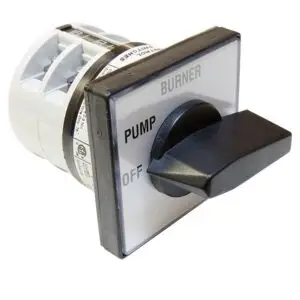
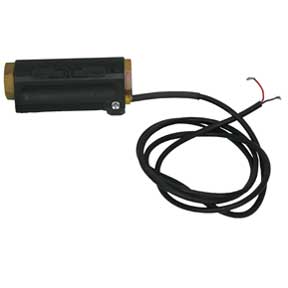
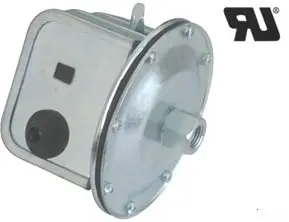
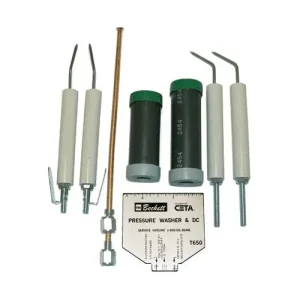

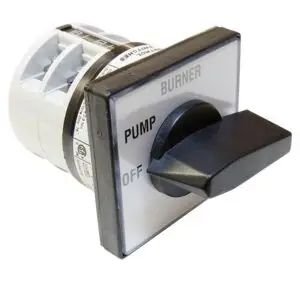

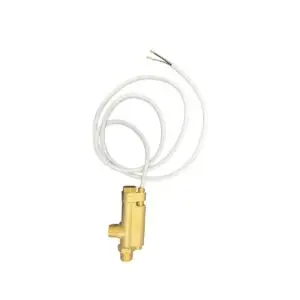
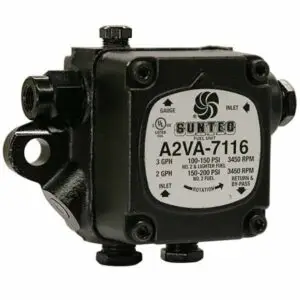
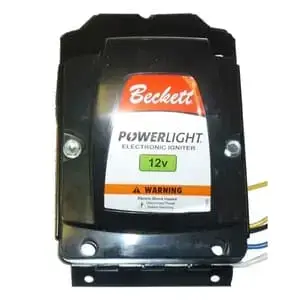
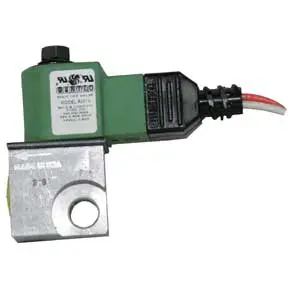
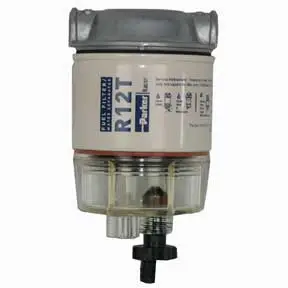
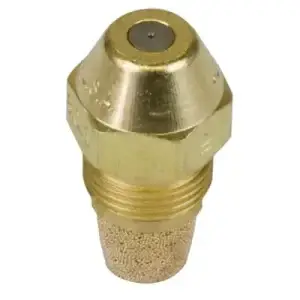
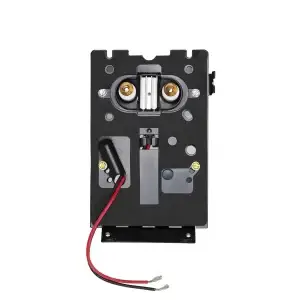
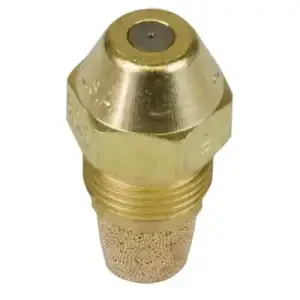
Hot water pressure washers heat the coil using a compact burner assembly. The system typically includes a fuel pump and filter, solenoid valve, burner motor with blower, ignition components (igniter/transformer and electrodes), a flame sensor/photocell, a nozzle that atomizes fuel, and limit/thermostat controls. Selecting replacements is easiest when you match part numbers and confirm electrical requirements.
| Component | Primary role | What to verify before ordering |
|---|---|---|
| Igniter/Transformer & Electrodes | Creates the spark to light the flame | Voltage (12V DC or 120V AC), connector style, recommended electrode spacing |
| Fuel Pump & Filter | Pressurizes and delivers clean fuel to the nozzle | Model/spec label, rotation, shaft style, fuel type, inlet/outlet orientation |
| Fuel Solenoid Valve | Opens/closes fuel flow on call for heat | Coil voltage, port size, valve body style, lead length |
| Burner Motor & Blower | Supplies combustion air | Horsepower/RPM, rotation, mounting pattern, fan/wheel size |
| Photocell/Flame Sensor | Verifies flame is present | Sensor style and connector; window condition |
| Burner Nozzle | Atomizes fuel for consistent combustion | GPH rating, spray angle/pattern, compatible fuel |
| Thermostat & High Limit | Controls water temperature; protects coil | Temperature range, probe or capillary length, switch type |
Keep photos of your old part labels. A quick snapshot of model numbers, voltages, and rotation arrows makes replacement selection much faster and helps avoid returns.
Igniters/transformers, electrodes, and photocells restore reliable lighting and flame monitoring when starts are inconsistent or the unit locks out.
Pumps, filters, hoses, and solenoids ensure clean, pressurized fuel reaches the nozzle for steady heat and cleaner combustion.
Motors, blower wheels, and air-band parts maintain the air supply needed for a stable, low‑smoke flame.
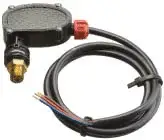
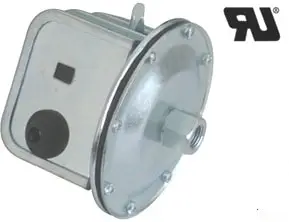
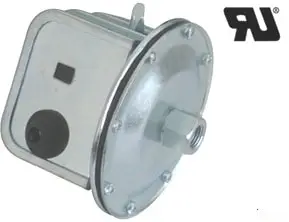
Thermostats, high limits, flow/pressure switches, and relays coordinate burner operation and help protect the heating coil.
| Symptom | Likely area | First checks |
|---|---|---|
| No ignition | Ignition circuit | Battery/line voltage, igniter output, electrode condition and gap, safety lockout reset |
| Flame starts then goes out | Fuel flow or flame sensing | Fuel level and filter, pump prime, solenoid coil power, photocell window cleanliness |
| Heavy smoke | Air/fuel mixture | Air-band setting, blower wheel cleanliness, fuel nozzle wear or wrong size, adequate combustion air |
| Weak heat rise | Nozzle or pump | Nozzle size compared to spec, pump pressure to spec, fuel quality and filter restriction |
Adjust air bands, fuel pressure, and electrode settings only in accordance with your owners manual. If you see persistent smoke, rumbling, or popping, stop and inspect before continued operation.
Want practical how‑tos? Explore these quick reads from our team:
Our Equipment Specialists can help you verify compatibility and suggest proven replacements for your specific hot water unit.