
Concrete Cleaning Detergents
Brand
Price
- (1)
- (1)
- (1)
Product Grade
- (4)
- (4)
Showing all 10 resultsSorted by popularity
-
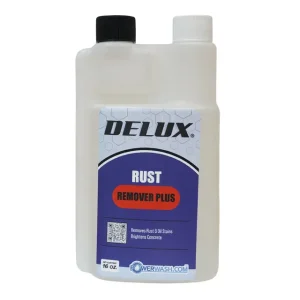
-
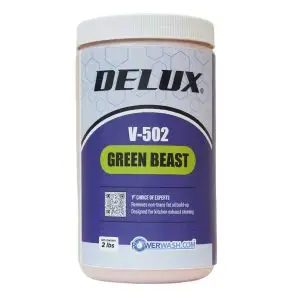
-
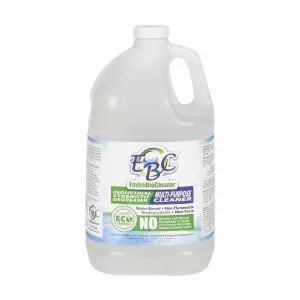
-
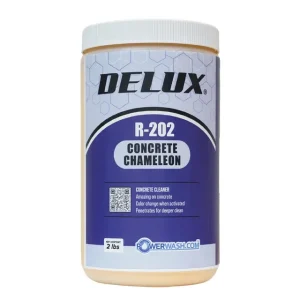
R-202 Concrete Chameleon Concrete Cleaner
From $19.47 -
-
-
-
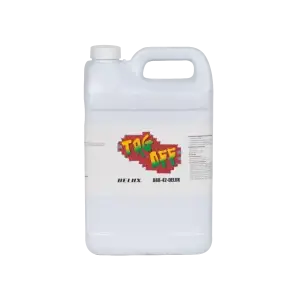
Tag Off Graffiti Remover
From $508.97 -

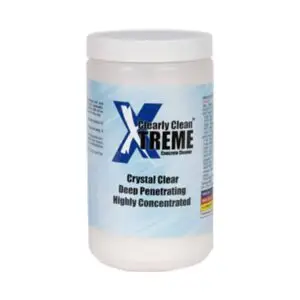
Clearly Clean Xtreme Concrete Cleaner
From $24.47 -
55gal KIT EBC Enviro Bio Cleaner Concrete Cleaner – Eco-Friendly
$1,693.47
As low as $42.34/mo

Concrete Cleaning Detergents: How to Choose the Right Chemistry
The fastest concrete cleanups happen when you match the detergent to the stain. Use acidic products for mineral-based discoloration like rust and fertilizer tracking, alkaline degreasers for petroleum soils, oxidizers for organics, and targeted blends for tire marks and traffic film. Always confirm surface type and test a small area first.
Match the chemistry to the stain
| Stain or soil | Best detergent chemistry | Typical pH | Where it fits | Notes |
|---|---|---|---|---|
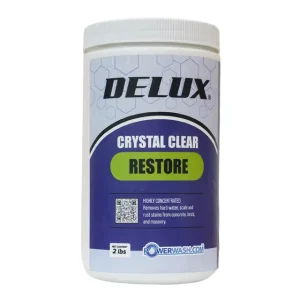
| Rust & fertilizer stains | Organic-acid rust remover or chelating blend | Acidic (pH 1–4) | Unsealed, broom-finished concrete and masonry | Work in shade; neutralize and rinse thoroughly. |
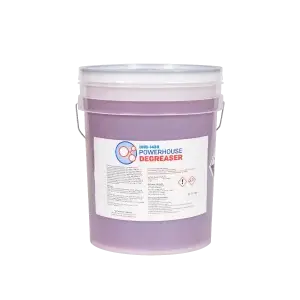
| Oil & petroleum grease | High-alkaline degreaser with surfactants | Alkaline (pH 11–13) | Driveways, drive‑throughs, service bays, dumpster pads | Agitation and heat improve results; control runoff. |
| Tire marks & traffic film | Alkaline detergent with solvent/surfactant boosters | Alkaline (pH 10–12) | Parking lots, loading zones | Pre-treat; follow with uniform surface‑cleaner passes. |
| Mold, mildew & organics | Oxidizing wash with surfactant | Alkaline (pH 11–13) | Exterior concrete with biological darkening | Pre‑wet plants, keep solution wet, rinse well. |
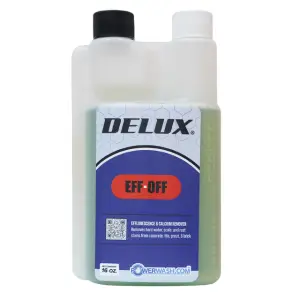
| Efflorescence & mineral scale | Mild acid descaler | Acidic (pH 1–3) | Masonry and raw concrete (not polished/colored) | May etch decorative finishes—test first. |
Always test in an inconspicuous spot, keep surfaces cool and damp, and pre‑wet adjacent landscaping. Work in manageable sections so detergents never dry on the surface.
Never mix bleach (sodium hypochlorite) with acids or ammonia. Wear appropriate PPE, follow label directions, and capture or divert runoff according to local regulations.
Popular solution types
Rust & Fertilizer Stains
Dedicated rust removers based on organic acids or chelators dissolve iron deposits and orange/green fertilizer tracking with minimal abrasion.
- Use on raw, broom‑finished concrete and masonry.
- Rinse thoroughly; avoid extended contact with metals.
Oil & Grease
High‑alkaline degreasers with surfactants lift petroleum soils from porous concrete.
- Agitation and warm water accelerate performance.
- Ideal for drive‑throughs, dumpster pads, and service areas.
Tire Marks & Traffic Film
Alkaline detergents with solvent boosters help break rubber residue and road film that normal soaps leave behind.
- Pre‑treat stubborn marks; follow with even surface‑cleaner passes.
- Multiple light applications reduce striping.
Mold, Mildew & Dark Organics
Oxidizing washes (with sodium hypochlorite and surfactant) brighten and remove biological staining on exterior concrete.
- Pre‑wet and post‑rinse plants and adjacent finishes.
- Do not allow solution to dry on glass or anodized metals.
How to choose on the job
- Identify the dominant stain first; treat it before general cleaning.
- Confirm surface type: broom‑finished vs. stamped, colored, sealed, or polished.
- Start with the least aggressive option and increase only as needed and per label.
- Apply proper dilution to a cool, shaded surface; allow brief dwell, agitate lightly, and do not let detergents dry.
- Rinse with ample flow and overlapping passes; recover or redirect wastewater responsibly.
Learning Center
- Rust Remover Plus The Best Chemical For Removing Rust Tire Marks And Brightening Concrete
- Get Rid Of Fertilizer Stains On Concrete With Rust Remover Plus
- How To Remove Gum Off Concrete
- How To Remove Paint From Concrete
- Understanding Ph Levels In Common Cleaners
Equipment selection notes
- Higher water flow speeds rinse‑out from porous concrete; surface cleaners help prevent visible striping.
- Several light applications with agitation often outperform a single heavy dose.
- On decorative or sealed concrete, choose milder, non‑acid formulas and test before full application.
Not sure which concrete detergent fits your job?
Tell us about your surface, stains, and equipment. Our specialists will help you match a cleaner and method for faster, safer results.