Duct Cleaners: How to Choose the Right Spinner for Grease Ducts
What is a duct cleaner?
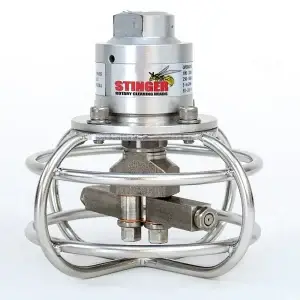
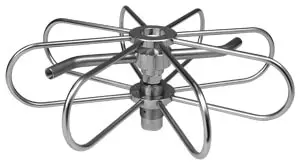
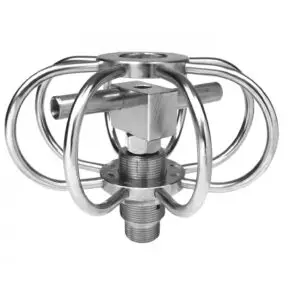
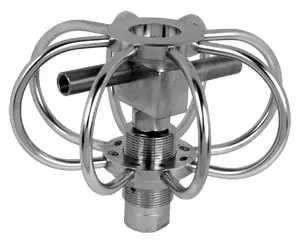
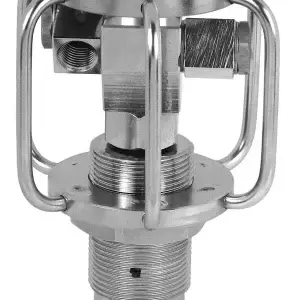
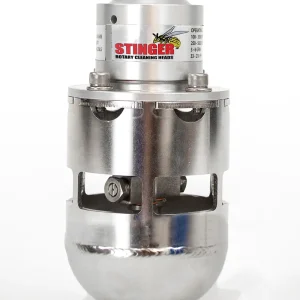
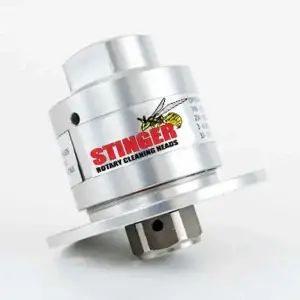
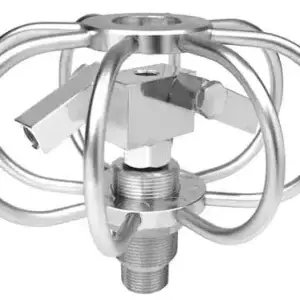
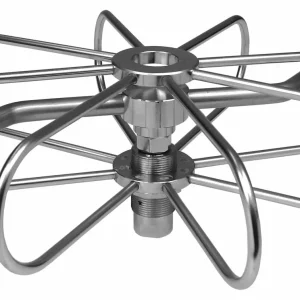
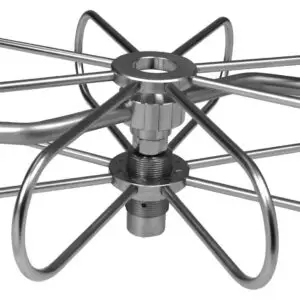
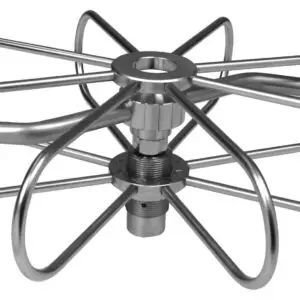
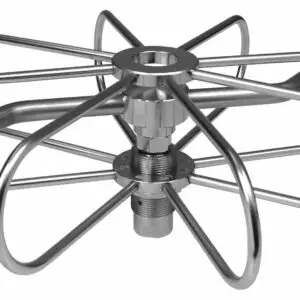
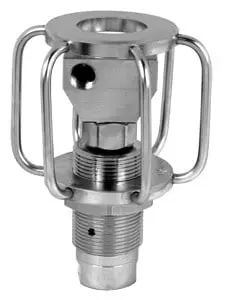
A duct cleaner is a compact, rotating jet head that you insert into a vertical or horizontal duct to cut and rinse grease from the interior surfaces. These tools are purpose‑built for kitchen exhaust systems and also see duty in trash chutes and other hard‑to‑reach shafts where controlled, even coverage matters.
Pick the right head for your job
2‑jet heads
Simple, light, and ideal when you want higher impact per jet to break heavy deposits in smaller ducts or on first passes.
4‑jet heads
Increase coverage and balance for long runs or larger shafts. Great for final rinses and even cleaning patterns.
Adjustable‑angle arms
Tune the arm angle to trade rotation speed for cutting power. Steeper angles concentrate force; shallower angles speed rotation.
Compact, low‑profile bodies
Designed to pass through tight access panels and elbows while keeping the spinner stable and centered.
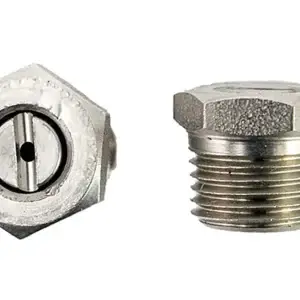
Rule of thumb for nozzle sizing: start by dividing the single‑tip orifice you run on your wand by the number of jets on the spinner (e.g., two jets ≈ half each). Always confirm final flow and operating pressure against your machine and the product chart.
Match to your washer and workflow
GPM, PSI and orifice
Pick orifices that let the spinner reach its designed speed without starving flow. Correct sizing keeps rotation smooth, maintains cleaning impact, and prevents over‑pressurizing your system.
Materials and temperature
For hot water and strong degreasers, choose stainless bodies, high‑temperature seals, and swivels rated to your washer. Verify chemical compatibility for seals and bearings.
Quick spec checkpoints
| Spec |
What to look for |
| Inlet size |
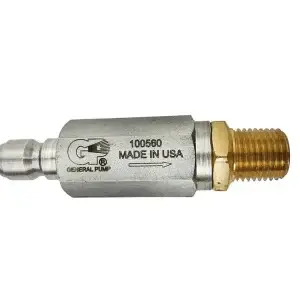
Match hose and gun (commonly 1/4″ or 3/8″). Use proper adapters if needed. |
| Jet count |
2 or 4 jets; choose coverage versus impact based on soil level and duct size. |
| Max pressure rating |
Spinner and swivel must meet or exceed your machine’s working pressure; never exceed ratings. |
| Max temperature |
Select high‑temp ratings when running hot water or steam‑assisted workflows. |
| Head diameter |
Choose a size that fits access panels and elbows and matches the duct diameter. |
| Arm angle |
Steeper angle = more cutting force; shallower angle = faster rotation and rinse. |
Pre‑job readiness checklist
- Verify safe access to hoods, fans, verticals, and access panels.
- Protect adjacent surfaces and contain rinse water and degreaser runoff.
- Confirm jet orifices, jet count, and swivel lubrication per product guidance.
- Test rotation in a safe area before inserting into the duct.
- Document before/after condition and apply the required service label for your AHJ.
Compliance and documentation
Commercial kitchen exhaust systems are typically cleaned on recurring intervals set by cooking volume and type, ranging from monthly for higher‑grease operations to annual for low‑volume or seasonal facilities. The objective is clean to bare metal with records your authority having jurisdiction (AHJ) accepts. Follow NFPA 96 and any stricter local rules, and ensure work is performed by a qualified person.
Before cleaning, verify fan controls, gas/electric interlocks, and fire‑suppression nozzles are protected as required by your AHJ. Never exceed equipment pressure/temperature ratings or bypass safety systems.
Learn more
Need help equipping your duct cleaning rig?
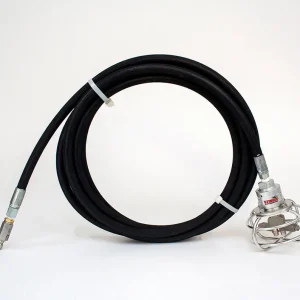
Our team can help you match jet count, orifice sizes, swivels, and hoses to your machine and target ducts—so you clean faster and stay compliant.
Talk to an Equipment Specialist