Grease Containment for Rooftop Exhaust Fans: Selection & Setup
What this category covers
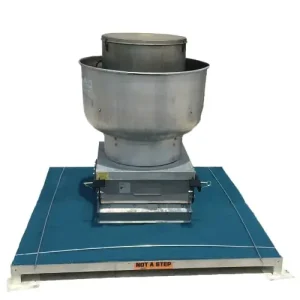
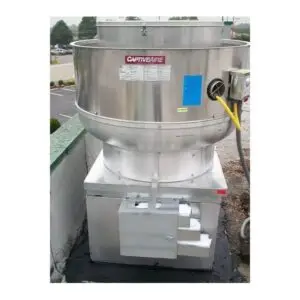
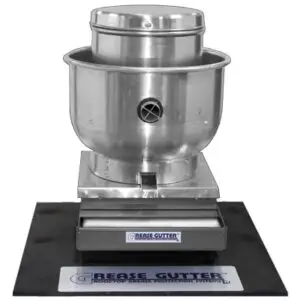
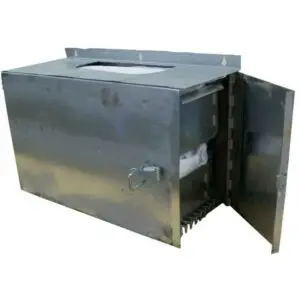
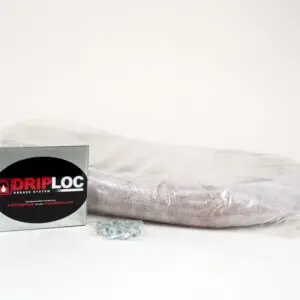
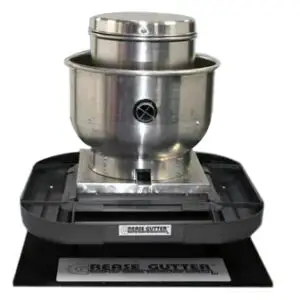
Grease containment captures grease-laden effluent at or around the rooftop fan termination to reduce roof damage and fire risk. Typical solutions include fan-mounted absorbent collectors, perimeter grease gutters, and replenishable absorbent refills. Choose components that are compatible with your exhaust fan model and roof details, and that do not impede airflow or access for cleaning.
Choose a containment approach
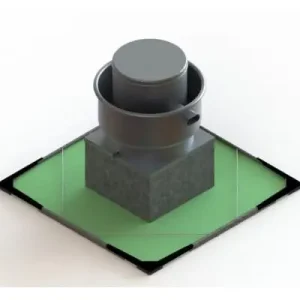
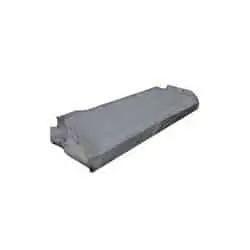
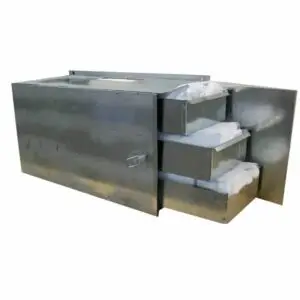
Fan‑Mounted Box & Pad Systems
- Passive absorbent media positioned near the discharge path
- Compact footprint around the fan curb or housing
- Quick to service during hood and fan cleanings
Best for compact rooftops, single upblast fans, or when perimeter guttering is impractical.
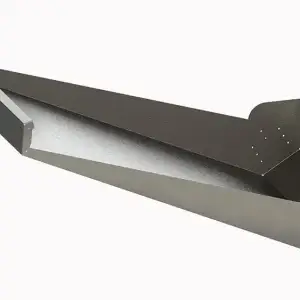
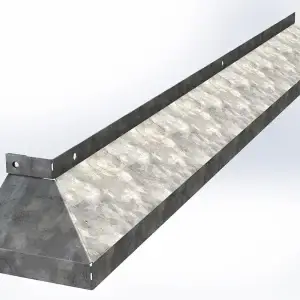
Perimeter Grease Gutters
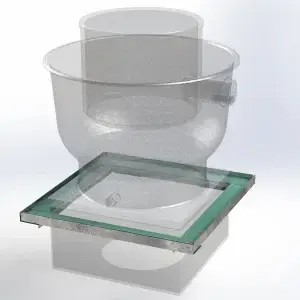
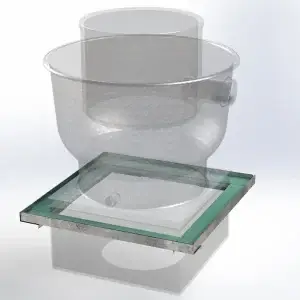
- Linear channels encircling the fan curb or roof penetration
- Directs captured effluent to replaceable absorbent or a drain container per AHJ
- Scales well for higher‑output cooklines
Best where wind patterns spread discharge over a wider area or multiple ducts terminate together.
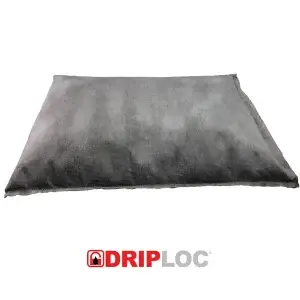
Quick‑Change Absorbent Refills
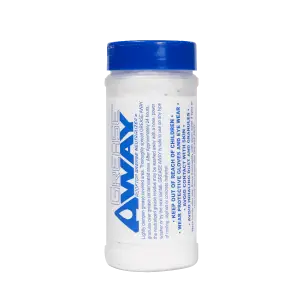
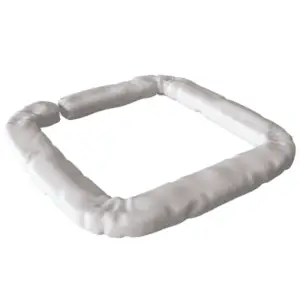
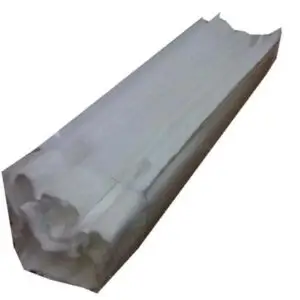
- Replacement pads, pillows, and booms sized for your chosen system
- Color‑change or saturation cues simplify inspection
- Supports predictable service routes
Ideal for reducing rooftop time and standardizing service across locations.
Fan Drain & Collection Accessories
- Drain extensions and non‑combustible collection containers
- Splash guards and wind screens matched to fan geometry
- Keeps low points from pooling grease on the roof
Useful where fans create traps or low points that otherwise drip onto the roof membrane.
Select containment that is compatible with your fan and roof and does not restrict fan performance, access, or code‑required clearances. Use listed components when required by your AHJ.
Sizing and compatibility checklist
- Fan type and size: upblast, utility set, or inline discharge geometry
- Discharge pattern: vertical plume vs. lateral throw that may require perimeter capture
- Roof layout: curbs, slope, parapets, and nearby intakes or combustibles
- Menu load and hours: higher grease output drives larger capacity or more frequent refills
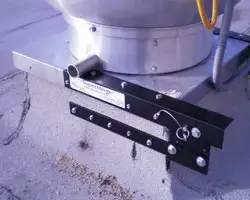
- Service access: hinge kits and safe fan access for cleaning and pad changes
- AHJ expectations: many jurisdictions adopt NFPA 96 and look for listed grease collection hardware
Plan inspections first—then set change‑out intervals
Start with short inspection intervals, record actual accumulation, and extend only when performance is consistent. Use the table below as a planning aid—not a universal schedule.
| Cooking intensity |
Starting inspection cadence |
Notes |
| Light (baking/reheat) |
Weekly |
Confirm no mist carryover beyond capture zone. |
| Moderate (griddle/saute) |
Every 3–5 days |
Adjust with seasonal wind and temperature changes. |
| Heavy (fryers/charbroil) |
Every 1–3 days |
Use high‑capacity media; consider perimeter capture. |
Keep a simple rooftop log: date, crew, pad condition, media replaced, and photos. This helps document compliance and fine‑tune service frequency.
Equipment selection notes
- Standards and AHJ: NFPA 96 addresses rooftop terminations and grease collection devices, and many AHJs expect listed grease containment that does not inhibit fan performance.
- Listing: Where required, look for containment systems listed for rooftop grease and oil collection.
- Stormwater awareness: Prevent runoff of captured grease to roof drains; manage and dispose of saturated media per local rules.
- Cleanability: Containment should allow safe fan access and routine cleaning of the hood, duct, and fan.
Learn more
Need help matching a grease containment system to your fan?
Our team sizes rooftop containment every day. We can review your fan make/model, roof layout, and menu to recommend a right‑sized, service‑friendly solution.
Talk to an Equipment Specialist