Hose Reel Swivels: How to Choose the Right Replacement
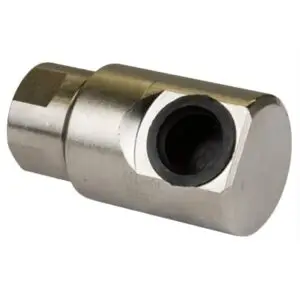
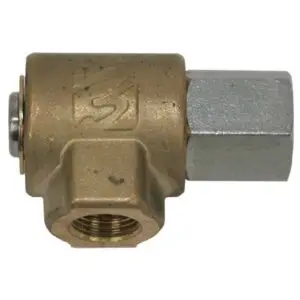
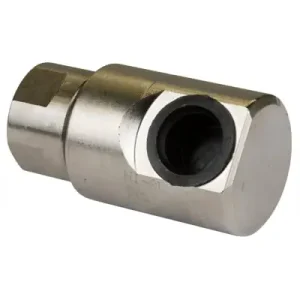
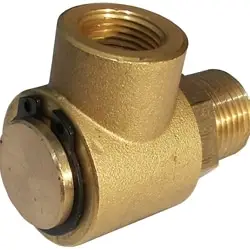
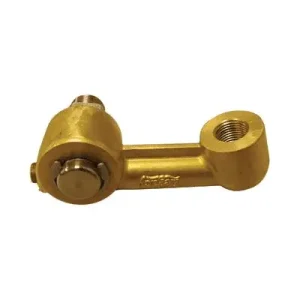
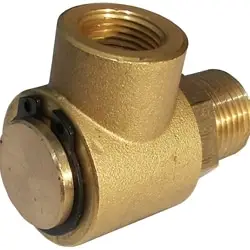
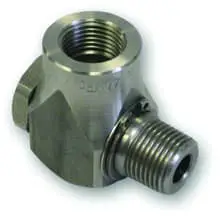
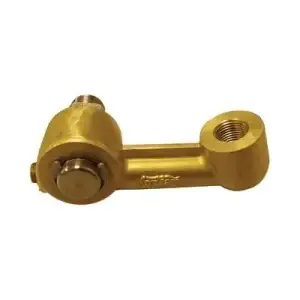
A hose reel swivel is the rotating joint that lets your reel turn while water or chemical flows. Picking the correct replacement prevents leaks, binding, and premature hose wear.
What a Hose Reel Swivel Does
- Maintains a sealed flow path while the drum rotates.
- Protects hose from twist and flat-spotting during wind/unwind.
- Interfaces between fixed plumbing and the rotating reel hub.
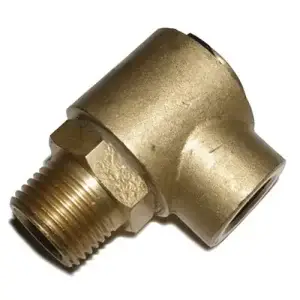
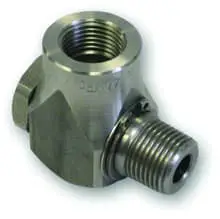
Confirm the swivel’s thread type, size, orientation (straight vs 90°), material, seal type, and pressure/temperature ratings against your system before ordering.
Choose by Application
Pro Pressure‑Wash (3/8 in)
- Most pro rigs use 3/8 in NPT connections.
- Match or exceed your washer’s working pressure and the reel’s rating.
- Pick straight or 90° to minimize hose strain on your layout.
High‑Flow Rigs (1/2 in)
- Use 1/2 in swivels where higher GPM or long hose runs need lower pressure drop.
- Confirm hub/riser size on the reel before stepping up flow size.
- Select straight bodies for maximum flow or 90° where clearance is tight.
Chemical / Soft‑Wash
- Prefer stainless bodies for corrosion resistance.
- Choose seals specified for your chemistry (EPDM or PTFE are commonly used for sodium hypochlorite). Always verify with the product spec.
- Rinse with fresh water after chemical use to extend service life.
Water Feed / Low‑Pressure
- Garden‑hose (GHT) swivels are for supply water, not the high‑pressure side.
- Check temperature limits if feeding hot water.
- Use brass or stainless based on environment and corrosion exposure.
Sizing & Thread Reference
| Connection & Orientation |
Common Use |
Typical Working Range |
Material / Seal Notes |
| 3/8 in NPT(F) × 3/8 in NPT(M), 90° |
Most pressure‑wash reels; compact routing |
Match system; high‑pressure options available |
Brass or stainless body; verify seal type and temp |
| 3/8 in NPT(F) × 3/8 in NPT(M), straight |
Pressure‑wash where lowest restriction is desired |
Match system; check reel and hose ratings |
Stainless recommended in corrosive environments |
| 1/2 in NPT(F) × 1/2 in NPT(M), straight |
High‑flow or long hose runs |
Match system; choose for required GPM |
Confirm hub/riser size and seal compatibility |
| 3/4 in GHT (garden hose), 90° |
Cold‑water supply feed |
Low‑pressure service only |
Brass or stainless; check temperature rating |
Never exceed the lowest rated component (machine, hose, reel, swivel). Pressure and temperature limits must all meet or exceed your application.
Maintenance & Troubleshooting
- Leak at the swivel body or weep hole usually indicates worn seals—replace the swivel.
- Hard turning or squeal during winding suggests internal wear—inspect alignment and replace as needed.
- Frequent seal failures can point to chemical incompatibility—confirm body and seal materials match your fluid and temperature.
- Use appropriate thread sealant or tape for the fluid and temperature; do not overtighten.
After using sodium hypochlorite or other aggressive chemistries, flush the reel, swivel, and hose with fresh water to help maximize service life.
From the Learning Center
Need help matching a swivel to your reel?
Our equipment specialists can help you confirm threads, materials, and ratings so you get a leak‑free, long‑lasting replacement the first time.
Talk to an Equipment Specialist