Storage Tanks for Pressure Washer Systems: Sizing and Setup Guide
What you’ll find in this category
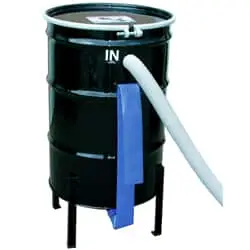
Storage tanks support reliable water supply and organized chemical handling on trailers, trucks, skids, and fixed installs. Typical options include baffled water buffer tanks for pump supply and dedicated detergent tanks to isolate chemicals from your main water source.
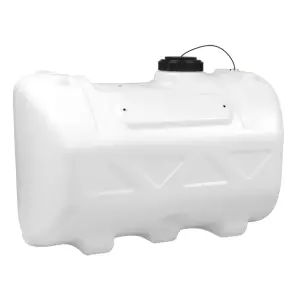
Water Buffer Tanks
Atmospheric tanks that feed your pump and smooth out variations in site water flow. Common on mobile and shop systems.
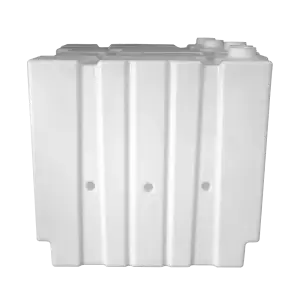
Baffled Transport Tanks
Internal baffles help limit liquid surge during starts, stops, and turns while also reducing turbulence that can introduce air into the suction line.
Detergent/Chemical Tanks
Separate tanks for soaps and additives prevent cross‑contamination. Often plumbed with dedicated pickup lines and metering.
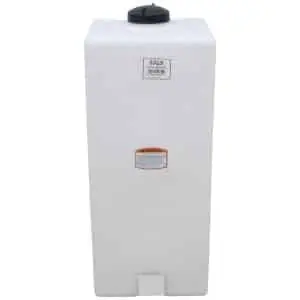
Space‑Saving/Leg & Rectangular Tanks
Footprint‑friendly shapes that fit between wheel wells or along bulkheads to keep weight low and equipment accessible.
Right‑size your water buffer tank
Plan tank volume against your machine’s rated flow (GPM) and expected water supply. The example ranges below reflect a common engineering guideline to provide a multiple of the pump’s rated flow so the inlet always sees a steady, air‑free supply.
| Pump flow (GPM) |
Example planning volume (gal) |
| 2.5 |
15–25 |
| 4.0 |
24–40 |
| 5.0 |
30–50 |
| 8.0 |
48–80 |
| 10.0 |
60–100 |
When supply is inconsistent, add extra capacity. Multiple machines fed from one tank also require more volume and dedicated plumbing per pump.
Plumbing best practices
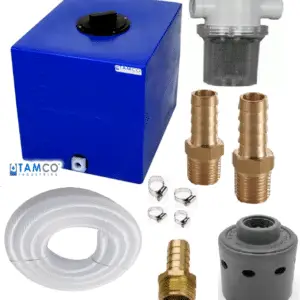
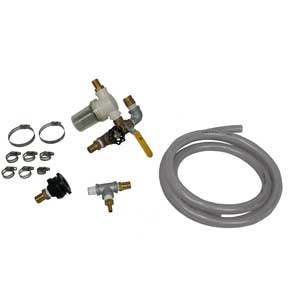
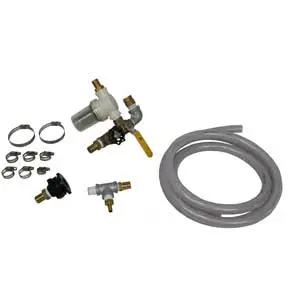
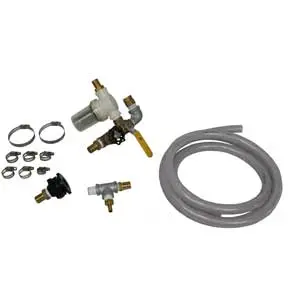
- Use flexible inlet hose at least one size larger than the pump’s inlet port to minimize restriction.
- Install an inlet filter/strainer before the pump. Keep the tank covered and properly vented.
- Return unloader bypass water to the tank. Use a diffuser and place the return away from the suction pickup to limit aeration.
- If bypass must loop to the pump inlet, add a thermal relief valve and avoid extended idling in bypass.
- Keep suction runs short and straight. Avoid hard 90° fittings and unnecessary reducers.
- For multi‑pump systems, run separate inlet lines from the tank to each pump.
Mobile rigs and transport
Position tanks low and centered to keep the vehicle’s center of gravity down. Baffled tanks reduce surge forces and help protect mounts and plumbing. Use rated straps or frames, protect hoses from abrasion, and verify clearances around lids, bulkheads, and valves.
Always secure tanks and plumbing before transport. Partially filled, unbaffled tanks can create strong sloshing forces during braking and turns.
Care and off‑season storage
Periodically flush tanks and lines, inspect bulkheads and gaskets, and keep lids sealed between jobs. Store chemicals in dedicated containers and avoid mixing products in a common tank. Before freezing weather, drain tanks and lines or follow your winterizing procedure.
Learn more
Get a tank plan matched to your rig
Need help selecting capacity, baffle style, or plumbing kits for one or more machines? Our team will map the layout and specify components that work together.
Talk to an Equipment Specialist