Dust Brushes for Pressure Washing: Selection and Use Guide
What is a dust brush?
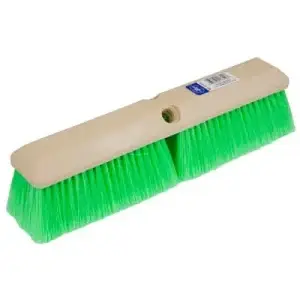
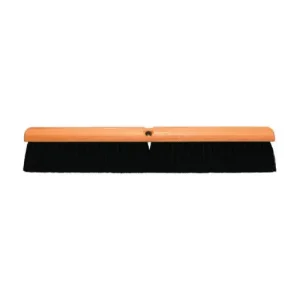
Dust brushes are ultra-soft wash brushes designed to lift light, loose soils before or during low-pressure washing. They are commonly used on painted vehicle finishes, RV gelcoat, glass, solar panels, and smooth siding where gentle contact is required.
Rinse heavy grit off first. Using a dust brush on a sand-covered surface can drag particles and create swirl marks.
Choose the right bristle
Ultra‑Soft Natural or Flagged Poly
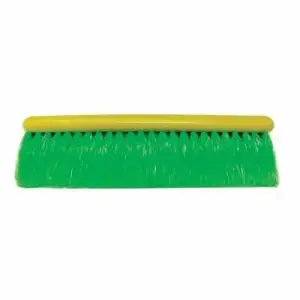
Boar’s hair and flagged (split‑end) polypropylene feel very soft at the tips and glide easily on delicate finishes. They excel at lifting dust, pollen, and road film when paired with soap and low pressure.
Soft Synthetic (Nylon/Polypropylene)
Durable, chemical‑tolerant synthetics are a good all‑around choice for frequent use. They balance softness with resilience and are suitable for fleet wash, windows, and general exterior cleaning.
Flagged vs. Unflagged Tips
Flagged bristles have split ends that increase surface contact and feel softer; unflagged bristles rinse a bit faster and can feel slightly stiffer. For true dusting, flagged tips are typically preferred.
Block Material & Shape
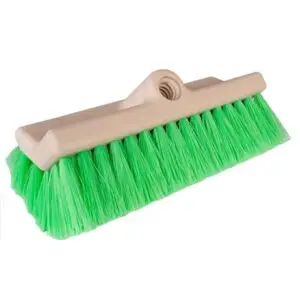
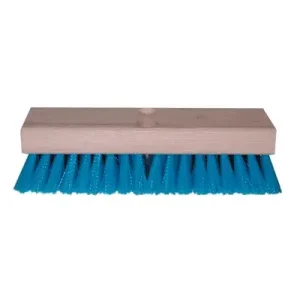
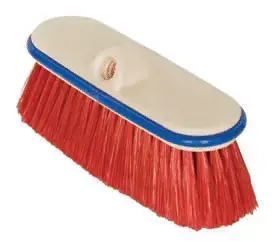
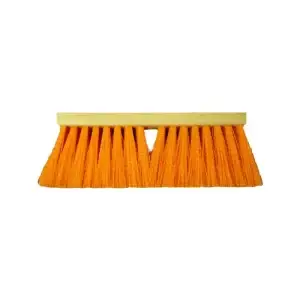
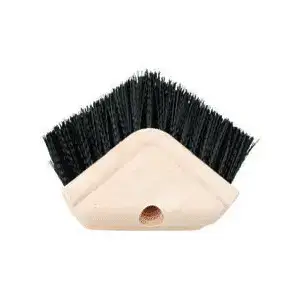
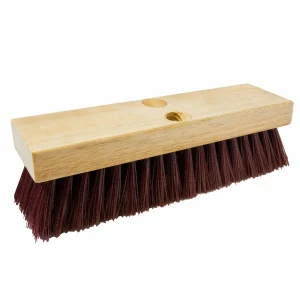
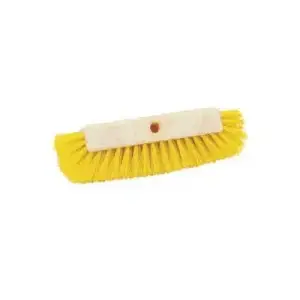
Choose blocks with rounded edges and wrap‑around bristles to protect trim and reach contours. Rectangular blocks cover area quickly; bi‑level blocks improve contact on vertical and angled panels.
Flow‑through vs. bucket‑dip
Flow‑Through (Water‑Fed)
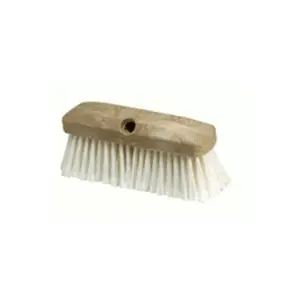
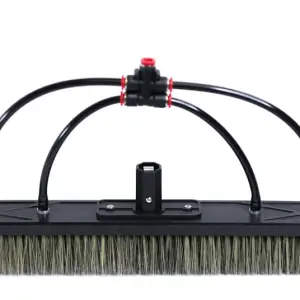
Channels water through the block to constantly flush the surface and bristles. Great for tall vehicles, windows, and solar where continuous rinsing helps prevent dragging soils.
Non‑Flow (Bucket‑Dip)
Simpler and lighter with fewer parts. Ideal when working from a wash bucket, foamer, or low‑pressure rinse where on‑demand water flow is not required.
Recommended pairings by surface
| Surface |
Recommended bristle |
| Automotive clear coat, RV gelcoat |
Ultra‑soft flagged poly or natural fiber |
| Glass and solar panels |
Soft flagged synthetic with consistent water flow |
| Painted metal, powder coat, smooth siding |
Soft synthetic (flagged), bucket‑dip or flow‑through |
Handle & pole compatibility
Most brush blocks fit common screw‑on handles or telescoping poles. If you use a water‑fed setup, match the brush to a compatible flow‑through pole and hose connection. Always confirm the thread type and width listed on the product page before ordering.
Operating tips for best results
- Pre‑rinse to remove grit, then suds and glide the brush with light pressure.
- Work from top to bottom; rinse the brush frequently to release captured soils.
- Avoid pressing hard to “scrub” stuck debris—soft bristles are for lifting, not scouring.
- Do not expose brushes to the direct high‑pressure nozzle blast at close range; this can splay bristles and shorten service life.
Care & maintenance
- Rinse thoroughly after use; wash bristles with mild soap if residue remains.
- Store bristles‑down or hang to keep their shape; allow to dry between uses.
- Avoid prolonged exposure to harsh solvents or high heat.
- Retire brushes with matted or sharp‑edged tips to maintain finish safety.
Need help matching a brush to your rig?
Our team can help you choose the right bristle, block, and pole combination for your surfaces and workflow.
Talk to an Equipment Specialist