
Float Valves
Brand
Price
- (8)
- (2)
Showing all 10 resultsSorted by popularity
-
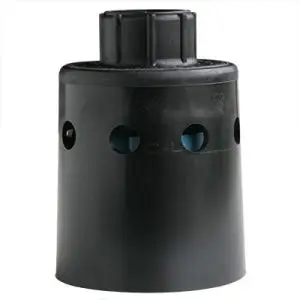
Hudson Float Valve (1 in.)
$47.97 -
-
-
-

-
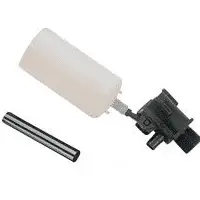
Suttner ST-8 Float Valve
$41.97 -
-
-

-
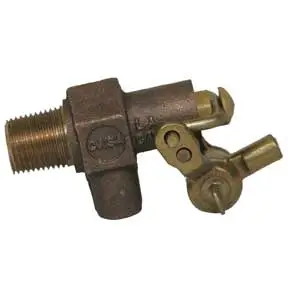
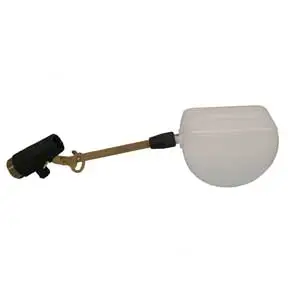
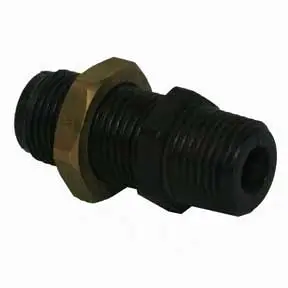
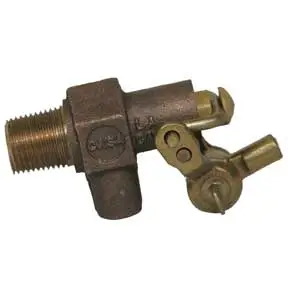
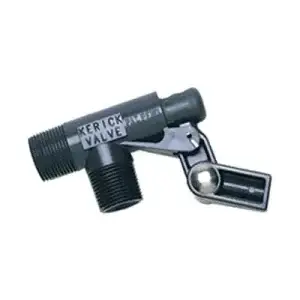
Float Valves for Pressure Washer Float Tanks
What a float valve does
A float valve automatically opens to refill your tank and closes when the preset water level is reached. In a pressure washer setup, this steady water level helps prevent pump starvation, cavitation, and nuisance overflows while giving the unloader bypass a stable place to return.
Healthy tank level = consistent inlet flow. That means smoother priming, fewer air pockets, and better pump protection during stop‑and‑go work.
Choose the right float valve
Connection size and thread
Match the valve to your tank bulkhead and supply hose. Most pressure washer tanks use NPT threads—verify the size and whether you need a male or female connection.
- Confirm bulkhead thread type and size before ordering.
- Avoid undersized adapters that restrict inlet flow.
- Use thread sealant appropriate for your water and materials.
Material and water temperature
Choose materials that suit your water quality and temperature. Brass or stainless steel is commonly selected for higher temperatures or rugged use; polymer bodies are often used for lighter-duty, cold-water applications. Always confirm the product’s temperature and pressure ratings.
- Select corrosion-resistant materials for hard or chemically treated water.
- Verify maximum temperature and pressure in the product specs.
- Replace waterlogged floats; they can prevent full shutoff.
Valve style
Both mechanical arm-and-float and compact diaphragm-style valves regulate level effectively when sized correctly. Electric float switches paired with a solenoid are another option where remote control is preferred.
- Arm-and-float: simple, visible adjustment and service.
- Diaphragm: compact footprint, reduced splash at shutoff.
- Float switch + solenoid: for electrically actuated shutoff when appropriate.
Flow capacity and supply pressure
Capacity must keep up with your machine’s maximum water draw. Higher-flow valves reduce refill time, but the supply line and available pressure must support it.
- Check that your inlet hose size and supply pressure are adequate.
- Inspect valve orifices for debris if refill seems slow.
- Size for peak demand, not just average use.
| Compatibility check | Why it matters |
|---|---|
| Thread type/size matches tank bulkhead | Prevents leaks and misalignment that restricts flow. |
| Float travel is unobstructed | Ensures reliable open/close action and full shutoff. |
| Supply hose sized for demand | Helps avoid starvation and cavitation at the pump inlet. |
| Bypass return positioned below waterline | Reduces turbulence, aeration, and splash near the float. |
| Material rating suits water temperature | Protects seals and extends service life. |
Installation basics
- Shut off water, relieve pressure, and drain the tank to a safe level.
- Mount the valve at the desired full level; keep the float clear of baffles and plumbing.
- Apply thread sealant appropriate for the materials; tighten without stressing the tank wall.
- Orient the float/arm per instructions and verify full range of motion.
- Connect the supply line; support plumbing to minimize vibration.
- Flush the line, open supply, and check for leaks.
- Confirm shutoff by manually lifting the float and observing closure.
Lock out power to any connected equipment and close the water supply before service. Keep chemical induction lines and bypass returns positioned so they cannot interfere with float movement.
Maintenance and troubleshooting
- Inspect periodically for mineral scale, debris at the seat, and worn seals.
- Rinse or replace strainers/screens to maintain valve flow.
- Test shutoff action by lifting the float; adjust height as needed.
| Symptom | Likely cause | Quick check |
|---|---|---|
| Pump starvation or cavitation | Insufficient inlet flow, obstructed valve, or undersized hose | Verify tank level, observe float travel, confirm hose sizing and clean screens |
| Tank overfills | Debris on seat, worn seal, or misadjusted float height | Clean the seat, replace seals, and reset the float level |
| Chatter or water hammer | High supply pressure or unsupported plumbing | Support lines, check supply pressure, or consider a compatible diaphragm-style valve |
Helpful resources
Not sure which float valve fits your setup?
Our team can help you match thread size, material, flow capacity, and valve style to your tank, water supply, and pressure washer demand.