


Commercial Gas Pressure Washers
Commercial gas pressure washers are built for outdoor, mobile and remote cleaning where dependable power and jobsite flexibility matter. They are a strong fit for contractors, construction crews, agriculture, fleet washing, property maintenance and other work where suitable electrical service is unavailable.
PowerWash.com carries portable and skid-mounted gas pressure washers across a range of PSI, GPM and drive configurations. Compare water flow, pressure, pump type, engine, fuel capacity, starting system, dimensions and expected weekly use before choosing.
Gas equipment should be operated outdoors in accordance with the manufacturer’s instructions. Buyers should also confirm model-specific emissions compliance, especially for California.
Brand
Price
- (3)
- (6)
- (3)
- (1)
- (2)
- (3)
- (3)
- (3)
Drive
- (7)
- (1)
Max Flow
Mobility Type
- (7)
- (3)
Motor Make
Motor Power Rating
Product Grade
- (11)
Washer Type
Washer Power
- (1)
- (11)
Showing 1–20 of 35 resultsSorted by popularity
-
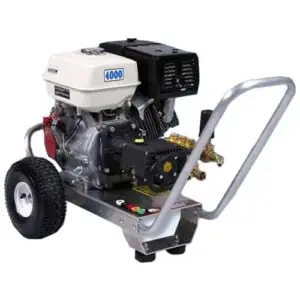
Honda Powered Eagle Series EZ 4000 PSI Gas-Powered Pressure Washer
$1,954.97
As low as $48.87/mo -
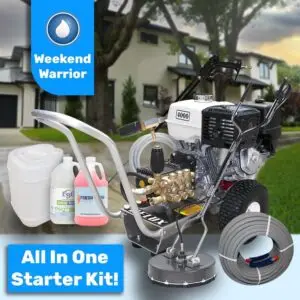
Weekend Warrior- Residential Cleaning House Washing Business Starting Pack
From $2,971.47
As low as $74.29/mo -
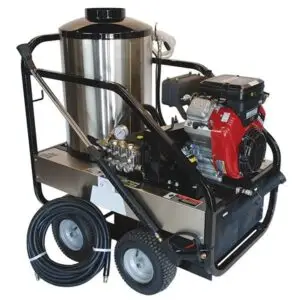
DELUX ® RK47-5030-C Series Gas-Powered Hot Water Pressure Washer
$10,020.47
As low as $250.51/mo -
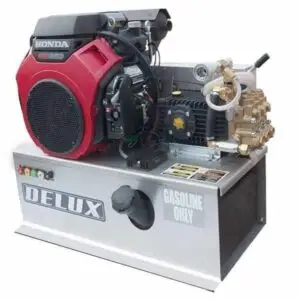
Delux® Prowler DP-8035D Series Vanguard (8 GPM @ 3,500 PSI)
$6,845.00
As low as $171.13/mo -
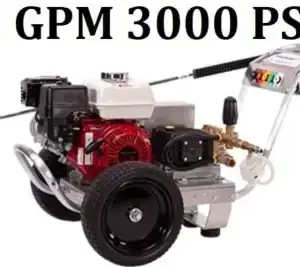
Powerful EB5030HG-20 Cold Water Pressure Washer – Clean Faster & Easier!
$2,999.47
As low as $74.99/mo -
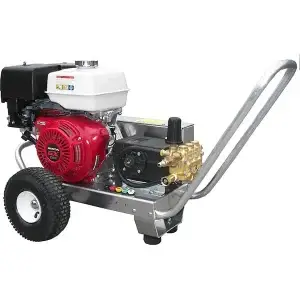
EB4040HG Gas Pressure Washer (4 GPM @ 4,000 PSI)
$2,521.97
As low as $63.05/mo -
Delux Prowler DP-8030D Series (8 GPM @ 3,000 PSI)
$8,267.87
As low as $206.70/mo -
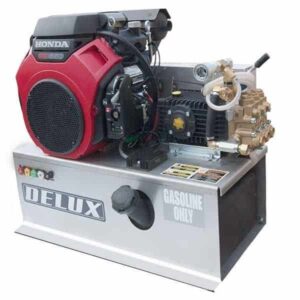
DELUX PROWLER DP-1025D SERIES (10 GPM @ 2,500 PSI)
$7,999.97
As low as $200.00/mo -
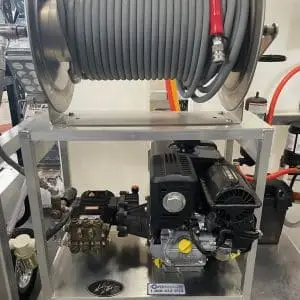
Mustang Pressure Wash System 5 GPM 4000 PSI – Approved for Drone Use
$3,877.87
As low as $96.95/mo -
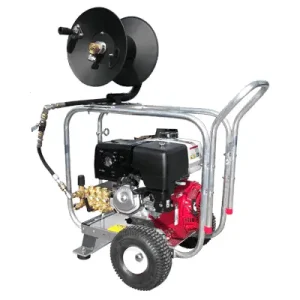
Pro-Jet GX390 Drain Cleaning Pressure Washer Kit – Professional Grade Cleaning Power
$2,834.97
As low as $70.87/mo -
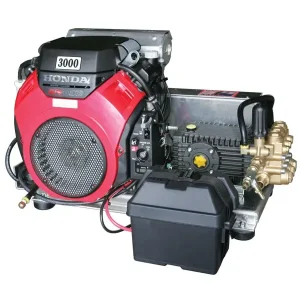
VB8030HGEA406 Cold Water Pressure Washer Belt Drive- 8 GPM @ 3000 PSI
$7,082.97
As low as $177.07/mo -
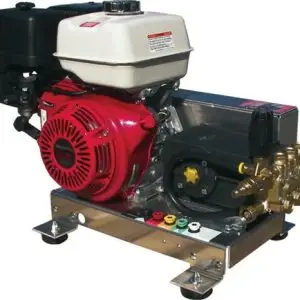
Honda 3000 PSI 5 GPM Skid Pressure Washer – Commercial
$2,948.97
As low as $73.72/mo -
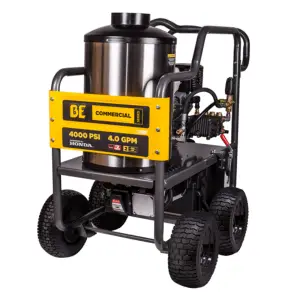
BE 4000 PSI @ 4.0 GPM Hot Water Pressure Washer
$6,589.42
As low as $164.74/mo -
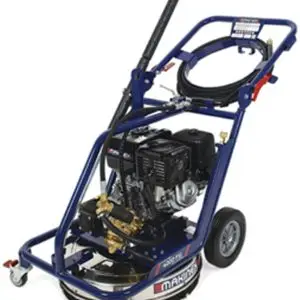
Dual Pressure Washer 4,0000 Vanguard
$5,075.00
As low as $126.88/mo -
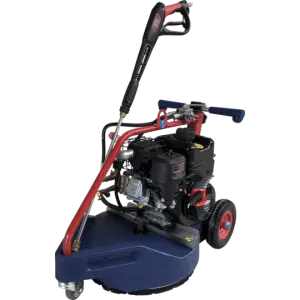
Dual Pressure Cleaner 2200 PSI
$2,800.00
As low as $70.00/mo -
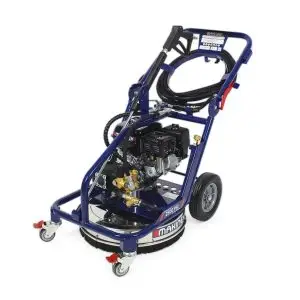
Dual Pressure Washer 2,0000 PSI
$3,325.00
As low as $83.13/mo -
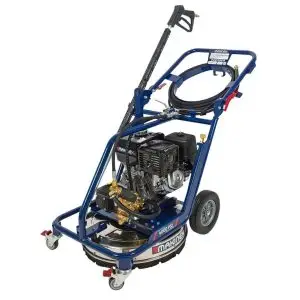
Dual Pressure Washer 4,0000 PSI
$5,687.50
As low as $142.19/mo -
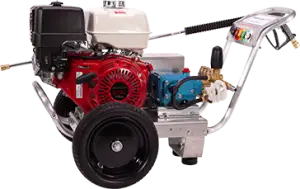
Belt drive 4 gpm 4000 PSI pressure pro cart pressure washer with a Honda engine
$2,942.42
As low as $73.56/mo -
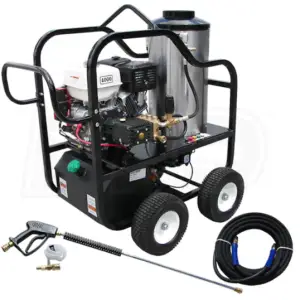
Pressure Pro 4012-42KV Hot Shot Series 4 Gpm 4200 Psi Viper Pump Direct Drive Kohler Engine
$5,999.97
As low as $150.00/mo -
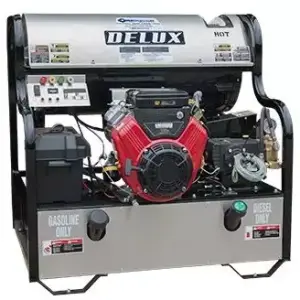
RK43-8035-C
$12,314.97
As low as $307.87/mo
Commercial Gas Pressure Washer Buying Guide
A commercial gas pressure washer gives contractors the freedom to work away from electrical service. That makes gas a practical choice for mobile routes, construction sites, agricultural equipment, large properties and other outdoor jobs where portability and production speed matter.
The best machine is not automatically the one with the highest PSI. Start with the work, required GPM, weekly run time and deployment method. Then compare pump design, drive type, engine features, fuel capacity and serviceability.
When Gas Is the Right Choice
Choose gas when the machine must travel between jobs, operate at remote sites or deliver commercial output without relying on the customer’s electrical service. Gas units are commonly available in portable and skid-mounted configurations and can support high-flow contractor work.
Gas may not be the right choice for indoor facilities, enclosed spaces or locations where engine noise, exhaust or fuel storage are concerns. In those environments, compare electric commercial pressure washers.
Equipment selection tip: Choose gas for mobility and outdoor independence—not simply because it sounds more powerful. Some commercial electric systems can deliver substantial PSI and GPM when the correct electrical service is available.
Gas vs. Electric Commercial Pressure Washers
| Feature | Gas | Electric |
|---|---|---|
| Best environment | Outdoor and remote jobsites | Indoor or fixed-site work |
| Power requirement | Gasoline engine | Suitable voltage and amperage |
| Mobility | High; no power cord | Limited by electrical service and cord |
| Noise and exhaust | Engine noise and exhaust | Quieter with no engine exhaust |
| Maintenance | Engine, fuel system and pump | Motor and pump; generally less engine-related maintenance |
Need indoor or fixed-site operation? Compare electric commercial pressure washers.
Need broader equipment guidance? Return to commercial pressure washers.
PSI vs. GPM for Contractor Production
PSI supplies the force that loosens stubborn buildup. GPM provides the water volume that rinses debris away and affects how quickly large areas can be completed.
Commercial buyers often focus too heavily on pressure. For concrete, fleets, equipment and production work, additional GPM may improve speed more than simply increasing PSI. The correct balance depends on the surface, nozzle, soil and cleaning method.
Belt Drive vs. Direct Drive
Direct-drive machines connect the pump closely to the engine. They are compact, economical and often easier to transport, making them a practical choice for lighter or intermittent weekly use.
Belt-drive machines use belts and pulleys to operate the pump at a lower speed. This can reduce heat and vibration and is one reason belt-drive units are common in heavier commercial and industrial applications. Mi-T-M uses approximately 20 or more operating hours per week as a rule of thumb for considering belt drive, but buyers should follow the specifications for the exact machine.
Portable or Skid-Mounted?
Portable Gas Pressure Washers
Portable units are best for contractors who need to load, unload or reposition one machine across varied jobsites.
Best for: Mobile contractors, property maintenance and varied outdoor work.
Confirm weight, frame size, tire type and how the unit will be transported.
Skid-Mounted Gas Systems
Skid systems keep the pressure washer, tank, hose reels and supporting equipment mounted and organized on a service vehicle.
Best for: Daily routes and contractors who want a ready-to-work mobile setup.
Common Commercial Applications
| Application | What to Prioritize |
|---|---|
| Concrete and flatwork | Adequate GPM, suitable pressure and surface-cleaner compatibility |
| Construction and rental yards | Durability, portability, serviceability and dependable outdoor operation |
| Agriculture and heavy equipment | Strong rinse volume, mobility and components suited to demanding environments |
| Fleet washing | Balanced PSI/GPM, chemical application and a setup suited to repetitive work |
| Property maintenance | Portable equipment, versatile output and easy transport between locations |
| Paint preparation and restoration | Controlled pressure, nozzle selection and dependable commercial components |
Engine, Fuel and Emissions Considerations
Review the exact engine model, fuel capacity, starting system, low-oil protection, maintenance schedule and parts availability. Never assume every gas pressure washer uses the same fuel recommendation; follow the engine manual.
Some products are 49-state models and cannot be sold in California. Others are 50-state compliant. Confirm the compliance statement on the exact product before purchasing.
Maintenance and Storage
Follow the manual for the specific engine, pump and pressure washer. General areas include engine oil, air filter, spark plug, fuel system, pump oil where applicable, inlet filter, hoses, couplers, nozzles, belts where applicable and freeze protection.
Do not let a pressure washer run without an adequate water supply. Avoid extended bypass operation, which can cause heat buildup in the pump. For seasonal storage, follow the manufacturer’s fuel and winterization instructions rather than relying on one universal procedure.
Carbon Monoxide and Indoor Use
Gasoline engines produce carbon monoxide and must not be operated indoors or in enclosed spaces. Operate the machine outdoors according to the manufacturer’s clearance and ventilation instructions. Do not assume an open door or fan makes indoor use safe.
Common Buying Mistakes
- Choosing by PSI alone and ignoring GPM and duty cycle
- Buying a residential gas washer for daily commercial use
- Choosing direct drive when the expected weekly workload favors belt drive
- Buying a skid or portable unit without planning transport, water supply and hose-reel placement
- Ignoring engine service, pump service and replacement-parts availability
- Assuming every gasoline model is legal for sale in California
- Using gas equipment indoors or in enclosed areas
- Leaving fuel in storage without following the engine manufacturer’s instructions
Before You Buy
Confirm PSI, GPM, pump type, drive system, engine model, starting method, fuel capacity, dimensions, weight, hose length, nozzle compatibility, water-supply requirements, weekly duty cycle, warranty and parts availability.
Also decide whether the machine will remain portable or become part of a truck or trailer system. A machine that fits the work but not the vehicle, water supply or daily workflow will create avoidable problems.
Need Help Choosing a Commercial Gas Pressure Washer?
PowerWash.com can help compare flow, pressure, pump design, drive type, engine and mounting configuration so the machine fits your work, transport setup and expected weekly use.
Contact the PowerWash.com contractor support team for help choosing the right equipment.
Commercial Gas Pressure Washers FAQ's
No. Some gasoline models are listed as 49-state products, while others are 50-state compliant. Confirm the compliance statement for the exact machine before purchasing.
There is no universal commercial size. Contractors should match PSI, GPM, pump type, drive system and duty cycle to the work. Large flatwork and fleet jobs often benefit from higher GPM, while stubborn buildup may require additional pressure.
Follow the exact engine, pump and machine manuals. General maintenance may include engine oil, air filter, spark plug, fuel system, pump oil where applicable, inlet filter, hoses, couplers, nozzles, belts and winterization.
No. Gasoline engines produce carbon monoxide and should not be operated indoors or in enclosed spaces. Use gas pressure washers outdoors according to the manufacturer’s instructions.
Belt drive is commonly preferred for heavier weekly workloads because the pump operates at a lower speed, which can reduce heat and vibration. Direct drive is more compact and economical and may be appropriate for lighter or intermittent use. Follow the manufacturer’s guidance for the exact unit.
Both matter. PSI supplies cleaning force, while GPM provides rinsing volume and affects production speed. For large-area commercial work, additional GPM may improve productivity more than simply increasing PSI.
Gas is often better for outdoor, mobile and remote work because it does not require a power cord or suitable jobsite electrical service. Electric can be better indoors or at fixed facilities because it is quieter, lower-maintenance and produces no engine exhaust. The correct choice depends on the operating environment and available utilities.
Tools & Articles
Winter Pressure Washing Maintenance Checklist Prepared for Contractors by PowerWash.com. Winter is the most important time of year to protect ...
Hot water power washing systems are a cornerstone of effective cleaning, offering distinct advantages over traditional cold water methods. By ...
Pressure washer specifications can be confusing when you are comparing PSI, GPM, nozzle size, heat and chemical capability. Each number ...