Washwater Recovery: What to Buy and How to Choose
Effective washwater recovery is a plan for where water goes and how it gets there. The right setup typically combines three elements: containing the water, collecting it with vacuum or pumping tools, and pre‑treating it before discharge to an approved destination. The products in this category are organized around that workflow so you can build a reliable, repeatable process.
Local rules vary. Many U.S. MS4 communities prohibit non‑stormwater discharges to storm drains and require capture of pressure‑washing wastewater. Confirm disposal options with your local sewer authority before each project.
What youll find in this category
Vacuum Recovery Tools & Pumps
Collect water where work happens, then move it to a holding tank or approved drain. Choose tools that match your surfaces and duty cycle.
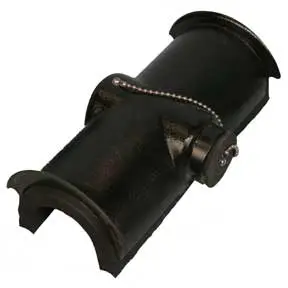
- Surface‑cleaner recovery hoods and vacuum attachments
- Vacuum scuppers, squeegee heads, and pickup tools
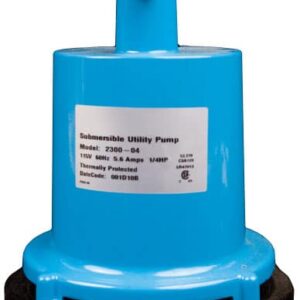
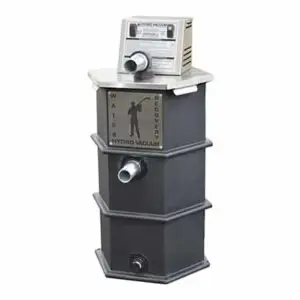
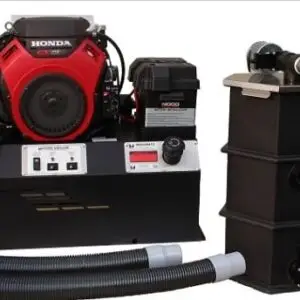
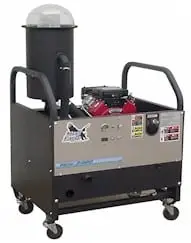
- Wet vacs, recovery vacuums, and transfer/sump pumps
Containment & Drain Protection
Keep water from reaching storm inlets while you work, then remove it under control.
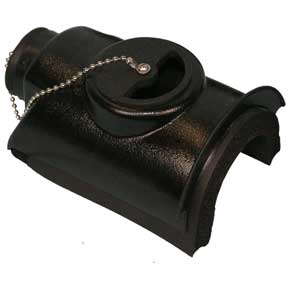
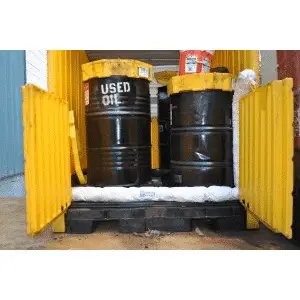
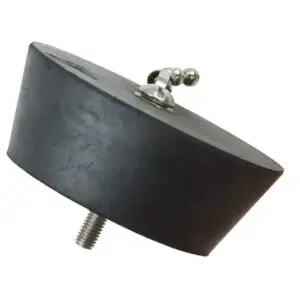
- Portable berms, dams, and weighted drain covers
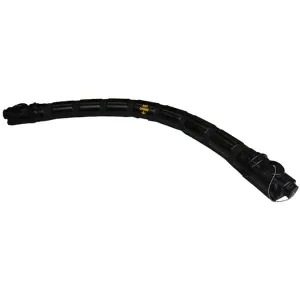
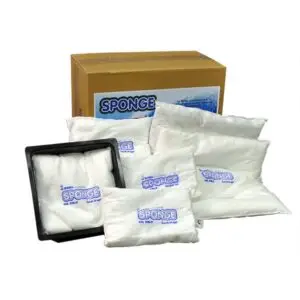
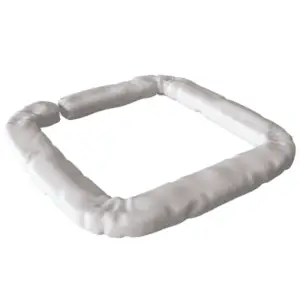
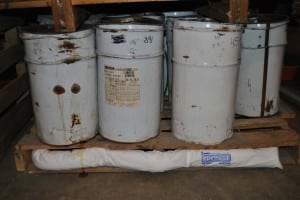
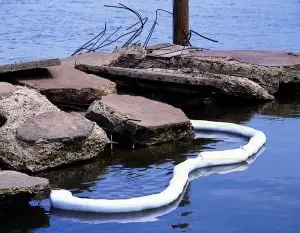
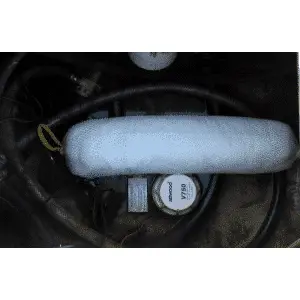
- Absorbent and oil‑selective booms for sheen control
- Pervious‑area diversion tools to route water where allowed
Filtration & Pretreatment
Reduce sediment and oils before discharge where pre‑treatment is required.
- Inline sediment filters and debris strainers
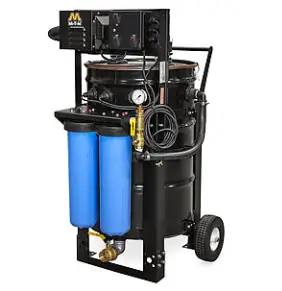
- Oil/water separation and media cartridges
- Filter bags, drain‑inlet baskets, and screens
Transfer Hoses, Fittings & Tanks
Move and stage recovered water safely between tools and disposal points.
- Recovery and discharge hoses with cam‑lock fittings
- Temporary holding tanks and automatic shutoff floats
- Adapters for approved sanitary‑sewer connections (where permitted)
Shop Pressure Washer Hoses
How to choose the right recovery setup
Match equipment to the job conditions you face most often. Think in terms of flow path, not parts list: contain 6 collect 6 pre‑treat 6 discharge.
| Typical scenario |
Collection focus |
Suggested approach |
Notes |
| Storefronts, sidewalks, drive‑thrus |
Shallow sheet flow |
Weighted drain cover, berm or boom to block inlets; surface‑cleaner recovery tool to a wet vac or recovery vacuum |
Keep hose runs short; strain debris before the vacuum |
| Parking decks, garages |
Multiple low spots and curbs |
Portable berms to direct flow; vacuum scupper or squeegee pickup to a transfer pump and holding tank |
Plan for elevation changes and longer discharge hoses |
| Fuel islands, equipment pads |
Oil sheens and drips |
Absorbent/oil‑selective boom ahead of the pickup point; sediment prefilter then oil/water separation media |
Dispose of spent absorbents per local rules |
| Heavy soils or post‑construction cleanup |
Sediment and fines |
Staged filtration: coarse screen at the tool, then inline sediment bag before discharge to approved destination |
Protect pumps with strainers; monitor filter loading |
Setup checklist
- Identify storm inlets and natural flow paths before you start.
- Place berms, booms, or drain covers to isolate the work area.
- Position recovery tools at the low side; keep suction hoses as short and straight as practical.
- Strain debris at the tool, then add sediment and oil media as your jobs require.
- Stage a holding tank if sewer discharge is not immediately available or allowed.
- Verify disposal method and any local pre‑treatment limits with your authority.
- Document where water went and how it was managed.
Do not discharge washwater to storm drains, gutters, ditches, or surface waters. Where sanitary‑sewer disposal is permitted, use approved connections and follow local pre‑treatment and notification requirements.
Training and resources
Build your team6s confidence with how‑to articles and checklists.
Explore the PowerWash Learning Center
Need help sizing a recovery system?
Tell us about your typical jobs, water volumes, and disposal options. We6ll recommend recovery tools, containment, and filtration that fit your workflow and local rules.
Talk to an Equipment Specialist