
Booms
Brand
Price
- (5)
- (9)
- (1)
Showing all 15 resultsSorted by popularity
-
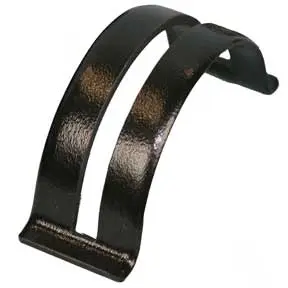
Clip for Vacu-Boom
$69.97 -

Silt Filter 48″
$60.97 -
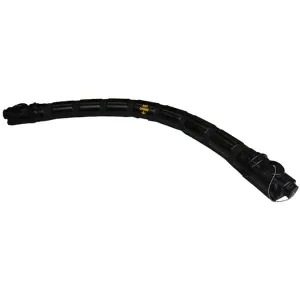
Vacu-Boom Waste Water Capture / Reclaim Tube
From $1,299.97
As low as $32.50/mo -
-
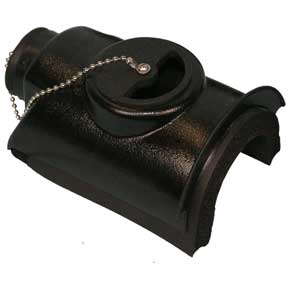
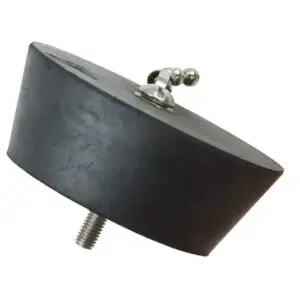
End Caps for Vacu-Boom
$299.97 -

-
-

-

-

-

Center Trap for Vacu-Boom
$175.25 -

-
-
-
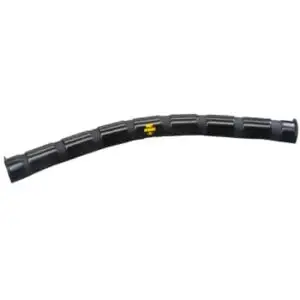
5-Foot Midsection for Vacu-Boom
$829.97
Booms for Wash Water Capture: Selection and Setup Guide
Use this guide to choose and deploy wash water booms on jobsites where surface cleaning runoff must be contained, diverted, and recovered. The goal is simple: keep water where you can manage it and away from storm inlets and sensitive areas.
Common boom types in this category
Non‑absorbent containment booms
Urethane or neoprene dikes/booms create a temporary dam to block and redirect wash water on flat, relatively smooth surfaces. Choose these when you will vacuum, pump, or squeegee collected water for proper disposal.
Oil‑only sorbent booms
Polypropylene sorbent booms target petroleum sheens and fuel residues while repelling water. Place around a nearby drain or along the curb to capture oily films without taking up large volumes of water.
Universal sorbent socks
General‑purpose absorbent socks take in a mix of oils and water‑based liquids. They are useful for small leaks and edge control but will saturate quickly if used as the primary dam for flowing wash water.
Foam‑filled barrier booms
Low‑profile, foam‑filled barriers help deflect and slow light flows on smoother slabs. They are best for short runs where you need gentle diversion toward a collection point.
Quick selection checklist
- Define the primary goal: block and divert flow, or absorb a sheen/residue.
- Match boom height to expected water depth with safety margin.
- Confirm chemical compatibility with detergents and site residues.
- Plan a recovery method (vacuum, pump, or squeegee) before placing booms.
- Use modular sections long enough to span the work area without leaving gaps.
- Inspect the surface; smoother slabs seal better and reduce bypass.
Sizing and placement basics
| Scenario | Primary goal | Useful boom features | Notes |
|---|---|---|---|
| Flat concrete pad | Create a perimeter dam | Non‑absorbent containment boom; modular sections | Direct water to a low spot for recovery. |
| Sloped driveway to curb | Divert flow along curb | Foam‑filled or non‑absorbent boom with good surface contact | Angle the boom to guide water to a collection point. |
| Nearby oily residue | Capture sheen at the inlet | Oil‑only sorbent boom or socks | Use as a polishing step; do not rely on these to dam bulk flow. |
| Irregular surface | Reduce bypass | Higher‑profile boom and shorter sections | Bridge small gaps with additional sections; monitor closely. |
Equipment Selection Notes: Non‑absorbent booms are most effective when paired with a planned recovery method. Oil‑only sorbent booms are specialized tools for hydrocarbon films—use them near drains or in low‑flow areas as a finishing control, not as the primary dam.
Setup steps for reliable containment
- Walk the site to identify slopes, low points, and storm inlets.
- Dry‑fit boom sections and connect them before wet operations begin.
- Press non‑absorbent booms firmly to improve surface contact; weight lightly if allowed by the product instructions.
- Create a deliberate low point where recovery equipment can access pooled water.
- Monitor during washing and adjust sections to eliminate bypass paths.
Care, reuse, and disposal
- Non‑absorbent booms: Rinse off residues after use, allow to dry, and store clean, out of direct sun.
- Absorbent booms: Replace when saturated. Handle and dispose of spent sorbents according to local regulations and the nature of the absorbed material.
- All types: Inspect for cuts, abrasion, or degraded connectors before the next job.
Want more runoff‑control strategies for complex sites? Visit our Learning Center for containment and recovery best practices.
Need help matching a boom to your jobsite?
Our team can help you pair the right boom type with recovery equipment for your surface, slope, and expected flow.