Residential Pressure Washers: Buyer’s Guide
How to choose the right home pressure washer
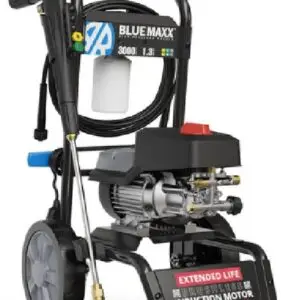
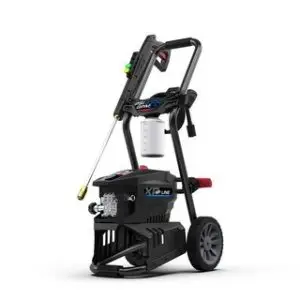
Two specs drive cleaning speed and capability: PSI (pressure) and GPM (flow). For typical home tasks, many electric models live in the 1,600–2,300 PSI range with about 1.2–2.0 GPM, while gas units often deliver around 2,500–3,200 PSI and 2.4–2.8 GPM. Balance both numbers for the jobs you do most, then select the right nozzle to keep surfaces safe.
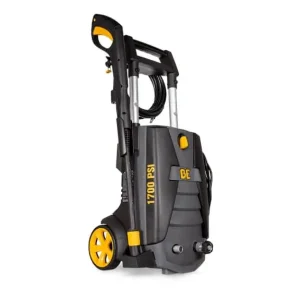
Electric for quiet convenience
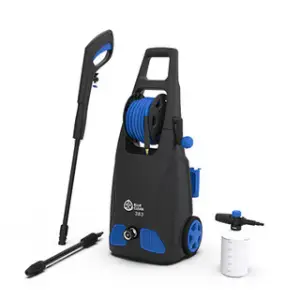
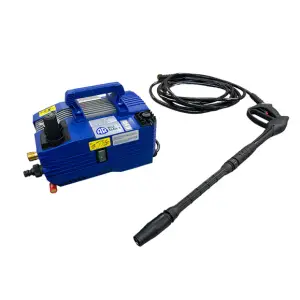
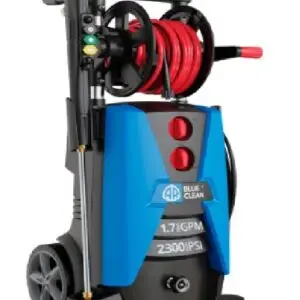
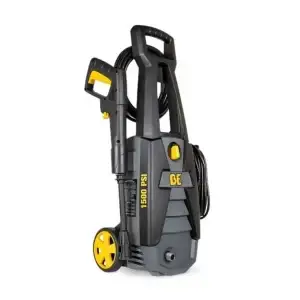
Great for vehicles, patio furniture, grills, and small patios. Plug-in operation, lower noise, and simple upkeep make electric a popular choice for routine weekend cleaning.
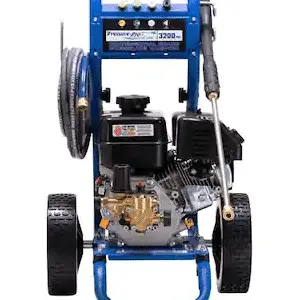
Gas for faster, tougher jobs
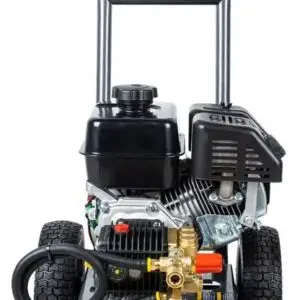
Ideal when you want more speed on larger driveways, stained concrete, or prepping surfaces. No cord means better reach, with higher PSI and GPM for stubborn grime.
Match nozzle to the task
Use 40° for delicate surfaces and rinsing, 25° for general cleaning, and 15° for heavy buildup on durable materials. Avoid zero‑degree nozzles; they concentrate force and raise the risk of damage.
Cold water covers most needs
Cold‑water machines handle common home soils. Hot‑water models speed removal of oils and grease but add weight and burner maintenance—usually unnecessary for routine residential use.
| Common home job |
Recommended type |
Typical PSI |
Typical GPM |
Notes |
| Cars, trucks, outdoor furniture |
Electric |
1,600–2,000 |
1.2–1.8 |
Use 40° tip; keep distance to protect finishes. |
| Patios, decks, vinyl siding |
Electric or Gas |
1,800–2,800 |
1.4–2.5 |
Work top‑down on siding; avoid forcing water upward into laps. |
| Large driveways, stubborn stains |
Gas |
2,800–3,200 |
2.4–2.8 |
Pair with a surface cleaner for even results and faster coverage. |
Start each job with the widest nozzle that cleans the surface, keep the spray moving, and test in a small, inconspicuous spot before you commit to the whole area.
Accessories that make home cleaning easier
Surface cleaner
Cleans patios and driveways in even, swirl‑free passes. Choose a size and rating that match your machine’s PSI/GPM.
Foam cannon or soap injector
Applies detergent at low pressure so chemistry can loosen grime before a gentle rinse. Use cleaners approved for pressure washers and the surface.
Hose, filters, and quick connects
Quality hoses, inlet filters, and stainless quick‑connects improve flow, reduce wear, and speed setup.
Extension and gutter tools
Reach higher safely from the ground. Avoid ladders while spraying; keep both feet planted and use proper extensions.
Setup, care, and storage
- Confirm your water supply meets the washer’s minimum inlet flow and hose size requirements.
- Use a grounded GFCI outlet for electric models; avoid extension cords unless your manual specifies the correct outdoor‑rated gauge and length.
- Rinse detergents thoroughly; never run the pump dry.
- Before freezing weather, protect the pump with a storage antifreeze/pump saver and store in a dry, frost‑free space.
- Inspect nozzles, hoses, and O‑rings regularly to maintain safe performance.
Never aim the spray at people, pets, or electrical outlets. Avoid zero‑degree tips and be cautious on soft wood, painted surfaces, and aging mortar.
Need Help Choosing the Right Pressure Washer?
Our equipment team can help you compare power source, PSI, GPM, accessories, and the best configuration for your cleaning needs.
Talk to an Equipment Specialist