0

Commercial Machines

Commercial pressure washer machines built for daily routes and tough jobs. Use this guide to compare platforms, power sources, and water temperature so you can choose the right setup for your team. If you need help tailoring a skid or trailer system, our equipment specialists can configure tanks, reels, and accessories that match your workflows and compliance requirements.

Featured Categories

Brand

Price

Drive

Max Flow

Mobility Type

Motor Make

Motor Power Rating

Product Grade

Washer Type

Washer Power

Showing 1–20 of 67 resultsSorted by popularity

Commercial Pressure Washer Machines: How to Choose the Right Setup

Commercial machines are built for reliability, productivity, and safety. The right choice depends on how you work: the surfaces you clean, where you operate (indoors vs. outdoors), and how long your crews run each day. Use this guide to narrow your options and plan a system that fits your routes and add-ons.

Start with your workload

  • Typical jobs and soils (building wash, flatwork, grease, fleet, food service, etc.).
  • Where you work (open air, garages, kitchens, campuses) and any ventilation limits.
  • Water access and recovery needs (on-site supply vs. onboard tank and reclamation).
  • Daily run time and productivity goals (flow for speed, pressure for agitation).
  • Transport and storage constraints (van, pickup, trailer, shop bay).

Choose your platform

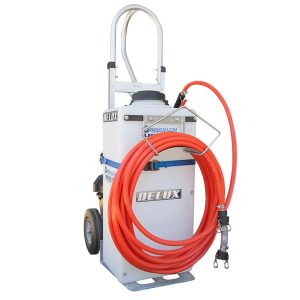
Portable Cart Units

Fast to deploy and easy to service. Ideal for smaller teams and mixed routes where you move from job to job in a van or pickup.

  • Compact footprint with straightforward maintenance.
  • Pairs well with surface cleaners and hose reels.

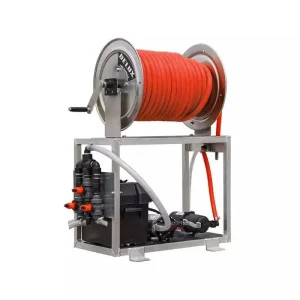
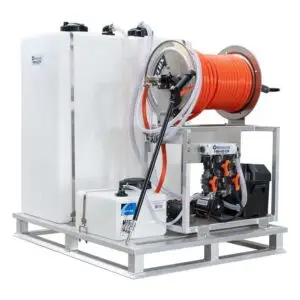
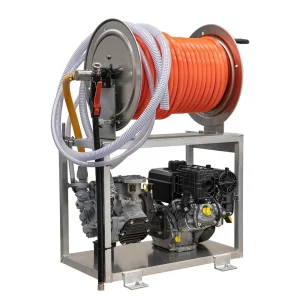
Skid Mounts

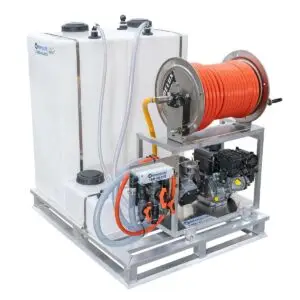
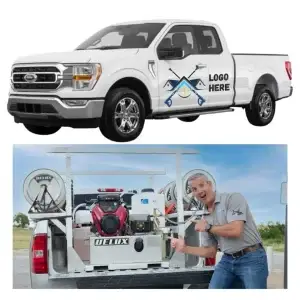
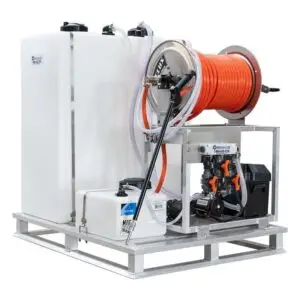
Bolts to a truck bed or trailer deck for a stable, high-output work station that stays organized and ready.

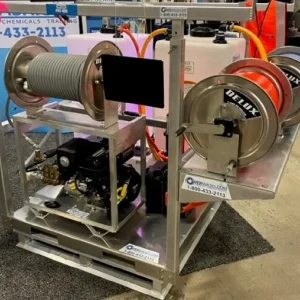
  • Supports larger tanks, reels, and filtration.
  • Great for daily, repeatable routes.

Trailer Systems

Turnkey mobility with integrated tanks and storage. Useful for longer routes, multi-operator days, and sites without water access.

  • DOT-ready frames with balanced weight and plumbing.
  • Room for accessories, lighting, and safety gear.

Enclosed / Cube Frames

Protects components from weather and tampering while reducing noise and visual impact for sensitive sites.

  • Security-friendly and tidy appearance.
  • Plan ventilation and exhaust routing appropriately.

Choose your water temperature

Hot Water

Helps break down grease, oils, and stubborn residues and can reduce dwell time on many commercial soils.

  • Common on skids and trailers with integrated burners.
  • Plan for burner maintenance and fuel storage.

Cold Water

Efficient for building washes and general maintenance when paired with the right detergents and nozzles.

  • Lower complexity and lighter weight.
  • Budget-friendly with broad attachment options.

Choose your power source

Gasoline Engines

Widely available and versatile for outdoor work. Common on portable carts and skids.

  • High power-to-weight for mobile crews.
  • Use outdoors with attention to exhaust safety.

Diesel Engines

Often paired with diesel-fired burners for single-fuel simplicity and extended service life expectations.

  • Favored on heavy-duty skids and trailers.
  • Heavier packages; verify transport capacity.

Electric (Single-Phase)

Zero on-site emissions with quiet operation. Suitable for indoor, food service, and ventilation-limited spaces.

  • Confirm available voltage and breaker capacity.
  • Often used in wall-mount or stationary installs.

Electric (Three-Phase)

For facilities with three-phase power that need high-output, low-noise operation in fixed locations.

  • Smooth power delivery for continuous-duty stations.
  • Coordinate with site electricians before install.

Selection quick-compare

Attribute Portable Cart Skid Mount Trailer System Enclosed / Cube
Mobility Highest job-to-job flexibility Vehicle-integrated, steady base Self-contained, road-ready Protected, low-visibility
Water Access On-site supply; add tank as needed Supports larger tanks and reels Large onboard tank options Stationary or vehicle-mounted
Best For General maintenance, residential routes Daily commercial routes, fleets, campuses Long routes, remote sites, multi-operator Facilities, municipalities, secured areas
Temperature Cold or hot options Cold or hot options Typically hot-capable builds Cold or hot with ventilation planning
Notes Quick setup; small footprint Organized layout; high productivity All-in-one package; storage capacity Weather and tamper protection

For most commercial work, prioritize flow for speed and pair it with the right nozzles and surface cleaners. Choose pumps and engines that align with how long you plan to run each day rather than peak specs you rarely use.

Plan for safe fueling, ventilation, and wastewater handling. Indoor and food-service areas may require electric machines and water recovery. When in doubt, review local rules and see our overview of environmental best practices in the Learning Center below.

Equipment selection notes

  • Hot water can reduce dwell time on oily soils; cold water excels on general building wash when paired with the right chemistry.
  • Larger surface cleaners and long hose runs benefit from higher flow and thoughtful plumbing.
  • Skids and trailers keep tools organized: add reels, tanks, and storage to cut setup time between stops.
  • Electric machines are preferred where exhaust and noise are restricted; confirm power availability before ordering.

Learn more from the PowerWash.com team

Need a tailored commercial machine or trailer build?

Our specialists can match platforms, power sources, tanks, reels, and accessories to your routes and compliance needs—then assemble a ready-to-work system.

Talk to an Equipment Specialist

Commercial Machines FAQ's

Yes with the right platform—trailers and high-capacity skids can support organized, multi-operator days when outfitted with ample hose, reels, and tanks.
Only if your machine provides enough flow and you use the right tips. Undersupplying a wide cleaner can leave streaks or slow you down.
If water access is uncertain or you want uninterrupted surface-cleaning passes, a tank on a skid or trailer improves consistency. Verify transport capacities and plumbing before sizing.
Use electric in ventilation-limited or indoor spaces, food-service areas, and facilities with adequate power. They offer quiet operation and zero on-site emissions.
Pick based on how you work: carts for maximum flexibility, skids for organized daily routes, and trailers for self-contained water and long jobs or remote sites.
Both matter, but flow (GPM) often drives speed on large areas. Choose pressure for the agitation you need and match nozzles and tools accordingly.
Hot-water systems help break down oily and greasy soils and can shorten dwell time, while cold-water machines excel for general building wash and maintenance when paired with the right detergents.
Home Backup - 2-2-24
Special Offer
PowerWash Prime Membership