Chemical Injectors: How to Choose, Size, and Set Up
How chemical injection works
Chemical injectors meter soap or other solutions into your pressure washer water stream. Downstream injectors introduce chemical after the pump; upstream injectors meter chemical before the pump. The right choice depends on your chemistry, machine specs, and workflow.
General rule: Use downstream injection for corrosive house-wash blends and many detergents, and reserve upstream injection for pump-safe products when pre-pump metering is required. Always verify chemical compatibility with your equipment.
Quick selector by machine flow
| Machine Flow (GPM) |
Suggested Injector Class |
Typical Use |
Notes |
| 2.0 – 3.9 |
Small |
Compact machines, detailing |
Prioritize short hose runs and a clean strainer for best draw. |
| 4.0 – 5.4 |
Medium |
Pro contractor cold/hot water |
Match to rated PSI and use a low-pressure nozzle to engage soap. |
| 5.5 – 8.0 |
Large |
High-flow trailer/skid rigs |
Consider a bypass/remote kit to switch between soap and rinse fast. |
| 8.0+ |
X-Large |
Multi-gun or specialty rigs |
Plan for higher-volume injectors and robust check/backflow protection. |
Popular configurations
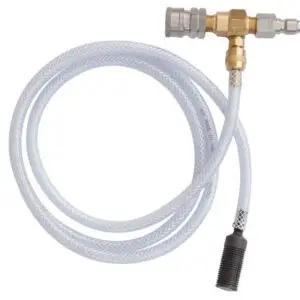
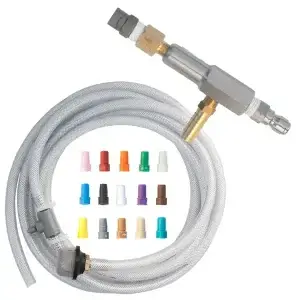
Downstream Injector Kits
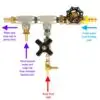
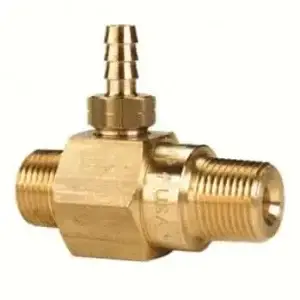
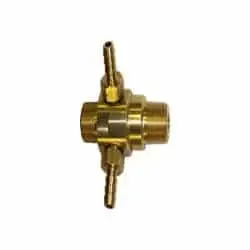
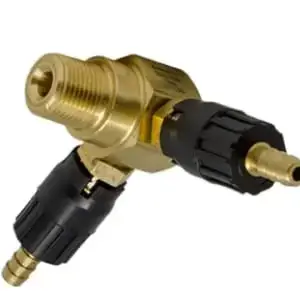
Venturi-style injectors plumbed after the pump for strong soap draw without sending chemical through the pump. Ideal for house-wash mixes and many detergents. Requires a low-pressure nozzle to activate draw.
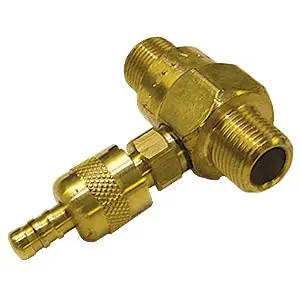
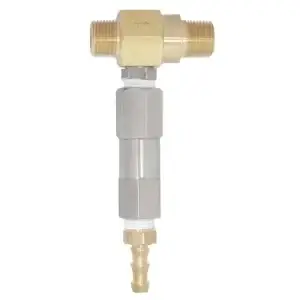
Upstream Injector Assemblies
Pre-pump metering for compatible, pump-safe products where high-pressure application is desired. Verify chemical and temperature limits for your pump and coils before use.
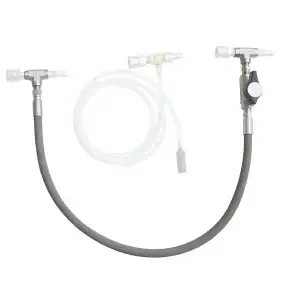
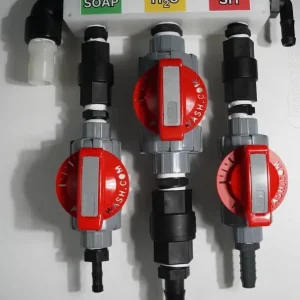
Bypass & Remote Rinse Kits
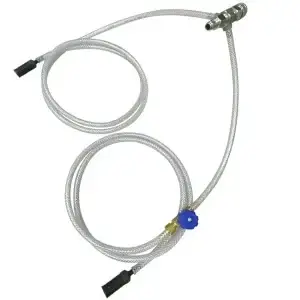
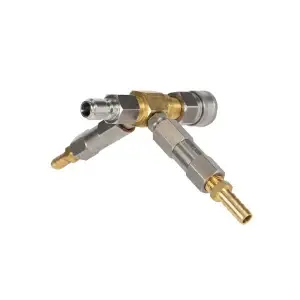
On/off and rinse switching without walking back to the machine. Useful on large properties and high-flow rigs to improve productivity and reduce wasted chem.
Injection Accessories
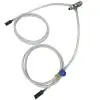
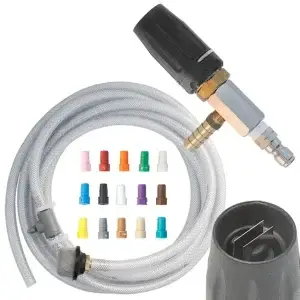
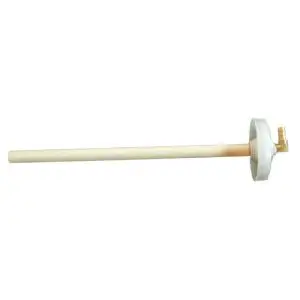
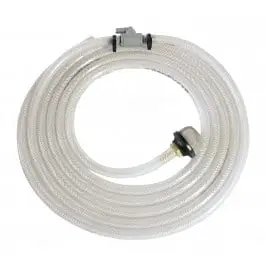
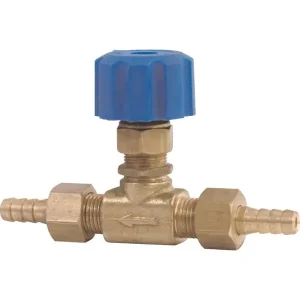
Chemical-resistant check valves, metering valves, strainers, and pickup hoses help stabilize draw, prevent backflow, and protect your system.
Never assume a chemical is pump-safe. Check your injector, hose, seal, and pump material ratings before upstream use, and rinse systems thoroughly after applying corrosive solutions.
Sizing and setup checklist
- Match the injector’s GPM/PSI rating to your machine; if you’re between sizes, select the model recommended for your higher expected flow.
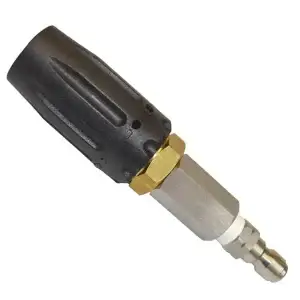
- Use a low-pressure nozzle to start chemical draw; switch to a high-pressure tip to rinse.
- Keep pickup hose short with a clean strainer; avoid unnecessary restrictions that add backpressure and reduce draw.
- Include a chemical-resistant check valve and a metering valve for consistent, controllable mix ratios.
- Confirm compatibility for sodium hypochlorite and solvents (brass vs. stainless, Viton vs. EPDM seals) as needed.
- Rinse injectors, guns, and hoses with fresh water after use to extend service life.
Learn more from the PowerWash Learning Center
Related videos
Need help sizing or troubleshooting an injector?
Our team can help you match an injector to your GPM/PSI, choose compatible materials for your chemistry, and configure bypass or remote-rinse kits for faster workflows.
Talk to an Equipment Specialist