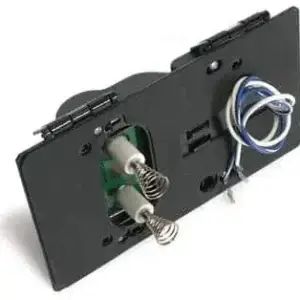
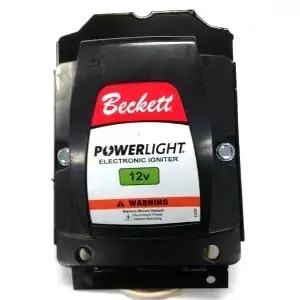
Igniters and Transformers: A Quick Selection & Fitment Guide
What these parts do
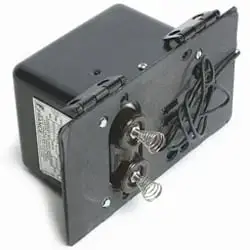
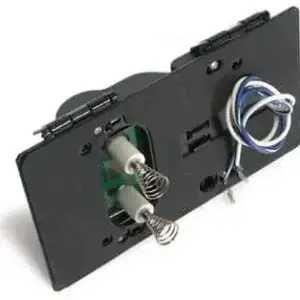
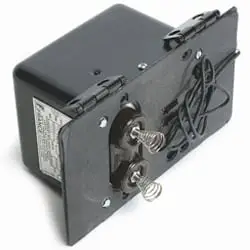
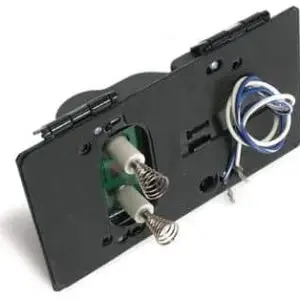
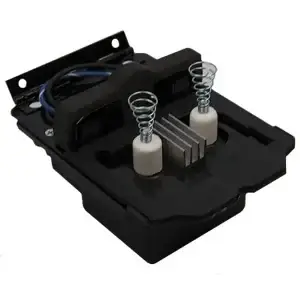
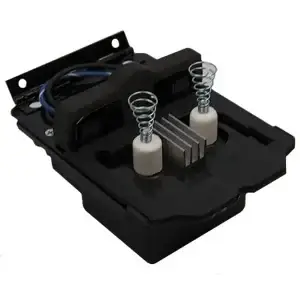
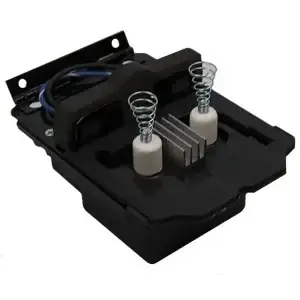
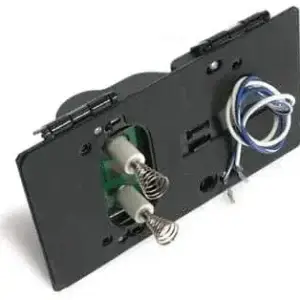
Igniters and ignition transformers step input power up to a high-voltage spark that lights the fuel–air mix in your burner. Choosing the correct unit restores quick, reliable burner starts and helps prevent soot, rumble, and nuisance shutdowns.
Quick selection checklist
- Confirm burner power source and line voltage: 12V DC, 120V AC, or 240V AC.
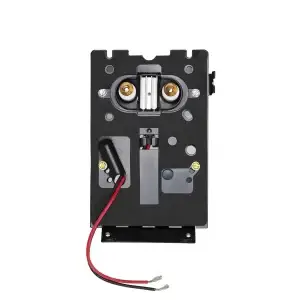
- Match the mounting base and footprint used on your burner (for example, A/AF/AFG or E/M family styles).
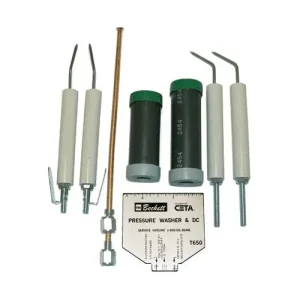
- Verify high‑voltage lead length and electrode style; replace any cracked or carbon‑tracked parts.
- Choose ignition duty to match the primary control (interrupted vs. continuous, per the burner manual).
- Inspect wiring, grounding, and safety interlocks before condemning an igniter or transformer.
On 12V systems, a healthy battery and charging circuit are essential—low supply voltage can cause weak spark, hard starts, and premature igniter failure.
Choose by power source
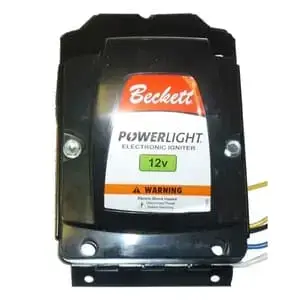
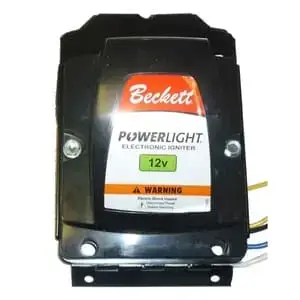
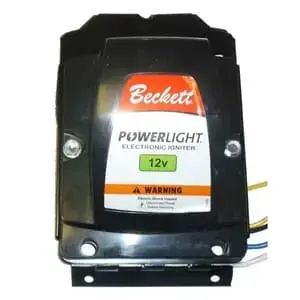
12V DC Solid-State Igniters
Compact, high‑voltage modules used on most mobile hot‑water skids and trailer rigs.
- Best for: Engine‑driven washers without shore power
- Pros: Light weight, strong peak voltage, quick re‑strike
- Watch‑outs: Requires robust charging system; protect from heat and vibration
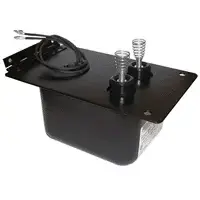
120V AC Iron-Core Transformers
Traditional step‑up transformers commonly found on shop units and generator‑powered machines.
- Best for: Stationary or generator‑powered systems
- Pros: Simple, durable construction
- Watch‑outs: Heavier; typically lower peak output than electronic igniters
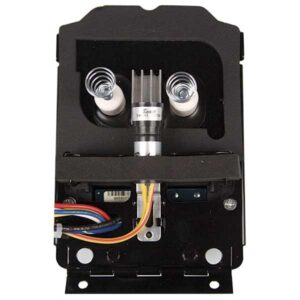
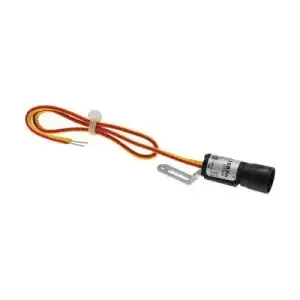
120V/240V Electronic Igniters
Solid‑state replacements for transformer‑style ignition with higher peak voltage and lower weight.
- Best for: Upgrades or weight/space‑sensitive installs
- Pros: High peak output; stable performance across input range
- Watch‑outs: Verify mounting pattern and primary control compatibility
240V AC Transformers
Used on select export or shop machines wired for 240V.
- Best for: 240V facilities and export units
- Pros: Familiar, serviceable design
- Watch‑outs: Not interchangeable with 120V models; confirm supply and grounding
Spec snapshot
| Type |
Input Power |
Typical Output |
Common Uses |
Notes |
| 12V DC Solid‑State Igniter |
12 VDC |
High‑frequency spark (often up to ~20 kV peak) |
Mobile hot‑water skids; trailer/van builds |
Pair with correct electrode set and lead style |
| 120V AC Transformer |
120 VAC |
Approx. 10 kV AC spark |
Shop units; generator‑powered washers |
Heavier iron‑core construction |
| 120/240V Electronic Igniter |
120 or 240 VAC |
Solid‑state, high peak voltage |
Retrofits and OEM replacements |
Match base/hinge style (e.g., A/S patterns) |
| 240V AC Transformer |
240 VAC |
Approx. 10 kV AC spark |
Export or 240V facilities |
Not for 120V circuits |
Do not guess at electrode gap or alignment. Follow the burner manufacturer’s setup dimensions to avoid delayed ignition, soot, or puff‑back.
Installation pointers
- Disconnect power and fuel. Allow the burner housing to cool fully before service.
- Clean or replace electrodes and high‑voltage leads if you see cracks, carbon tracking, or brittle insulation.
- Use the original mounting base style and hardware; confirm any hinge or standoff dimensions.
- Verify solid ground and tight terminals; poor grounds can mimic a weak spark.
- If your primary control uses interrupted ignition, connect the igniter lead to the correct terminal.
Troubleshooting quick checks
- No spark: Confirm input power at the igniter/transformer and check safety interlocks (flow, pressure, thermostat) before replacing parts.
- Hard starts or rumble: Inspect electrode condition and spacing; verify fuel nozzle and air settings per the burner manual.
- Intermittent heat on mobile rigs: Test battery and charging output under load; poor supply voltage weakens spark.
Learn more from the PowerWash Learning Center
Need help matching an igniter or transformer?
Our Equipment Specialists can verify power, base style, and compatibility with your burner so you get a first‑time‑right replacement.
Talk to an Equipment Specialist