
Light Strands & Bulbs
Price
- (7)
- (5)
Showing all 12 resultsSorted by popularity
-
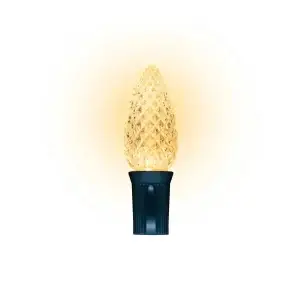
-
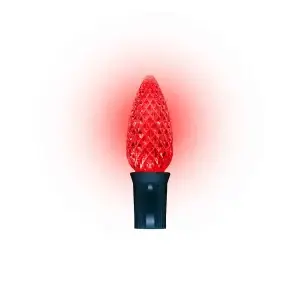
-
-
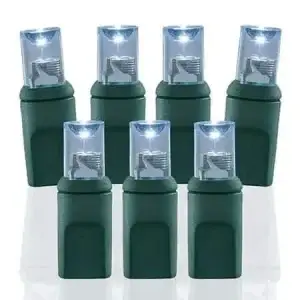
-
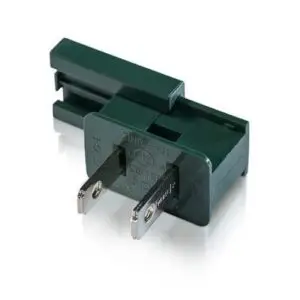
male zip plug
$2.47 -
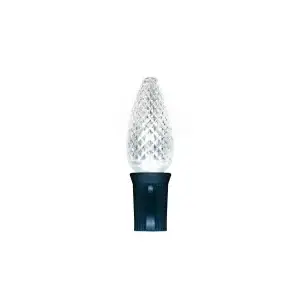
-
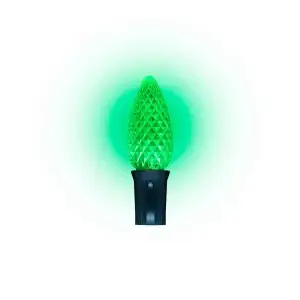
-
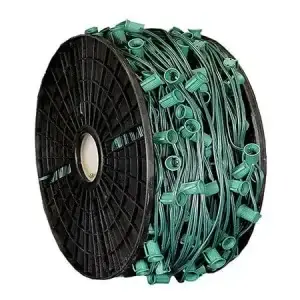
-

-
-
-
How to Choose Commercial Light Strands
Popular strand types
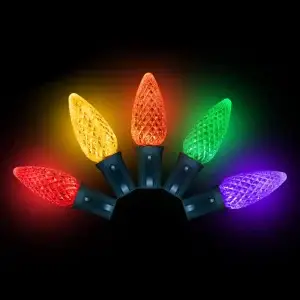
C9/C7 empty-socket stringers
Professional E17 (C9) or E12 (C7) socket lines let you pick bulb color and style, then space outlines precisely for clean, uniform rooflines and ridges.
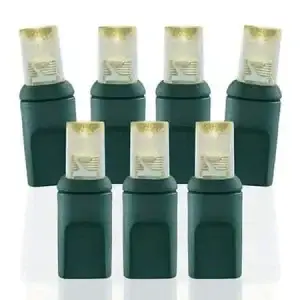
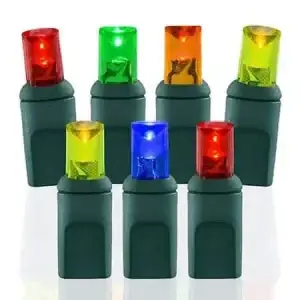
LED mini-light strings
Integrated LED sets with tight spacing excel for tree wraps and foliage. Many pro sets use one-piece, sealed construction to resist moisture and extend service life.
Icicle strands
Even, repeating drop patterns deliver a classic “winter” look along eaves, porches, and railings with fast, repeatable installs.
Net & trunk‑wrap strands
Pre‑spaced grids and spiral wraps speed coverage on bushes, hedges, and straight tree trunks while maintaining consistent density.
Key selection factors for pros
- Bulb compatibility: Match socket base (E17/E12) and voltage. If dimming, verify the bulb and controller are compatible.
- Socket spacing (rooflines): 12-inch spacing delivers a classic outline; tighter 6-inch spacing increases intensity; wider 18-inch spacing suits tall rooflines and long sight distances.
- Wire jacket (SPT-1 vs SPT-2): Both commonly use 18 AWG conductors; SPT-2 has a thicker jacket for added mechanical protection. Always match plugs and sockets to the wire’s SPT rating.
- Environmental durability: Look for sealed, one-piece LED mini sets, UV-stable materials, and weather-rated connections for repeat seasonal use.
- Power planning: Calculate total load for each run and keep circuits comfortably within capacity. Use outdoor-rated cords, timers, and a GFCI-protected outlet.
- Color consistency: For multi-case jobs, confirm color temperature and hue with a small mockup before committing to the full layout.
Build a short test run on the ground to confirm bulb style, spacing, and color match before clipping the first socket.
Do not mix SPT-1 plugs with SPT-2 wire (or vice versa). Mismatched parts can damage insulation and create unsafe connections.
Quick comparison
| Strand type | Socket / bulb | Common spacing | Best uses |
|---|---|---|---|
| C9/C7 empty-socket stringers | E17 (C9) or E12 (C7); bulbs sold separately | 6″, 12″, or 18″ options | Rooflines, ridges, architectural outlines |
| LED mini-light strings | Integrated LED (e.g., 5mm) | Tight, fixed spacing per set | Tree wraps, foliage, columns |
| Icicle strands | Integrated LED | Even drop patterns | Eaves, porches, railings |
| Net / trunk‑wrap strands | Integrated LED | Pre‑spaced grid or spiral | Bushes, hedges, straight trunks |
Pro installation checklist
- Measure rooflines and choose socket spacing to match viewing distance.
- Assign strand types to each surface: outlines, foliage, eaves, and accents.
- Select SPT-1 or SPT-2 wire and use matching male/female plugs and sockets.
- Map circuits, timers, and controllers; plan runs to stay within capacity.
- Bench‑test a sample of each strand type before the first install day.
- Use substrate‑appropriate clips and strain relief; keep connections off the ground.
- Label reels and totes by area/run for faster mid‑season service.
Learn more
- Christmas Light Supply Basics Using C9 Cord (Video)
- Add Christmas Light Installation Services to Keep a Pressure Washing Business Busy During the Winter
Need help building a strand plan for your next project?
Our team can help you match socket spacing, wire rating, and bulb types to your rooflines, trees, and architectural features—so installs go faster and look better.