Pressure Washer Cleaning Tools
Featured Categories
Brand
Price
- (15)
- (10)
- (1)
- (1)
- (1)
Brush Length
Handle Length
Product Grade
- (1)
- (1)
Showing 1–20 of 30 resultsSorted by popularity
-
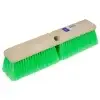
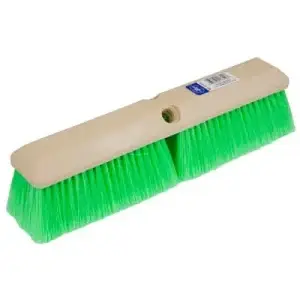
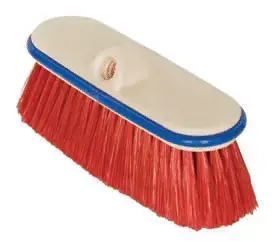
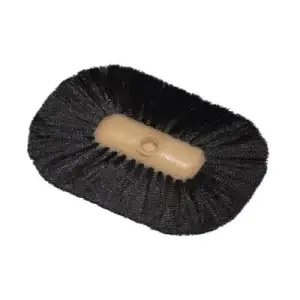
Soft Bristle Non-Marking Wash Brush
From $29.47 -
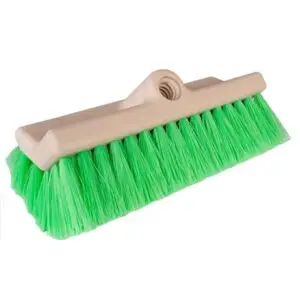
BI-Level Soft Bristle Wash Brush
$35.47Original price was: $35.47.$30.15Current price is: $30.15. -
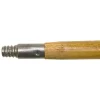
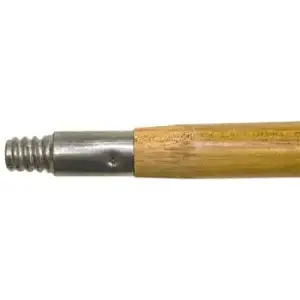
Metal Threaded Wooden Handle
From $15.97 -
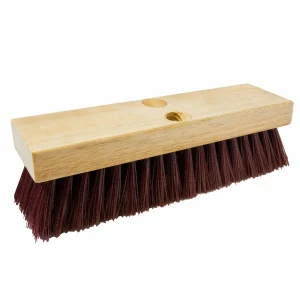
Polypropylene Extra Stiff Deck Brush
From $8.47 -
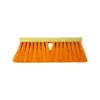
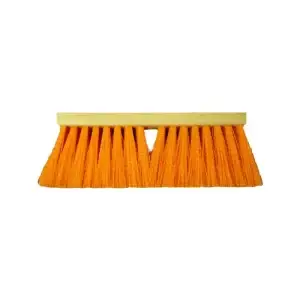
Heavy Gauge OSHA Orange Street Broom
From $26.97 -
Soft Bristle Acid Brush 11″
$16.97 -
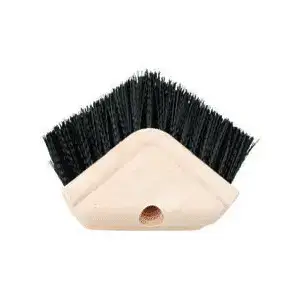
Corner Cleaning Brush
$37.47 -
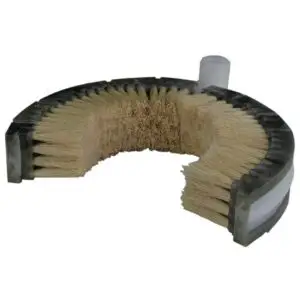
Stack Brush
$50.47 -
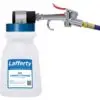
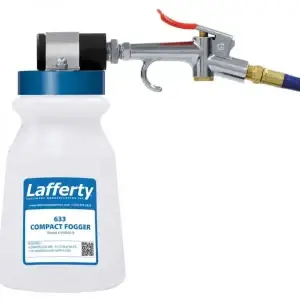
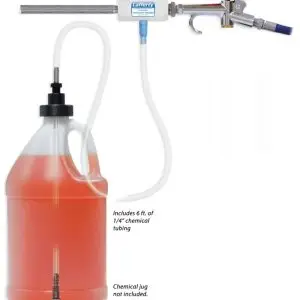
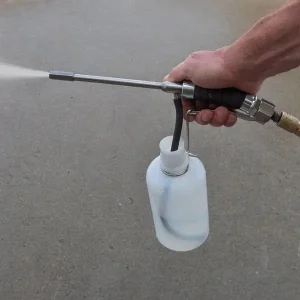
633 Compact Disinfectant Fogger for Air Compressors
$223.97Original price was: $223.97.$203.53Current price is: $203.53. -
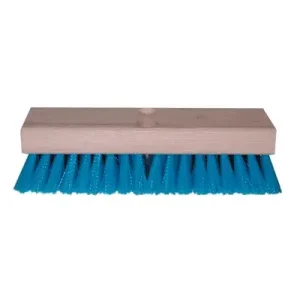
Polypropylene Deck Brush
From $8.47 -
Bi-Level Floor Scrub Brush
$19.97
How to Choose Pressure Washer Cleaning Tools
Start with your machine
- Know your maximum PSI and GPM. Tools list required flow (GPM) and allowable pressure (PSI) to perform correctly.
- Confirm temperature rating if you run heated water. Only use hot-water-rated tools on hot systems.
- Match connections. Common setups include 1/4″ quick-connect at the lance and 3/8″ quick-connect on hoses or some tools. Always verify what your tool requires.
Check the nameplate or manual on your pressure washer for PSI, GPM, and temperature limits, then compare those to the tool’s spec label before purchasing.
Quick picks by job
Large flat concrete
Use a surface cleaner to clean evenly and fast on sidewalks, driveways, patios, and plazas.
- Choose diameter to match flow: smaller (around 12–16 in.) pairs well with modest flow; larger (around 20–24 in.) needs higher flow.
- Walk a steady pace and overlap passes to avoid swirl or “tiger stripe” marks.
Stubborn spots and gum
Use a turbo/rotary nozzle to break up compacted soils. For heavy gum, soften first, then follow with a surface cleaner for uniform finish.
- Keep the nozzle moving; start a few inches off the surface and test in an inconspicuous area.
Edges, lanes, and narrow runs
Water brooms speed up long, straight areas like drive-thru lanes and garage decks with multiple nozzles on a bar.
- Check required GPM; more jets typically need more flow to maintain impact.
Vertical, delicate, or detailed work
Use brushes and gentle fan tips for siding, fences, and wood. Pair with appropriate detergents and rinse thoroughly.
- Use the widest effective spray angle and keep distance to prevent damage.
Sizing and compatibility at a glance
| Tool type | Typical machine match | Best for | Setup notes |
|---|---|---|---|
| Surface cleaner (about 12–16 in.) | Pairs with modest flow machines; suited to residential sidewalks and patios | Small to medium flatwork | Verify minimum GPM and max PSI on the model; use matched spray tips in the spinner bar. |
| Surface cleaner (about 20–24 in.) | Pairs with higher-flow machines for wide coverage | Large flatwork and commercial sites | Requires more flow to keep RPM and cleaning impact; consider a handle with easy control. |
| Turbo/rotary nozzle | Works across a range of flows; must not exceed tool’s PSI rating | Spot cleaning, gum and stains on durable surfaces | Keep moving to avoid etching; replace orifice/ceramic when performance fades. |
| Water broom | Needs enough GPM to feed multiple jets | Long lanes, parking decks, warehouse floors | Confirm bar width, jet count, and connector type to fit your workflow. |
| Brushes and gentle fan tips | Compatible with most machines when used at safe distances | Wood, siding, vehicles, and detail work | Let detergents do the work; rinse thoroughly to avoid residue. |
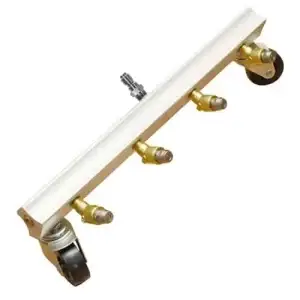
| Undercarriage cleaners | Benefit from higher flow for coverage | Vehicle and equipment undersides | Check clearance height and wheel style for smooth rolling. |

Buying checklist
- Tool ratings meet or exceed your washer’s PSI, GPM, and temperature.
- Connections match your setup (1/4″ or 3/8″ quick-connects, threads, or adapters).
- Right tool geometry for the job (diameter, bar width, jet count, brush type).
- Maintenance parts are available (nozzles, swivels, orifices, seals).
- Plan for chemical compatibility when detergents are used.
Surface cleaners shine when you overlap passes, keep a steady walking pace, and ensure both spinner nozzles are the same size and in good condition.
Turbo nozzles and tight spray angles can damage softwood, paint, and aging concrete if held too close. Always test on a small, inconspicuous area first.
Essential add‑ons that save time
Replacement tips and orifices
Keep matched replacement nozzles for surface cleaners and rotary/turbo tools. Worn or mismatched tips cause streaks, slow cleaning, and vibration.
Swivels, filters, and strainers
Quality swivels improve maneuverability and reduce hose twist. Inline filters and strainers help protect jets and orifices from debris that can clog or score components.
Learn more from the PowerWash Learning Center
- Pressure Washer Surface Cleaner Facts To Know
- Mastering the Art of Pressure Washing: Key Insights on Surface Cleaners
- Pressure Washer Nozzle Guide: How To Pick the Right Tip for Every Job
- Surface Cleaner Review: How To Avoid Pressure Washer Surface Cleaner Swirls
- Wood Cleaning Tips: How To Clean Wood Using Pressure Washer
- How To Adjust the Unloader Valve on Your Pressure Washer
Need help matching tools to your washer?
Tell us your PSI, GPM, hose and lance connections, and the surfaces you clean. Our specialists will recommend the right tools and maintenance parts.