0

Lances

Pressure washer lances—also called wands—are the rigid tubes that connect your spray gun to the nozzle so you can direct, control, and safely position the spray. This category includes standard, insulated, flexible, and dual‑lance options for hot‑ or cold‑water machines. Use the guide below to choose the correct length, rating, and connections for your setup.

Featured Categories

Brand

Price

Dual Lance Wand Length

Product Grade

Pump GPM

How to Choose a Pressure Washer Lance

Selecting the right lance (wand) improves reach, control, safety, and speed. Focus on your machine’s working pressure and temperature, the lance’s length and material, and the connection types on both ends.

Lance Types at a Glance

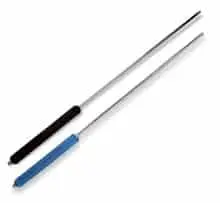
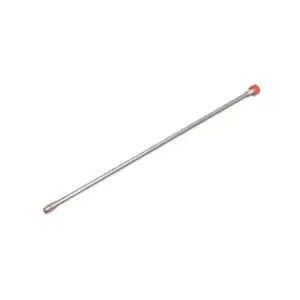
Standard Rigid Lance

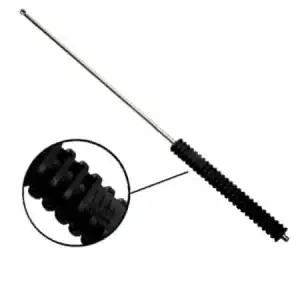
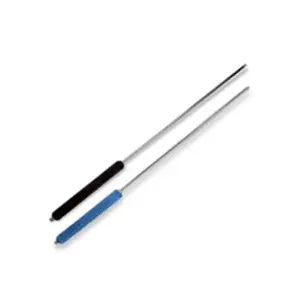
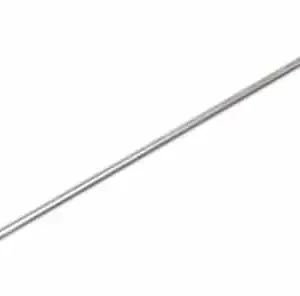
A durable, straight tube for everyday cleaning and rinsing. Available in multiple lengths to balance reach and control.

  • Common choice for flatwork, vehicles, siding, and general washdown.
  • Typically steel (nickel‑chrome plated) or stainless steel for corrosion resistance.

Insulated Lance

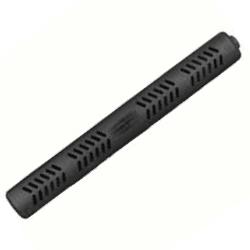
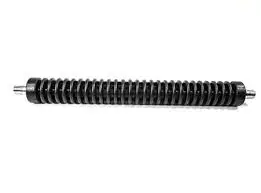
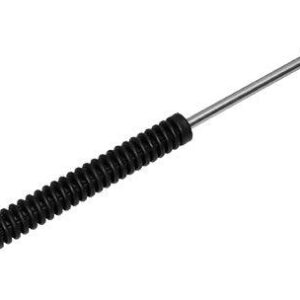
Includes a molded or vented grip section to reduce heat transfer and improve comfort on hot‑water machines.

  • Helps keep hands cooler during extended use.
  • Choose lengths that maintain balance with your gun and hose.

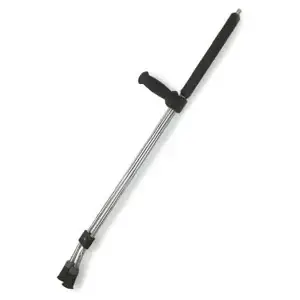
Dual Lance (Variable Pressure)

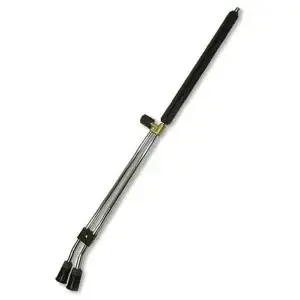
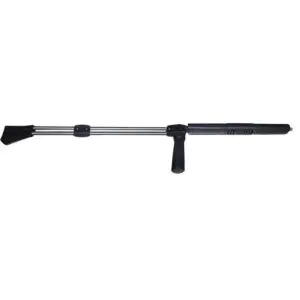
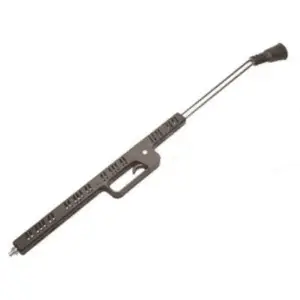
Two parallel tubes with a control to divert flow. Quickly switch from low‑pressure soap application to high‑pressure rinse without changing nozzles.

  • Ideal with downstream injectors for fast soap/rinse cycles.
  • Verify the lance’s maximum PSI and temperature meet your system.

Flexible/Bendable Wand

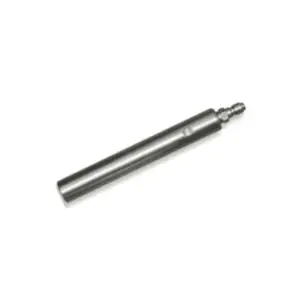
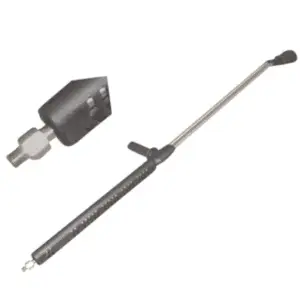
A short, positionable section added near the nozzle to fine‑tune spray angle into tight or overhead areas.

  • Great for gutters, undercarriages, and hard‑to‑reach surfaces.
  • Use only within the stated PSI and temperature ratings.

Pair your lance with a side handle and quality quick‑connects for faster nozzle changes and better control—especially on 36–48 inch setups and higher‑flow machines.

Check the Critical Specs

Spec checkpoint What to verify Common offerings
Working pressure (PSI) Lance rating must meet or exceed your machine’s output. Many rigid/dual lances are offered around 4,000–6,000 PSI; some specialized models are higher.
Max temperature Match hot‑water use; stay within the stated limit. Often up to ~300°F on hot‑water‑rated lances; some products are lower (about 210–220°F).
Length Balance reach vs. fatigue and clearance. Common lance lengths run from ~12 to ~79 inches; extension pieces can reach 72–90 inches.
Connections Confirm both ends. Many lances use 1/4″ NPT male threads; nozzle end often uses a 1/4″ quick‑connect coupler. Adapters are available for M22 and other thread standards when needed.
Material Choose for environment and chemicals. Nickel‑chrome plated steel for general use; stainless steel favored for corrosive or chemical applications.

Sizing and Ergonomics

Pick the shortest lance that gives you safe reach and the right working angle. Shorter tubes improve control in tight spaces; 36–48 inch setups help reduce bending for flatwork; longer assemblies improve reach on tall vehicles or siding. Add a molded or vented grip and a side handle to reduce fatigue.

  • Match lance PSI, temperature, and flow path to your washer’s output and nozzle sizing.
  • Confirm thread sizes and quick‑connect style before ordering.
  • Select a length that maintains balance with your gun, hose, and typical stance.
  • Choose stainless for harsher chemicals or environments; plated steel for general duty.
  • For soap/rinse speed on downstream systems, consider a dual lance.

Never exceed the lance’s stated PSI or temperature. Replace damaged tubes, grips, or couplers immediately, and avoid close‑range use of zero‑degree tips on delicate surfaces.

Explore Related Categories

Keep Learning

Need help choosing a lance?

Tell us about your washer’s PSI/GPM, typical jobs, and preferred length. Our team will match a lance and fittings that work together the first time.

Talk to an Equipment Specialist

Lances FAQ's

Add a side handle and molded or vented grip, choose the lightest length that still reaches, and keep nozzle sizing correct to avoid excess recoil.
Yes—when operated within their stated PSI and temperature limits. Adjust bend only as designed, inspect often for fatigue, and avoid close‑range use of zero‑degree tips.
Many lances use 1/4″ NPT male threads on both ends. The nozzle end commonly uses a 1/4″ quick‑connect coupler. M22 connections are common on hoses/guns; adapters are available—verify before ordering.
When you need quick switching between low‑pressure soap application and high‑pressure rinse on a downstream‑injector setup—without changing nozzles.
Only if its temperature rating supports your operating temperature. Many hot‑water‑rated lances list maximums near 300°F; some products are lower around 210–220°F—always check the product spec.
Use the shortest length that provides safe reach and a good working angle. Short (12–24 in.) favors tight control; 36–48 in. reduces bending for flatwork; longer assemblies increase reach for tall vehicles or siding.
Yes. In industry use, “lance” and “wand” refer to the same part: the rigid tube between the spray gun and the nozzle.
Home Backup - 2-2-24
Special Offer
PowerWash Prime Membership