
Dual Lances
Brand
Price
- (2)
- (6)
Dual Lance Wand Length
Showing all 10 resultsSorted by popularity
-

-
Suttner ST-53 Dual Lance Variable Pressure Wand
From $83.97 -
-
-
-

-
-
-

-
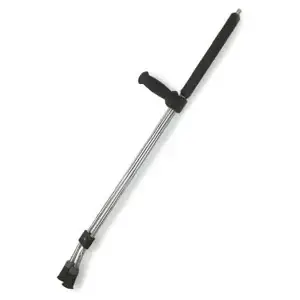
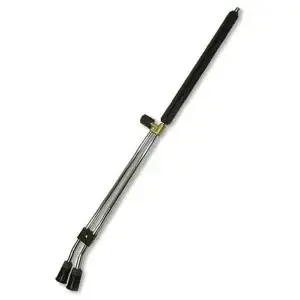
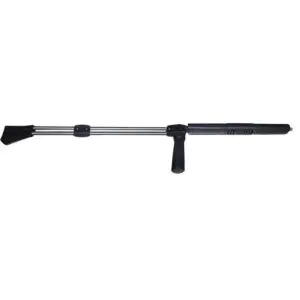
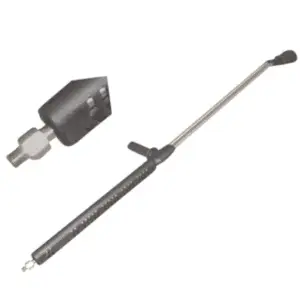
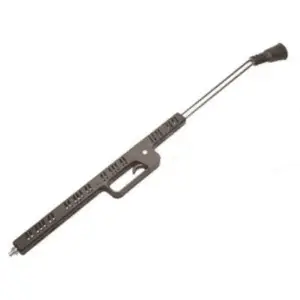
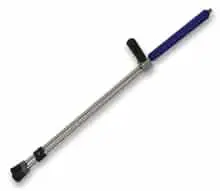
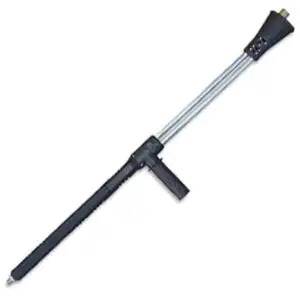
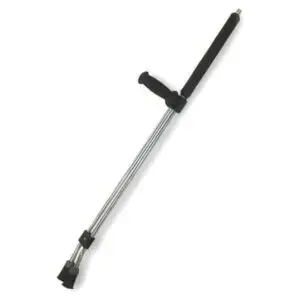
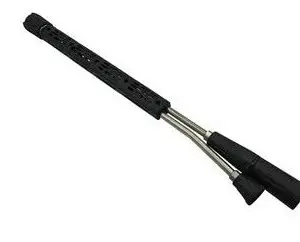

Dual Lances: Fast Switch Between Soap and Rinse
What is a dual lance?
A dual lance is a two-tube pressure washer wand with a side control that lets you shift from a low-pressure stream (to activate downstream chemical injection) to a high-pressure rinse—often blending between the two for precise control. It keeps chemicals out of the pump when used with a downstream injector and eliminates tip changes between steps.
Using a downstream injector? Open the low-pressure side on your dual lance to start chemical draw, then return to high pressure to rinse—no tip swap required. Always confirm injector function with the appropriate low-pressure setting or nozzle.
Choose your setup
Length and reach
Shorter lances improve control in tight areas; longer lances add reach for trucks, walls, and flatwork. Pick a length that balances reach with fatigue and storage needs.
Materials and heat
Plated-steel models offer strong value; stainless-steel options enhance corrosion resistance—popular for hot-water rigs and caustic environments. Verify the lance’s temperature and pressure ratings for your machine.
Connections
Match inlet and outlet styles to your gun, couplers, and nozzles (e.g., M22, 1/4″ NPT, or quick‑connect). Proper sealing and compatible threads prevent leaks and pressure loss.
Controls and feel
Look for insulated grips and smooth side-handle action for fine pressure control. Some handles are vented for comfort during extended hot‑water use.
Nozzle and injector pairing
| Goal | Dual‑lance setting / nozzle | Expected result |
|---|---|---|
| Apply detergent with a downstream injector | Open the low‑pressure side or use a designated low‑pressure nozzle | Injector draws solution; coverage without forcing chemical through the pump |
| High‑pressure rinse | Close the low‑pressure side and use the correct high‑pressure nozzle size | Full system pressure for fast rinsing and recovery of flow |
| Feather pressure on delicate surfaces | Blend between low and high settings | Fine control of impact and overspray without swapping tips |
Safety first: Never adjust the lance while the trigger is locked open. Relieve pressure before changing nozzles or fittings. Hot‑water systems, chemicals, and pressurized spray can cause injury—wear appropriate PPE and follow your machine’s manual.
Pre‑purchase checklist
- Confirm lance max PSI, GPM, and temperature meet or exceed your washer’s ratings.
- Choose length for your work: close‑quarters control vs. extended reach.
- Select material (plated vs. stainless) based on environment and chemical exposure.
- Match inlet/outlet connections to your gun, couplers, and nozzle system.
- Plan your injector strategy (downstream or other) and low‑pressure nozzle selection.
- Stock spare O‑rings and a compatible high‑pressure and low‑pressure tip set.
Learning Center
- The Dual Port Injector Apple Blossom
- Dual Port Injector Kit
- The Dual Port Injector Is A Game Changer
Not sure which dual lance fits your setup?
Our team can help you match length, materials, ratings, and connections to your machine and injector method so you get reliable soap application and fast rinsing.