15% Off Accessories Through Aug 10 · Use Code NEEDIT2026
0

Hose Reels

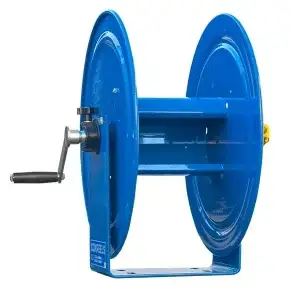
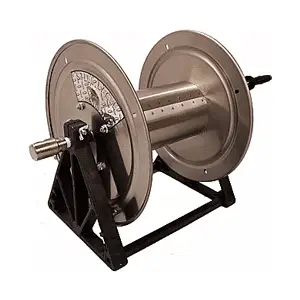
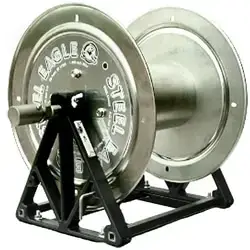
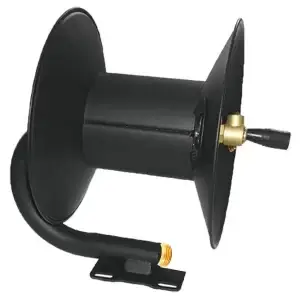
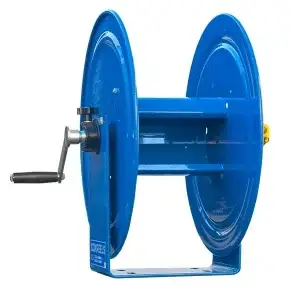
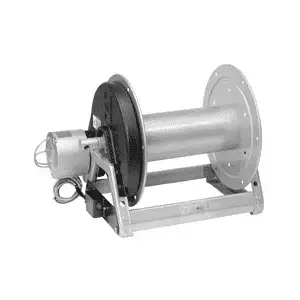
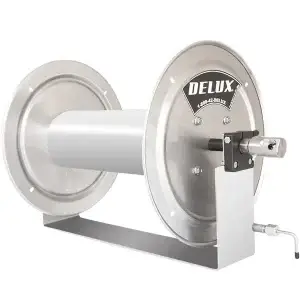
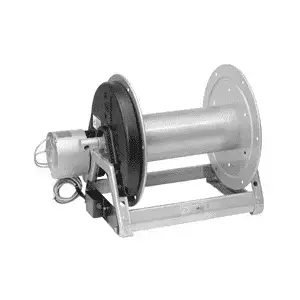
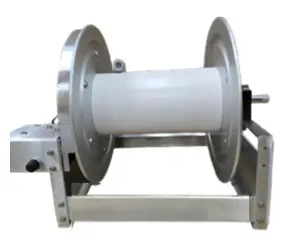
Professional-grade hose reels keep your hoses organized, protected, and ready to work. Choose from manual and electric rewind models built for daily pressure washing. Use this quick guide to match reel capacity, materials, rewind method, and mounting to your system so setup and cleanup are faster and safer on every job.

Brand

Price

Capacity

Crank

Hose Capacity

Inlet

Max Temperature

ACCESSORIES SALE
15% Off the Parts That Keep You Working

Stock the truck, replace worn parts and keep the next job moving. Use code NEEDIT2026 through Aug 10th.

Showing 1–20 of 30 resultsSorted by popularity

How to Choose a Hose Reel for Pressure Washing

Start by confirming the reel’s working pressure, temperature, and fluid-compatibility ratings meet or exceed your system. Then size capacity for the hose you actually carry and the footprint you have available.

Quick selection checklist

  • Confirm the reel is rated for high-pressure water service and matches your washer’s performance.
  • Measure hose length and outside diameter to verify capacity with room to spare.
  • Choose rewind method: manual for simplicity or electric for frequent, long deployments.
  • Pick materials for the environment: powder-coated steel for general use or stainless where corrosion is a concern.
  • Plan the mount (floor, wall, truck/van) and hose guide orientation for clean routing.
  • Check swivel/manifold size and thread type to match your fittings and flow path.

Choose your reel by what matters most

Rewind method

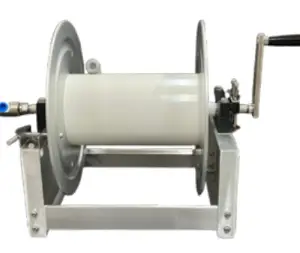
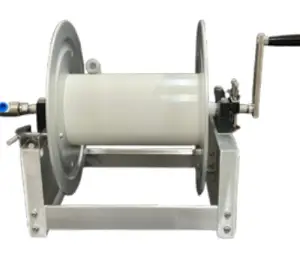
Manual-crank reels are light, affordable, and easy to service. Electric rewind adds push‑button retrieval that saves time and fatigue on long hose runs or multiple stops. Many pros pair electric for supply/soft-wash hose and manual for high-pressure to balance cost and weight.

Frame & material

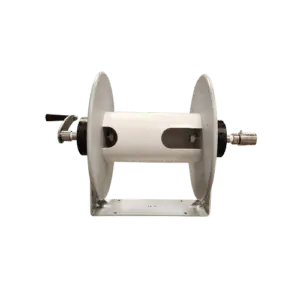
Powder‑coated steel is rugged for everyday work. Stainless steel resists corrosion in coastal, humid, or chemical environments and is a strong choice for long service life. Match the material to your climate and chemicals to minimize maintenance.

Capacity & footprint

Use manufacturer capacity charts to verify the reel will hold your hose length and diameter. Leave headroom so the hose layers evenly without binding. If space is tight, consider a larger-diameter spool rather than overfilling a smaller reel.

Swivel & manifold

The swivel is the wear item that keeps flow moving while the drum turns. Match thread type and size to your hose and connectors (for example, many pressure reels use 3/8 in connections). Choose corrosion‑resistant fluid paths for chemical or coastal use.

Mounting and build options

Mounting orientation

Reels can mount on floors, walls, or vehicle decks. Align the guide arm with your pull direction to reduce hose rub and tripping hazards. Verify clearance for the crank or motor and for the hose arc during payout.

Stacking

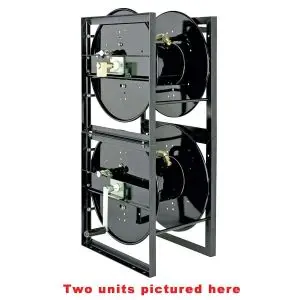
Stack kits let you place supply, pressure, and soft‑wash reels vertically to save space. Use approved brackets and hardware, and confirm your deck or wall structure supports the combined weight of full reels.

Guides, locks & brakes

Guide rollers protect hose as it pays out. A drag brake or locking pin prevents freewheeling during transport or on slopes. These small features improve safety and extend hose life.

Serviceability

Look for accessible swivels, replaceable seals, and simple electrical hookups on powered reels. Keeping spare o‑rings, thread sealant, and a swivel repair kit on hand minimizes downtime.

Good practices to protect your hose and reel

Scenario Recommended practice
Running hot water or a burner Pull off sufficient hose so heat doesn’t concentrate on the spool; avoid tight stacks when water is very hot.
Transporting between jobs Secure the drag brake or lock, cap open ports, and strap loose ends to prevent abrasion.
After chemical use Flush with fresh water before rewinding and allow ventilation to reduce corrosion risk.
System setup Match fittings carefully and route hose to avoid sharp edges and pinch points at the guide.

Do not use air or garden‑hose reels for high‑pressure water. Always choose a reel specifically rated for pressure‑washer service and follow the manufacturer’s operating limits.

Learn more

Not sure which reel fits your rig?

Our team matches reels to real‑world builds every day. We’ll help you confirm capacity, materials, rewind method, and mounting so your setup runs smoothly from day one.

Talk to an Equipment Specialist
Hose Reels FAQ's

Use approved brackets or stack kits, align the guide with the pull direction, and verify the structure supports the weight of full reels. Secure the drag brake or lock before transport.
No. Use a reel rated for high‑pressure water service. Air or low‑pressure reels may not handle the forces and can fail prematurely.
Many reels are designed for “live” operation. Always confirm the reel’s working limits and, for hot water, pull off enough hose to avoid heat buildup on the spool.
Choose stainless in coastal, humid, or chemical environments where corrosion is likely. Powder‑coated steel is durable for general use when regularly rinsed and maintained.
Manual reels are lighter, simpler, and lower cost. Electric reels save time and strain on long runs or frequent setups. Pick based on hose length, crew size, and how often you deploy and stow.
Check the manufacturer’s capacity chart for your hose’s length and outside diameter, and leave extra room so the hose layers without binding. If you are close to the limit, move up to the next reel size.
Home Backup - 2-2-24
Special Offer
PowerWash Prime Membership