
Showing 1–20 of 96 resultsSorted by popularity
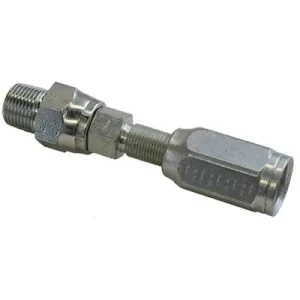
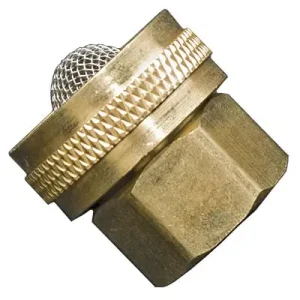
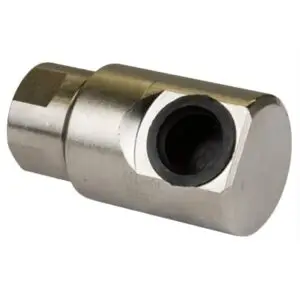
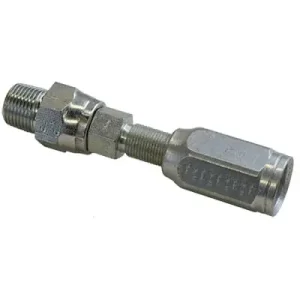
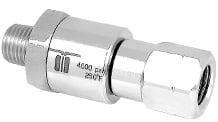
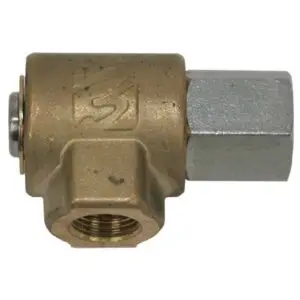
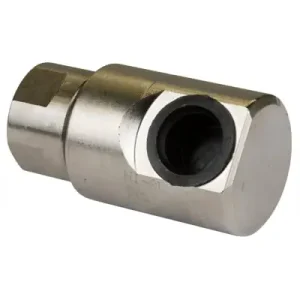
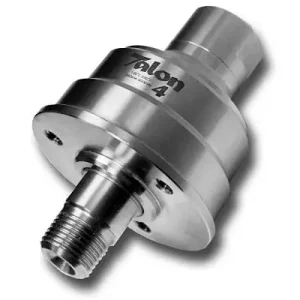
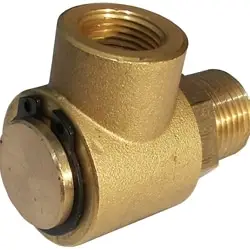
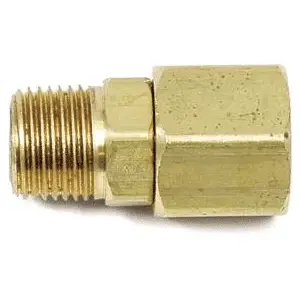
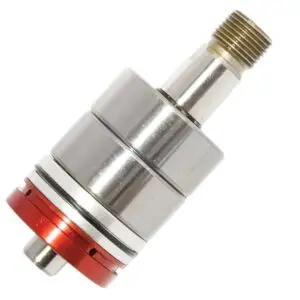
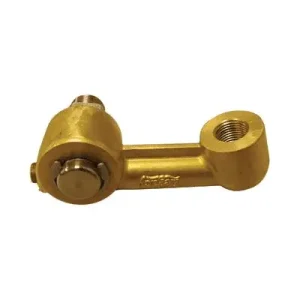
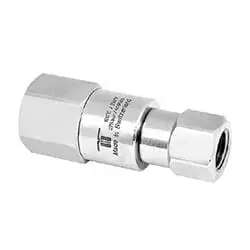
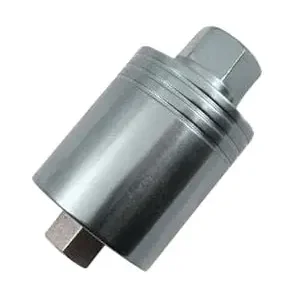
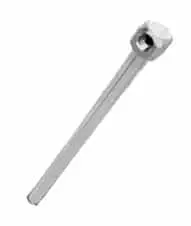
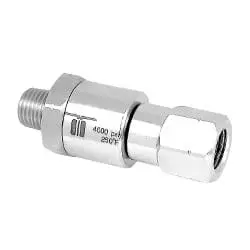
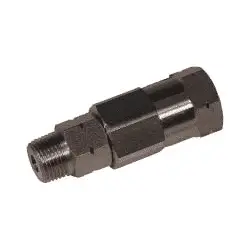
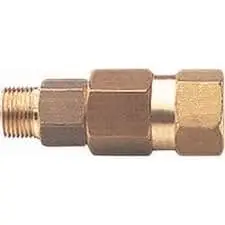
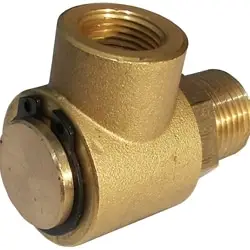
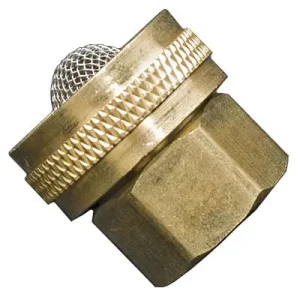
Swivels (often called rotary unions or live swivels) allow rotation under pressure so hoses don’t twist and operators can orient tools comfortably. Select models with ratings that meet or exceed your system’s PSI, GPM, and temperature.
A swivel creates a rotating joint between fixed plumbing and moving hose or tooling. In pressure washing, that can mean tangle‑free guns and lances, smooth hose reel winding, surface cleaner spray bars that spin freely, or ceiling booms that pivot without stressing hose connections.
| Spec to verify | Why it matters | Selection notes |
|---|---|---|
| Maximum pressure (PSI/Bar) | Prevents seal blow‑by and premature wear. | Match or exceed your machine’s working pressure and safety margin. |
| Flow capacity (GPM/LPM) | Avoids restriction and heat buildup. | Choose a bore size that meets or exceeds your hose ID and tool flow. |
| Temperature rating | Protects seals during hot‑water use. | Confirm rating for your application; some models are for ambient to moderate heat, others handle elevated temperatures. |
| Thread type & size | Ensures leak‑free assembly. | Identify NPT vs. BSPP and male vs. female ends before ordering. |
| Angle | Improves hose routing. | Inline (0°) for straight runs; 90° for reels or tight bends. |
| Materials | Resists corrosion and wear. | Stainless steel for harsh or hot environments; plated steel or brass for general use. |
| Seal & bearing design | Determines longevity and torque feel. | Higher‑duty seal materials and thrust/ball bearing stacks support continuous rotation under load. |
Inline swivels simplify straight hose runs at guns and lances. 90‑degree elbows reduce stress where hose transitions onto a reel hub or around tight corners.
NPT uses tapered threads that typically require thread sealant or tape. BSPP is parallel and usually seals with an O‑ring or washer. Do not mix thread standards.
Stainless steel resists corrosion and is a common choice for hot water, coastal, or chemical‑exposed setups. Brass or plated steel offers solid value for general high‑pressure water.
Choose a swivel class that matches your pump and heater. Always verify the product’s PSI and temperature ratings against your operating conditions.
Use a 90° or hub‑mount swivel sized for your hose ID and reel capacity. For dedicated hose reel replacement parts, see Hose Reel Swivels or explore complete Hose Reels.
Look for low‑torque “live” swivels that rotate smoothly under pressure to reduce wrist strain and prevent hose twist at the gun inlet.
These rely on precision rotary unions to spin spray bars. Match PSI, temperature, and flow; undersizing can restrict output and shorten service life.
Choose swivels designed for continuous rotation and overhead routing, with robust bearings and seals for long service intervals.
Never exceed the swivel’s published PSI, temperature, or chemical compatibility. Operating beyond ratings can cause leaks, sudden seal failure, or injury.
Our team can recommend a rotary union that matches your hose, gun, reel, and washer ratings so you get smooth rotation and long service life.