
Elbows
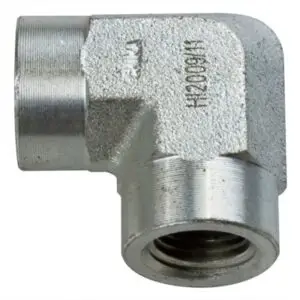
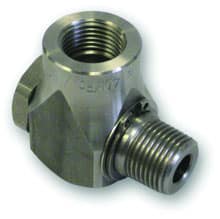
Choose the right elbow to route pressure washer plumbing cleanly and safely. Elbows help you turn line direction without kinking hoses or overloading fittings.
Use this quick guide to match angle, thread type, size, material, and pressure rating to your system so leaks and premature wear don’t slow you down.
Brand
Price
- (22)
- (2)
Showing 21–24 of 24 resultsSorted by popularity
Elbows FAQ's
How tight should I make threaded elbow connections?
Snug, then small additional turns until sealed and aligned. Avoid over-tightening, which can crack ports. Follow the product’s torque guidance when provided.
Do I need thread sealant or tape?
Use sealant on tapered threads like NPT/BSPT. Do not add tape to gasketed or O-ring face seals—those seal at the face, not the threads.
Do elbows reduce flow or pressure?
Any turn adds minor restriction. Choose the largest practical size and fewest turns, and prefer 45° where layout allows to minimize losses.
How do I choose the right material?
Brass suits most water-based use. Stainless is best where corrosion or chemicals are present. Zinc-plated/carbon steel is strong but needs protection from moisture. Poly/composite is for low-pressure chemical lines only.
Are BSP threads compatible with NPT?
No. BSP and NPT have different thread forms and pitch. They are not directly compatible—use a purpose-made adapter to transition safely.
What is a street elbow?
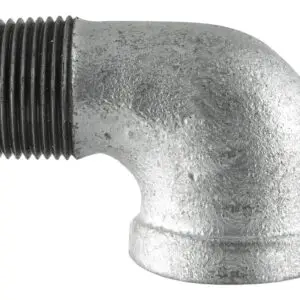
A street elbow has one male and one female thread, letting you connect directly to a port without an extra nipple. It saves space in cramped layouts.
What is the difference between 90° and 45° elbows?
A 90° elbow makes a tight right-angle turn; a 45° elbow makes a gentler turn with less turbulence. Use 90° in tight spaces and 45° where a smoother flow path is preferred.