
Showing 1–20 of 24 resultsSorted by popularity
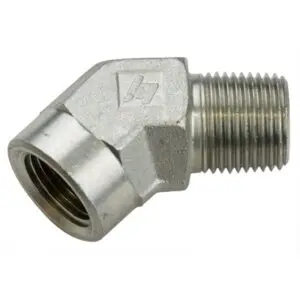
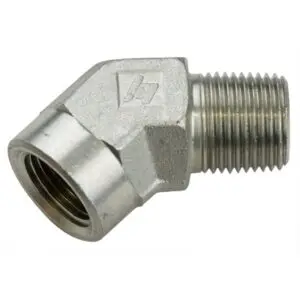
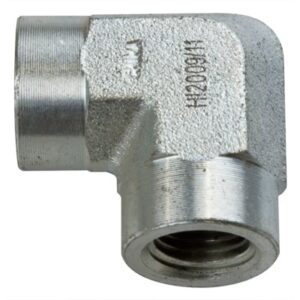
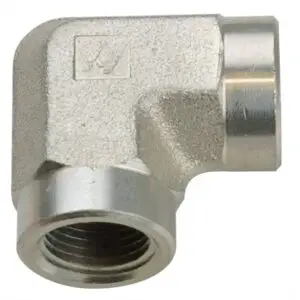
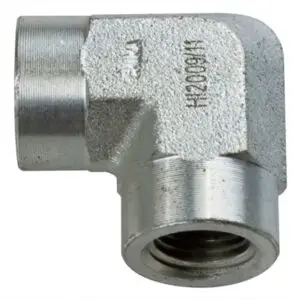
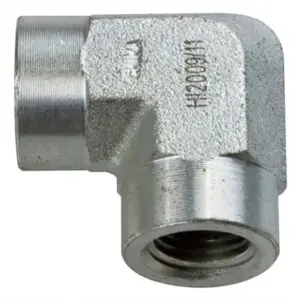
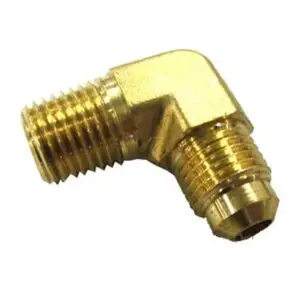
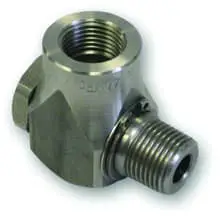
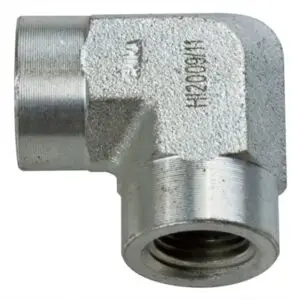
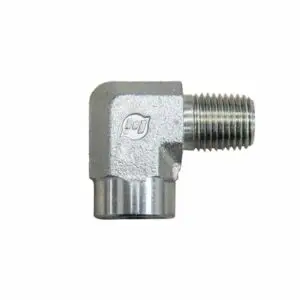
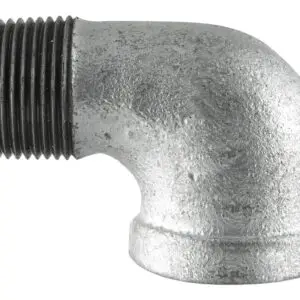
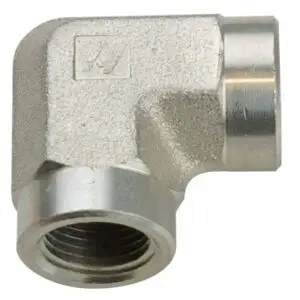
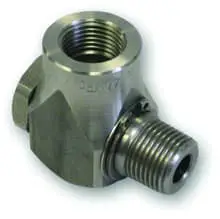
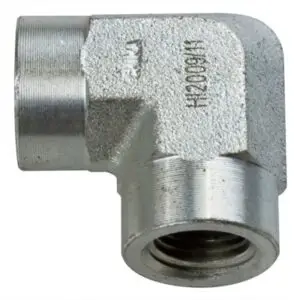
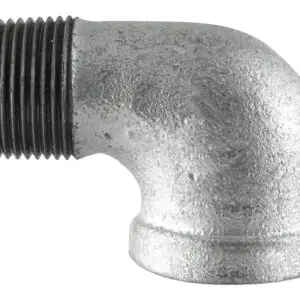
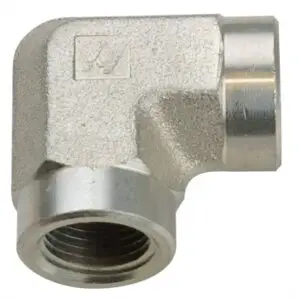
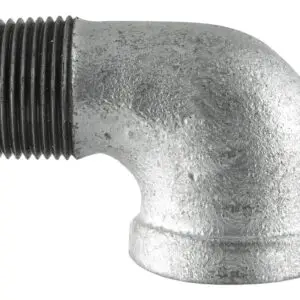
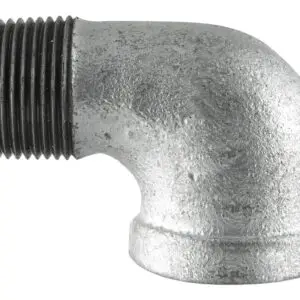
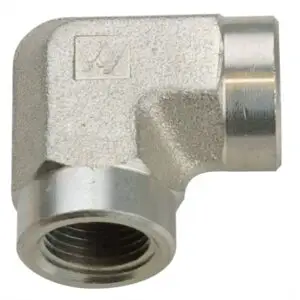
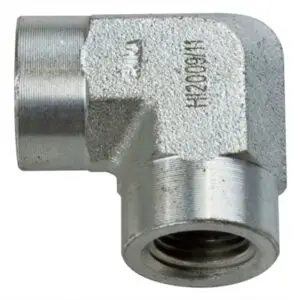
Elbows are commonly installed at the pump outlet, unloader/bypass manifold, hose reels, gun/wand inlets, and tight cabinet corners. The right elbow reduces strain on components and routes plumbing safely away from hot surfaces and moving parts.
Make sharp turns in tight spaces and on manifolds. Use when a straight fitting would kink a hose or place side load on ports.
Provide a gentler turn for improved flow path and reduced turbulence compared to a 90°, helpful on higher-flow systems.
One male and one female thread for ultra-compact connections without an extra nipple. Useful at pump or unloader ports.
Change direction and size in one fitting (for example 3/8″ to 1/4″). Handy when adapting gun/wand or accessory ports.
Reliable, general-purpose choice for most water-based pressure washing. Good balance of corrosion resistance and value.
Maximum corrosion resistance and durability. A smart pick around chemicals, coastal environments, and higher-pressure rigs.
Strong and abrasion-resistant. Match to the system’s pressure rating and protect from prolonged moisture to limit corrosion.
For return lines and downstream low-pressure chemicals only. Do not use where high pressure is present.
| Thread type | Common sizes | Typical use | Notes |
|---|---|---|---|
| NPT (tapered) | 1/4″, 3/8″, 1/2″ | Most pumps, guns, hoses, unloaders | Use thread sealant/tape; tighten carefully to avoid cracking ports. |
| BSPP/BSPT (metric) | 1/4″, 3/8″ | Some import pumps and accessories | Not interchangeable with NPT. Use a proper adapter if systems mix standards. |
| Reducing (mixed sizes) | e.g., 3/8″ x 1/4″ | Adapting guns, reels, accessories | Choose the largest practical ID on high-flow circuits. |
| O-ring/gasketed ends | Varies | Specialized manifolds | Seal at the face—do not add tape on the sealing surface. |
Do not mix BSP and NPT threads. They are different standards and can leak or crack components. Use a dedicated adapter if your system includes both.
If you frequently disconnect tools at the gun or reel, consider using a short whip hose and a fixed elbow at the hard point. This reduces side load and extends thread life.
Use elbows to tidy hose paths on trailer skids, relieve strain at gun/wand inlets, route around burner housings, and clear pump or unloader ports inside tight cabinets and reels.
Our team can match thread standard, size, material, and pressure rating to your exact pump, unloader, hose, and accessory list.