
-
-
-
-
-

-

-
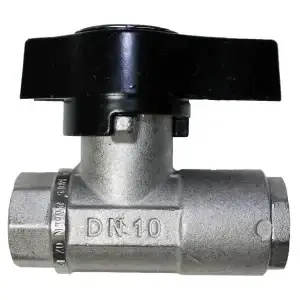
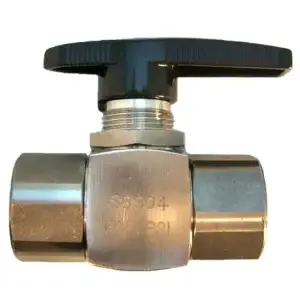
304 Stainless Steel Ball Valve 6000 PSI
From $64.47 -
-
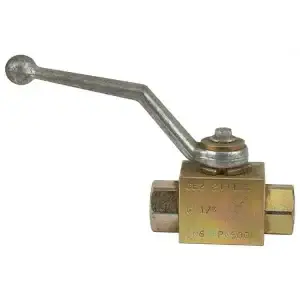
Plated Steel Ball Valve 7000 PSI
From $47.47 -

-

-
-
-
2-Step Gun
$419.97 -
-

-
-
-
-
Showing 1–20 of 567 resultsSorted by popularity

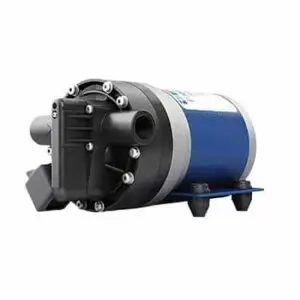
Always replace a pump with one that matches your machine’s flow (GPM), pressure (PSI), speed (RPM), shaft type/size, and drive configuration. Mismatching components can cause overheating, seal failure, or over‑pressure hazards. Verify ratings on the pump data plate and downstream accessories before use.
When upgrading, keep GPM and PSI close to your original spec unless the engine, hoses, gun, and unloader are all rated for a higher load.
Rebuildable, service‑friendly design favored by professional users. Typically offers longer service life, stable pressure, and parts availability.
Best for: Commercial cleaning, frequent use, and upgrade paths.
Compact and budget‑minded. Common on residential or light‑duty units. Limited rebuild options and typically shorter lifespan than triplex.
Best for: Light‑duty or occasional cleaning where compact size matters.
Compact and cost‑effective. The pump couples directly to the engine shaft and usually runs at higher RPM. Great for mobile units where footprint matters.
Consider: Adequate cooling airflow and precise shaft/bolt pattern matching.
Runs the pump at lower RPM with a belt and pulleys, which can reduce heat and vibration and support longer duty cycles.
Consider: More space required and periodic belt inspection/tensioning.
Compact alternative to belts for lowering pump RPM while using a small‑frame engine.
Consider: Match the gearbox ratio, mounting, and rotation to your setup.
Lets the pump disengage in bypass to reduce heat and wear during extended idle periods.
Consider: Correct clutch sizing and proper bypass plumbing to tank.
| Spec | What to match | Selection notes |
|---|---|---|
| Flow (GPM) | Match your target cleaning rate and nozzle size. | Higher GPM improves rinse speed; verify the water supply can keep up. |
| Pressure (PSI) | Stay within the ratings of pump and accessories. | Do not exceed the lowest‑rated component in the system. |
| Power | Confirm engine/motor output for the load. | A common estimate is HP ≈ (PSI × GPM) ÷ 1100. Use as a guideline and verify against actual equipment ratings. |
| Speed (RPM) | Match pump design speed and drive ratio. | Direct drive commonly runs higher RPM; belt/gear reduction often lowers RPM for longevity. |
| Shaft & Mount | Exact shaft size/type and bolt pattern. | Common solid keyed sizes are 3/4 in and 1 in; some pumps use hollow shafts that slide onto the engine. |
| Inlet Conditions | Water temperature, filtration, and hose size. | Respect max inlet temp; use adequate hose ID and a filter to prevent cavitation. |
| Unloader & Bypass | Built‑in vs. external unloader style. | External bypass to tank with a thermal relief valve helps control heat during idle. |
Most performance issues trace back to water supply limits, air leaks, or restriction on the inlet side. Start diagnosis there before adjusting the unloader.
Move from direct drive to a belt‑driven triplex for cooler running and serviceability on long duty cycles.
Check: Frame space, pulley alignment, and guard provisions.
Select a higher‑GPM triplex (with proper nozzle and unloader) for faster rinsing if your engine has the required horsepower.
Check: Water supply, tank size, and hose ID.
Replace an axial unit with a direct‑drive triplex to gain rebuildability and steadier pressure in a similar footprint.
Check: Shaft/mount compatibility and RPM.
Choose a pump rated for elevated inlet temps and appropriate seal kits when feeding from warm water sources.
Check: Temperature ratings for pump, hoses, and seals.
Our team can verify shaft size, RPM, drive style, and plumbing so your new pump bolts up and performs the way you expect.