Quick Couplers & O-Rings: Selection and Maintenance Guide
Whats in this category?
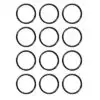
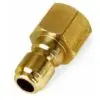
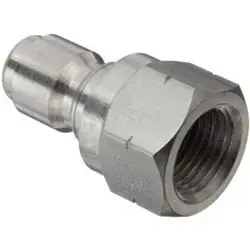
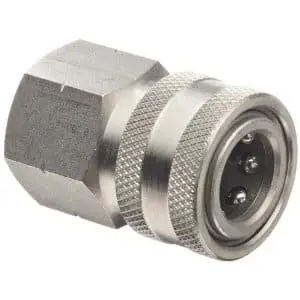
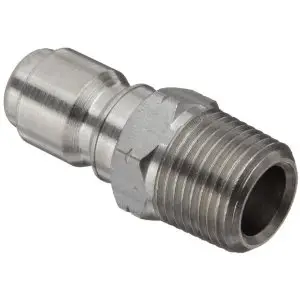
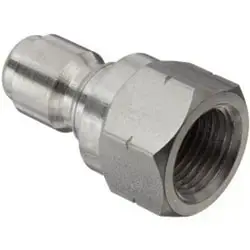
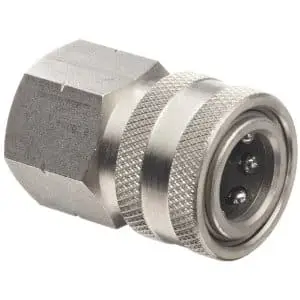
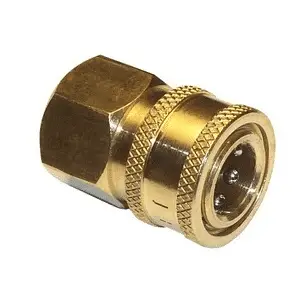
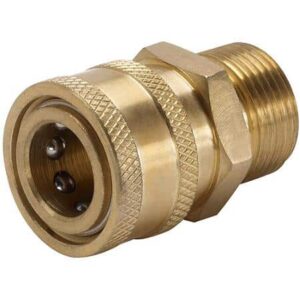
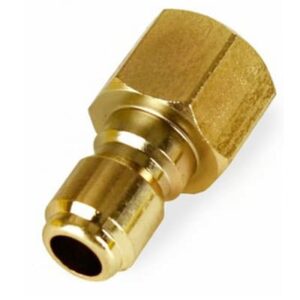
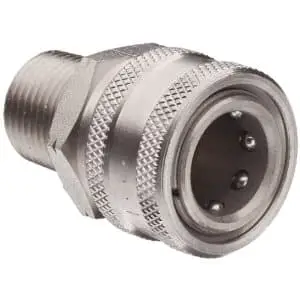
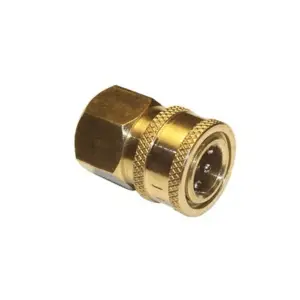
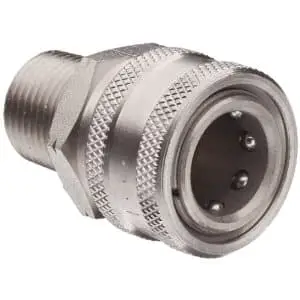
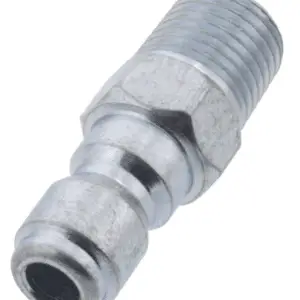
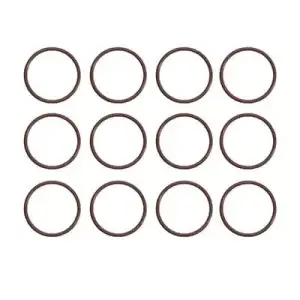
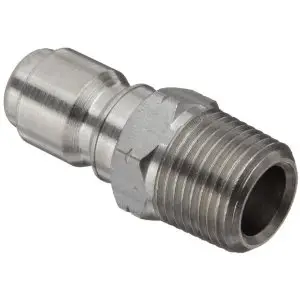
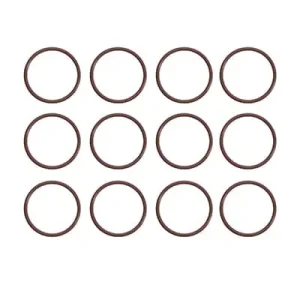
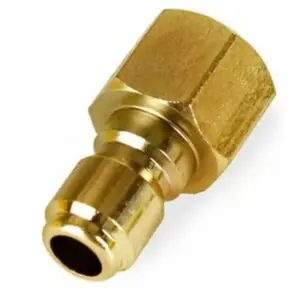
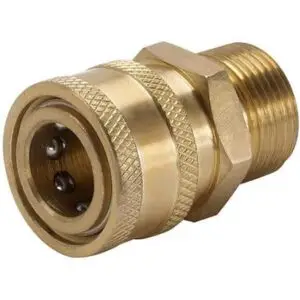
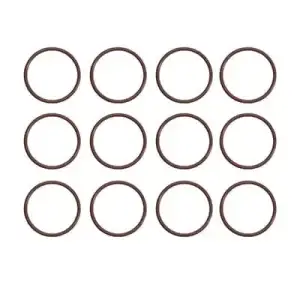
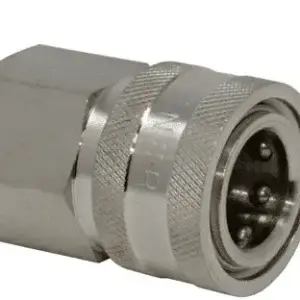
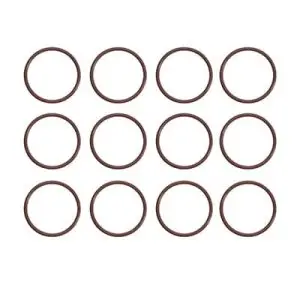
Quick couplers include two halvesa spring-loaded socket and a mating plugthat snap together to connect high-pressure lines and accessories. O-rings provide the fluid seal inside the connection. Here youll find common sizes for professional and DIY pressure-washing setups along with replacement O-rings.
How to choose the right quick coupler
1) Size & Thread
- Common quick-connect sizes: 1/4″, 3/8″, and 1/2″.
- Match thread type on the threaded end (e.g., NPT or BSP). Do not mix thread families.
- Keep adapters to a minimum to reduce restriction and potential leak points.
2) Body Material
- Brass: corrosion-resistant and economical for general water use.
- Stainless steel: best for harsher environments, higher pressures, or frequent connects/disconnects.
- Plated steel: durable; protect from prolonged moisture to limit surface corrosion.
3) Seal Material
- NBR (Buna-N): go-to for general water and detergents.
- FKM (Viton4): handles higher temperatures and oils.
- EPDM: preferred around strong alkalis/bleach; avoid with oils/fuels.
4) Pressure & Flow
- Select couplers with a working-pressure rating at or above your machines max.
- Size for flow: 3/8″ serves many pro hose runs; 1/2″ is used on higher-flow rigs.
- Use full-flow components on long hose sets to minimize pressure drop.
Keep a small kit of spare O-rings and a silicone-based lubricant in the truck. A 30-second O-ring swap can stop most drip leaks at the coupler.
O-Ring selection at a glance
| Seal material |
Typical temperature capability |
Water/Detergents |
Oils/Fuels |
Bleach/Strong Alkali |
Notes |
| NBR (Buna-N) |
Approx. -406F to 2506F |
Good |
Good |
Poor |
Common, economical general-purpose choice. |
| FKM (Viton4) |
Approx. -156F to 4006F |
Good |
Excellent |
Poor to Fair |
Favored for hot water and oily environments. |
| EPDM |
Approx. -656F to 3006F |
Good |
Poor |
Good |
Often used around sodium hypochlorite and alkaline cleaners. |
Always validate temperature and chemical compatibility for your exact compound and mix strength before service.
Thread identification quick check
- Confirm whether your system uses NPT (tapered) or BSP (parallel or tapered). Threads are not interchangeable.
- Measure and record the nominal size and count turns-per-inch (or pitch) with a gauge when possible.
- When in doubt, bring an existing fitting or plug to match your new coupler.
Troubleshooting common leaks
- Drip at the socket: O-ring flattened, cut, or missing replace and lubricate lightly.
- Leaks only under load: Worn plug nose or mismatched size replace the plug and confirm size.
- Cant fully seat: Debris in socket or locking balls corroded clean or replace socket.
- Thread seepage: Wrong thread family or damaged threads re-match with correct NPT/BSP component.
Always shut down and relieve system pressure before connecting or disconnecting quick couplers. Wear eye protection and gloves when servicing high-pressure lines.
Where these sizes are commonly used
| Quick-connect size |
Typical placement |
Why choose it |
| 1/4″ |
Wand tips, small accessories |
Fast swaps of nozzles and small tools with low restriction. |
| 3/8″ |
Hose-to-gun, hose-to-pump |
Balances flow capacity and handling on most pro rigs. |
| 1/2″ |
Higher-flow skids and long hose runs |
Reduces pressure drop on high-GPM systems. |
Need help matching a coupler or O-ring?
Our team can confirm size, thread, and seal material for your exact washer, hose, and chemicalsand recommend upgrades that reduce leaks and downtime.
Talk to an Equipment Specialist