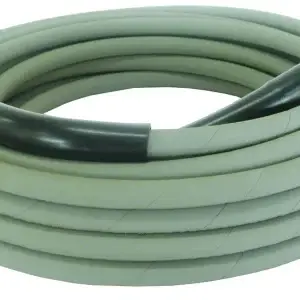
Non‑Marking Pressure Washer Hoses: Buyer’s Guide
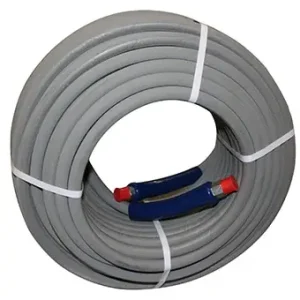
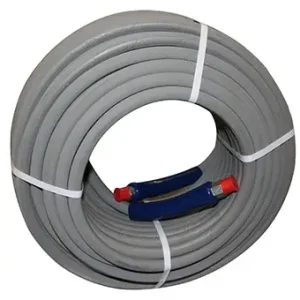
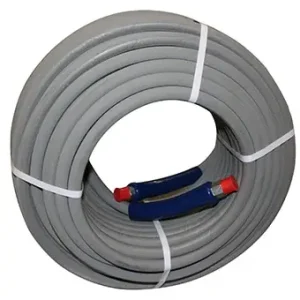
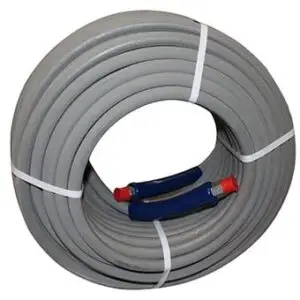
“Non‑marking” refers to the outer cover. It helps reduce scuffs and streaks on surfaces during use; it does not change the hose’s pressure, flow, or temperature capabilities. Always confirm specs on each product page.
How to choose a non‑marking hose
1) Diameter and flow
Match hose diameter to your machine’s flow needs and handling preferences. Many pros use 3/8-inch for general washing; 1/4-inch can feel lighter for small machines and shorter runs; 1/2-inch is sometimes used on high‑flow trailer rigs or very long runs. Choose the size that supports your setup without unnecessary weight.
2) Construction and durability
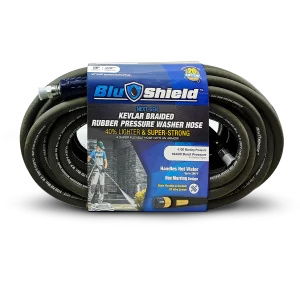
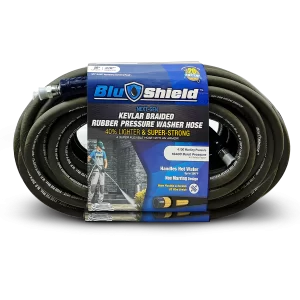
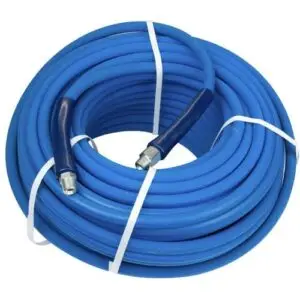
Hoses are built with different reinforcements. Single‑wire and double‑wire steel braids emphasize durability for demanding work. Aramid (Kevlar‑type) reinforced rubber aims to combine strength with lower weight and excellent flexibility. Look for bend restrictors and abrasion‑resistant, non‑marking covers to extend service life.
3) Temperature and chemical compatibility
Verify the maximum working temperature (cold‑water vs. hot‑water rated) and ensure the tube and cover are compatible with any cleaners you plan to run. A non‑marking cover does not automatically mean chemical‑proof—always check the product’s stated limits.
4) Ends and connections
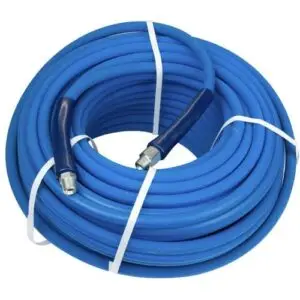
Confirm the fittings on your pump, hose reel, and gun. Common connections include 3/8-inch quick‑connects, 3/8-inch NPT, and M22 threaded ends. Swivel ends can reduce coil‑up and kinking at the gun. Use proper adapters if you’re mixing connection styles.
Quick compatibility checklist
- Choose a hose with working pressure and temperature ratings that meet or exceed your machine’s maximums.
- Select a diameter that supports your flow needs without adding unnecessary weight or restriction.
- Verify connection types on your pump, reel, and gun (QC, NPT, or M22) and add adapters only as needed.
- Confirm the hose’s cover is labeled non‑marking for work on finished concrete, pavers, vehicles, and siding.
- Inspect for bend restrictors, abrasion resistance, and swivel options to improve handling and longevity.
Why choose a non‑marking cover?
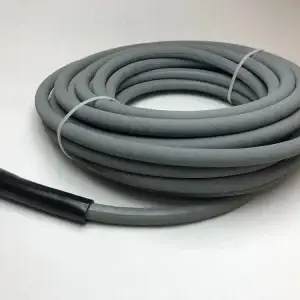
Non‑marking covers are formulated to minimize the dark transfer and scuffs that standard black covers can leave on light‑colored and finished surfaces. They are a popular choice for property maintenance, fleet washing, storefronts, interiors, and any application where appearance matters.
| Feature |
What to check before buying |
| Working pressure |
Hose rating should meet or exceed your washer’s maximum pressure. |
| Max temperature |
Confirm hot‑water suitability if you run a burner; otherwise choose a cold‑water hose. |
| Cover type |
Look for non‑marking (often gray or light‑colored) to help reduce visible scuffing. |
| Reinforcement |
Steel‑wire or aramid reinforcements balance stiffness, weight, and durability—pick for your workflow. |
| Ends & adapters |
Match QC, NPT, or M22 threads across pump, reel, and gun; add swivels if desired. |
| Handling features |
Bend restrictors and smooth covers improve coil‑up, unspooling, and abrasion resistance. |
Learn more from the PowerWash.com team
Need help choosing the right non‑marking hose?
Tell us about your machine, water temperature, desired length, and connection types. We’ll recommend a hose that balances performance, handling, and longevity for your work.
Talk to an Equipment Specialist