
Garden Hose
Brand
Price
- (8)
- (4)
Showing all 12 resultsSorted by popularity
-
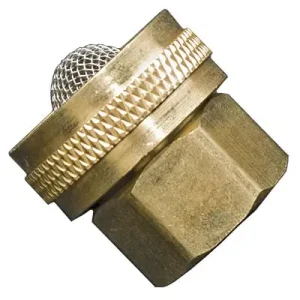
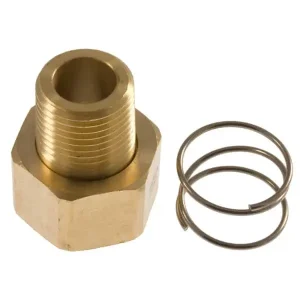
Garden Hose Swivel 1/2″
$5.97 -
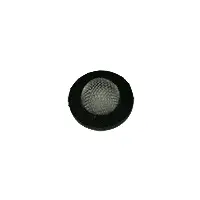
Hose Washer
$1.47 -
-
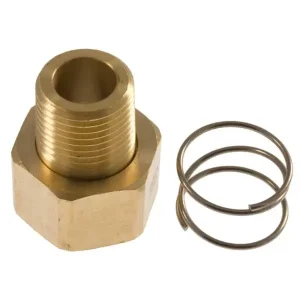
-

-

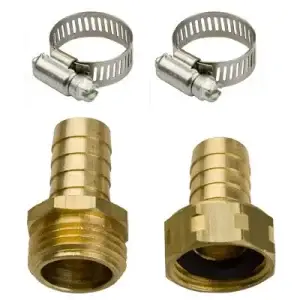
Garden Hose Repair Kit
From $34.42 -
-
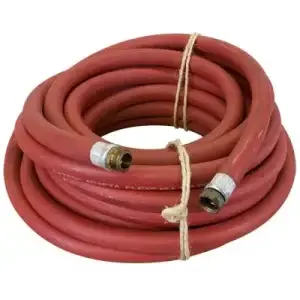
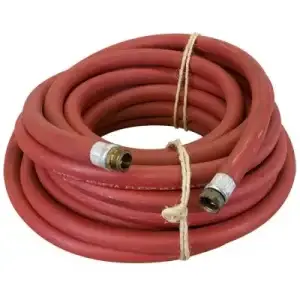
1″ Heavy Duty Red Supply Hose
From $149.00 -
-
3/4″ Heavy Duty Red Supply Hose
From $188.97 -
-

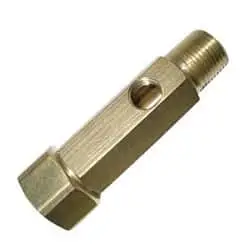
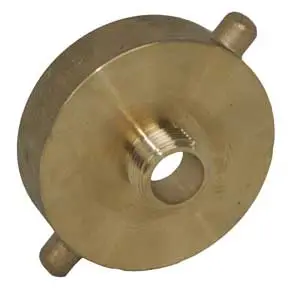
Fire Plug Adapter
$113.47
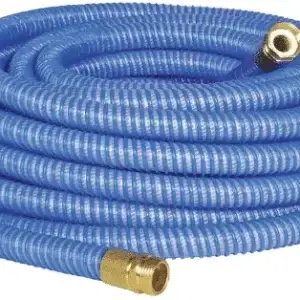
How to Choose a Garden Hose for Your Pressure Washer
Quick picks
5/8 in. Supply Hose
Balanced choice for most portable and prosumer washers where runs are short and weight matters.
- Good handling and lighter pull across lawns and drives
- Meets many manuals’ minimum inlet hose I.D. requirements
- Best for machines up to mid‑range flow when runs are under ~100 ft
3/4 in. Supply Hose
Maximizes inlet flow with less restriction—ideal for higher‑GPM units, long runs, or gravity/tank feeds.
- Helps reduce starvation and inlet cavitation on bigger pumps
- Preferred for runs over ~100 ft or when elevation losses add up
- Pairs well with high‑flow spigots and bulkhead tank fittings
Choose your build
Rubber
Durable jacket for jobsite abrasion and curb rubs. Heavier than synthetics but long‑wearing.
- Strong kink recovery
- Good cold‑weather flexibility vs. basic PVC
Hybrid Polymer
Lightweight, flexible, and easy to coil—great for mobile crews and frequent setup/tear‑down.
- Low memory; lays flat
- Comfortable handling across seasons
Polyurethane/TPU
Tough, slick cover that slides over surfaces and resists snagging; higher abrasion resistance for commercial use.
- Low drag across concrete and turf
- Excellent cut/tear resistance for its weight
Commercial PVC
Budget‑friendly choice for occasional use and light duty. Stiffer feel than rubber or hybrids.
- Cost‑effective for backups
- Best on warmer days to ease coiling
Sizing and connection essentials
- Supply flow must meet or exceed the washer’s rated GPM. If pressure or flow is marginal, step up to 3/4 in. hose and keep runs short.
- Most outdoor faucets and garden hoses in the U.S. use 3/4″ Garden Hose Thread (GHT), a straight thread sealed by a flat washer.
- Many pressure washer manuals specify a minimum 5/8″ I.D. supply hose; verify your model’s requirements.
- Do not confuse the low‑pressure inlet (garden hose) with the high‑pressure outlet. Never place a garden hose on the outlet side.
Quick source check: Fill a 5‑gallon bucket from the spigot and time it. 5 gallons in 60 seconds equals 5 GPM. If your washer is rated near that number, use a short 3/4 in. hose and full‑open valves to reduce restriction.
Feed temperature matters. Many washers require cold water only; if yours allows warm intake, use a hose rated for the temperature you plan to run and never exceed the machine’s inlet spec.
Common threads and where you’ll see them
| Name | Standard | Seals By | Typical Location |
|---|---|---|---|
| GHT (Garden Hose) | 3/4″-11.5 NH, straight thread | Flat washer | Spigots, Y‑splitters, garden hoses, many inlet adapters |
| NPT (Pipe Thread) | Tapered thread (e.g., 1/2″ or 3/4″ NPT) | Thread sealant/tape | Pump inlet fittings, bulkhead/tank fittings, plumbing tees |
| Quick‑Connect (QC) | Various sizes | O‑ring face seal | Fast‑swap adapters and spigot couplers on feed lines |
| M22 (High‑Pressure) | M22‑14 or M22‑15 | O‑ring face seal | High‑pressure hose/gun/pump outlets — not for garden hoses |
Setup tips that prevent starvation
- Keep the supply hose as short and straight as practical; avoid tight coils, crushed points, and undersized Y‑splitters.
- Fully open upstream valves and remove restrictive nozzles, timers, or filters not rated for your flow.
- Use a clean inlet strainer at the pump; check it often when pulling from tanks or dirty sources.
- For tank/gravity feed rigs, use 3/4 in. or larger plumbing with smooth‑radius fittings from tank to pump inlet.
Keep learning
Need help matching a garden hose to your washer?
Our team can recommend the right diameter, material, and fittings for your machine, spigot, or tank setup.